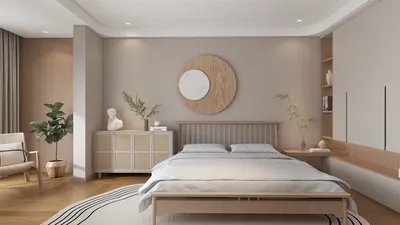


In my experience working on residential projects, I've designed more utility rooms than any other type of space, and the drying room's design hinges on effective airflow, temperature control, and workflow layout, all of which significantly impact daily routines. Whether you have a small corner or a designated room, the objective remains the same: expedite drying, safeguard fabrics, and prevent humidity from affecting the rest of your home. Using tools like Homestyler can aid in visualizing these spaces for optimal design.
The effectiveness of drying clothes hinges on factors such as air exchange rates, temperature management, and moisture extraction. The WELL v2 standard recommends keeping indoor relative humidity between 30% to 60% to ensure respiratory comfort and mitigate mold growth, which aligns seamlessly with the design of a well-ventilated drying room, as suggested by the WELL v2 Air concept. Research from Steelcase has shown that maintaining a thermal comfort zone enhances productivity; similarly, in home settings, keeping temperatures stable between 68°F to 72°F (20°C to 22°C) with consistent airflow aids in drying garments efficiently while avoiding overheating, emphasizing the importance of a well-planned area as explored in platforms like Homestyler.
Lighting is more crucial than many might assume. According to the Illuminating Engineering Society, targeting 300 to 500 lux for utility tasks ensures visibility for reading fabric care labels, sorting colors, and detecting moisture in heavier textiles. For accurate color decisions—particularly with natural fibers prone to yellowing under poor light—insights from Verywell Mind highlight that neutral, high-CRI lighting supports true color perception, preventing distortion of whites and delicate fabrics. Using Homestyler can help visualize different lighting setups that maintain this balance.
Optimize Your Layout for Airflow and Workflow
Successful drying rooms begin with a strategic flow: wet clothes enter near the washer, move through a designated drip zone, advance to hanging or flat-drying areas, and conclude at a folding station located away from sources of humidity. When space is limited or you’re reimagining a corridor utility space, employing design tools like Homestyler can assist in mapping out efficient circulation paths, accounting for ceiling height for racks, and ensuring safe distances from appliances.
Ventilation: Your Key to Efficient Drying
Consider ventilation as your unseen ally in drying clothes. I typically aim for continuous air extraction within the range of 6 to 10 air changes per hour for smaller spaces, complemented by a dedicated path for makeup air. Utilizing a quiet inline fan equipped with a humidity sensor minimizes energy usage. Make sure that the exhaust paths are short and streamlined; maintaining lint traps and performing regular duct cleaning enhances efficiency. In passive systems, the stack effect can be harnessed with exhaust vents located high and intake grilles lower to facilitate the inflow of fresh air along hanging garments.
Temperature and Humidity Regulation
Clothes will dry quicker in warmer conditions, but excessive heat can damage fibers and elevate humidity levels. Implementing a compact radiant panel or a low-watt baseboard heater can moderately increase room temperature without overwhelming the space. Dehumidifiers tailored to the room's cubic volume (typically producing 30 to 50 pints per day for smaller rooms) effectively manage humidity—aim for a relative humidity of 40% to 55% while drying. Position the dehumidifier near the area with the most moisture, ensuring good airflow around it.
Hanging, Racking, and Flat-Drying Areas
Incorporate a combination of hanging bars for shirts and pants, accordion racks for space-efficient drying, and perforated or mesh flat-dry surfaces for knits. It's important to maintain a gap of 2 to 3 inches between garments to allow airflow. I prefer using stainless steel bars and powder-coated racks as they withstand corrosion in moist environments and won't transfer colors. Make sure that wall anchors can support dynamic loads—wet fabrics can be heavier than expected. A retractable pulley rack above a drip tray can help keep walking paths clear.
Flooring and Wall Treatments
Choosing moisture-resistant flooring is essential. Options such as luxury vinyl tiles or sheets, sealed concrete, and epoxy-coated floors can manage drips and occasional puddles. If the structure supports it, consider installing a shallow threshold in splash areas that slopes towards a drain. For walls, opt for semi-gloss and mildew-resistant paint; using washable surfaces and reducing dust-collecting textures is advisable. In high-echo environments, adding a washable textile wall panel can mitigate sound without compromising practicality.
Lighting: Achieving Clarity Without Glare
Strive for an overall brightness of 300 to 500 lux, with specific task lighting in areas designated for folding. Select LED fixtures with a CRI of 90+ to ensure accurate color representation. A color temperature between 3500K and 4000K achieves a neutral feel; avoid bare bulbs near reflective surfaces—utilize diffusers or prismatic lenses to minimize glare. While motion sensors may be beneficial, incorporate a manual override to prevent lights from turning off unexpectedly during sorting.
Noise Control and Acoustic Comfort
Dryers and dehumidifiers typically produce low-frequency sound; installing resilient underlayment, anti-vibration pads, and sealing doors with perimeter gaskets can minimize sound transfer to adjacent areas. If your drying room is located near sleeping quarters, consider reinforcing walls with additional mass to mitigate noise transfer and, if possible, position mechanical systems away from shared walls.
User-Centric Design Considerations
Set hanging rods between a height of 56 to 66 inches based on user height; keeping the top reach within 72 inches for most adults will help avoid shoulder strain. Folding surfaces should be between 34 and 36 inches high to alleviate back strain. Provide a stool for those long sorting sessions. Store laundry products within shoulder to hip height, reserving lower spaces for heavier items. It’s also vital to maintain 30 to 36 inches of clearance in front of machines and racks for safe movement.
Eco-Friendly Choices and Upkeep
Select ENERGY STAR appliances whenever feasible. Utilizing a heat pump dryer can minimize exhaust emissions and humidity, while air-drying with racks is completely energy-efficient. Opt for low-VOC paints and plywood that’s free of formaldehyde to enhance indoor air quality. Designate storage spots for a lint bin, mesh washing bags, and repair kits; regular cleaning of racks and quarterly checks on vents ensure optimal performance.
Maximizing Small Spaces
In apartment settings, creativity is key: consider ceiling-mounted racks, over-door bars, and foldable wall tables. A compact dehumidifier alongside an inline fan can transform an enclosed alcove into a drying efficiency hub. Using mirrored panels can create the illusion of spaciousness, while light, neutral colors can keep the area bright. Incorporate a slim pull-out cart between appliances for easy access to pegs, clips, and fabric care supplies.
Safety Measures and Moisture Management
Install water leak sensors near supply connections and the drip zone, and utilize GFCI outlets. Maintain a safe distance from heat sources and avoid inadvertently draping items over heaters. If a drain pan is integrated beneath the washer, use it to lead water towards a floor drain or add an automatic shutoff valve to protect adjacent spaces from potential leaks.
The Impact of Color Psychology on Mood
Utility areas thrive with calming, neutral color schemes. Soft grays and muted blues foster focus, whereas intense colors can be overwhelming during sorting tasks. Reserve brighter colors for bins and labels to maintain order. Adequate lighting with a CRI of 90+ helps preserve the true colors of fabrics, reducing sorting errors and alleviating small frustrations that can accumulate, especially during tight schedules.
Essential Priorities Checklist
- Ventilation goals: Ensure stable extraction and clear pathways for makeup air.
- Humidity management: Aim for 40% to 55% during drying cycles.
- Lighting guidelines: 300 to 500 lux, CRI of 90+, and color temperatures of 3500 to 4000K.
- Layout considerations: Dedicated spaces for dripping, hanging, flat-drying, and folding, along with safe clearances.
- Material selection: Favor moisture-resistant, washable, and low-VOC options.
- Ergonomic adaptations: Ensure hanging rails are reachable, work heights are comfortable, and anti-fatigue designs are incorporated.
- Safety measures: Implement leak detection systems, GFCI outlets, proper lint management, and appliance distances.
Frequently Asked Questions
For compact spaces, aim for approximately 6 to 10 air exchanges per hour, utilizing dedicated exhaust and makeup air systems. A humidity-sensing fan ensures automatic efficiency, making drying quicker and easier with tools like Homestyler for planning.
Heat pump dryers are gentler on fabrics and do not need exterior venting, minimizing the humidity that can seep into the home. Vented dryers offer faster drying times but require well-sealed ductwork and routine cleanings.
Ensure ambient light levels are between 300 to 500 lux, with a CRI of 90+ and LED lights at a color temperature of 3500 to 4000K. Incorporate task lighting above folding and label-reading stations to prevent eye strain during sorting tasks.
Keep relative humidity between 30% and 60%, ideally maintaining it at 40% to 55% while drying, and ensure there's continuous airflow. Use washable finishes for easy maintenance, and promptly address any leaks while scheduling regular lint cleanings.
Most households benefit from hanging rods set between 56 to 66 inches high. Aim to keep the highest reach under 72 inches to avoid shoulder strain; consider adding a lower rail for children's items.
Yes. Combine mechanical ventilation with makeup air, a compact dehumidifier, and high-CRI lighting solutions. Bright finishes and mirrored elements help maintain a feeling of openness while maximizing the utilization of space in designs possible with Homestyler.
To combat noise from dryers and dehumidifiers, use anti-vibration pads and resilient underlayment. If the drying room is adjacent to sleeping areas, consider increasing wall mass or repositioning mechanicals away from shared walls to minimize sound transfer.
Opt for moisture-resistant flooring such as luxury vinyl, sealed concrete, or epoxy finishes; utilize stainless or powder-coated drying racks; and carry semi-gloss mildew-resistant paint for wall treatments. Avoid using raw MDF or unsealed particleboard materials, which are less durable in humid environments.
Definitely—given adequate ventilation and dehumidification measures. Maintain 2 to 3 inches of space between garments and opt for mesh shelves to allow air circulation, effectively enabling drying and freshness.
A drain isn’t always necessary, but it's advisable near washers or in high-drip areas. For spaces without drains, use a shallow threshold, a water catch pan, and a system of leak detection sensors to mitigate risks.
When selecting colors, opt for neutral, low-saturation shades that promote visual clarity. Incorporate splashes of color through bins or labels for organization; pairing with high-CRI lighting ensures true whites and avoids color distortion.
Regularly inspect lint traps post-cycle, clean ducts on a quarterly basis, and service dehumidifiers semi-annually. Consistent upkeep boosts drying efficiency and contributes to safer operation overall.



Homestyler is your go-to online platform for home design! With an intuitive design tool, amazing 3D rendering capabilities, and a wealth of DIY video tutorials, you can effortlessly create stunning interiors and bring your design dreams to life. Start transforming your space today!
Design jetzt kostenlos
































