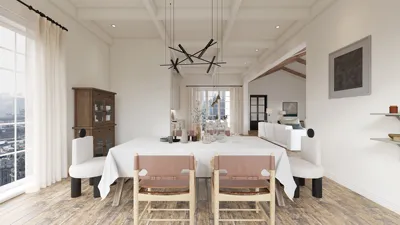


I have utilized window tinting for residential and small office spaces to mitigate glare, heat gain, and enhance privacy without compromising on natural daylight. When applied effectively, window film can transform the ambiance of a room in just a few hours, leading to softer light, cooler surfaces, and a more serene visual experience.
Natural light is essential in our spaces, yet direct sunlight can be overpowering. The Illuminating Engineering Society suggests that optimal luminance for most areas in the home should be between 300 and 500 lux, while unshaded south-facing rooms can often exceed 2,000 lux during peak hours, leading to haze and visual fatigue. The WELL v2 standard emphasizes glare control and thermal comfort; indeed, occupants exposed to excessive glare often experience higher levels of eyestrain and diminished satisfaction. A well-balanced tint can help maintain target illumination levels and reduce uncomfortable contrast variations. Typically, I aim for visual tasks illuminated around 350–450 lux while seeking a comfortable perceived color temperature between 4000–5000K from a mixture of daylight and ambient lighting sources.
Comfort also relates to behavior. Research from Steelcase indicates that employees spend roughly 55% of their time engaged in focused tasks where visual comfort is crucial for performance. Additionally, studies conducted by Herman Miller link reduced glare and consistent luminance to fewer interruptions and better posture—less tendency to lean or squint toward screens. These insights highlight the importance of integrating tint into a comprehensive lighting strategy rather than merely applying a dark covering over windows.
Evaluate Your Space: Objectives, Orientation, and Functionality
Before selecting your film, assess the sun's trajectory and the functions of each room. East-facing windows create morning glare, while western exposures accumulate heat in the late afternoon. South-facing areas offer the brightest and hottest conditions, while north-facing windows provide softer light, often suitable for lighter tints. Align these patterns with activities: areas designated for reading, home offices, playrooms, and kitchens benefit from regulated brightness, while living spaces may favor mild privacy while preserving the view.
Consider the visual ratios in your environment. Screens operate optimally when the brightness of the window is within an acceptable range of the screen’s brightness; having a bright window positioned directly behind a monitor can lead to harsh contrasts and eye strain. For desk setups, minimize window glare by reducing its visibility from the direct line of sight, complemented by adjustable task lighting around 4000K to uphold color accuracy.
Selecting the Appropriate Film Type
Various films fulfill different purposes:
Choose your visible light transmission (VLT) based on the intended use. In versatile living spaces, a VLT of 35–50% allows for maintained views while controlling glare. For a bright home office, a VLT of 50–70% ceramic film helps regulate brightness without dimming too much. Always check the manufacturer's specifications regarding solar heat gain and UV protection; many high-quality films can block up to 99% of UV radiation, assisting in preserving your furnishings.
Design Your Layout and Cutting List
Accurately measure glass dimensions—including gaskets and account for frames that may not be perfectly square. Create a cutting list that includes 1–2 cm extra for trimming. If you have multi-panel windows, plan seams at the mullions to ensure there are no visible overlaps. If testing for glare or privacy outcomes, begin with one panel to observe light conditions throughout the day. For intricate bay windows or corner glass, utilizing a room layout tool such as Homestyler can help visualize sightlines, brightness variations, and where to arrange furniture for screens and reading areas.
Surface Preparation: Clean, Dust, and De-static
Proper surface preparation is vital for clarity. Remove any blinds and wipe down frames. Use a mild soap and water solution in a spray bottle along with a lint-free squeegee to thoroughly clean the glass. Carefully use a razor to remove any paint specks at a shallow angle, then wipe again. Dust along the edges is a common cause of bubbles; using a microfiber cloth wrapped around a flat card can help you clean the edge lines effectively. Lightly mist the room to reduce airborne dust particles.
DIY Application: Step-by-Step Guide
Gather the necessary tools, including a spray bottle with soapy solution, a soft-edged squeegee, a utility knife with replaceable blades, a hard card, microfiber towels, and a fine mist bottle.
Allow the film to cure. Depending on humidity and sunlight exposure, minor haze or micro-bubbles typically dissipate within a week to ten days. It's important to avoid intense cleaning during this timeframe.
Light, Color, and Visual Comfort
Window films can subtly alter perceived color temperature and contrast. Reflective films may make cooler daylight feel harsher; balancing this with warm ambient lighting (around 2700–3000K) in the evening can enhance the smoothness of circadian signals. Insights from Verywell Mind on color psychology suggest that soft, muted palettes combined with warm lighting can help cultivate a sense of calm—consider this when designing living rooms and bedrooms. In work areas, neutral lighting around 4000K sustains crisp whites without a bluish tint.
Acoustics, Materials, and Thermal Management
While window film does not absorb sound, enhanced thermal stability can lead to reduced HVAC operating cycles and less noise variation. Ceramic films that reduce infrared radiation can lower temperatures near windows, enhancing seating comfort. To improve acoustic absorption and nighttime privacy, combine tinting with thick curtains or cellular shades. Consider using sustainable materials with low-VOC adhesives to improve indoor air quality; the WELL v2 standard emphasizes the importance of emissions and air circulation—always select reputable brands and ensure proper ventilation during application.
Privacy with an Unobstructed View
In living rooms that face the street, moderately reflective or dual-reflective films can provide daytime privacy while maintaining outward visibility. Be mindful of nighttime conditions: when indoor lighting outshines what's outside, privacy is significantly diminished. Pair window tint with layered sheers or roller shades for greater control post-sunset.
Maintenance and Care
Use non-ammonia-based cleaners and soft cloths for maintenance. Avoid using abrasive pads that could damage the film. Regularly check the edges for any signs of lifting; a gentle re-squeegee can help reseat minor separations. If any panel becomes damaged, replacing it is straightforward—warm the film, peel it back carefully, clean off any adhesive residue, and reapply again smoothly.
When to Seek Professional Help
For large panes, high windows, or tempered/low-E coated glass, specialized films and methods may be required. Professional installers can measure emissivity and recommend suitable films to prevent thermal stress. If skylights are involved, consider using exterior films or shades to manage intense solar gain.
Design Strategies That Enhance Results
Coordinate your tint selection with your interior finishes. Cool-gray ceramic films complement natural oak and matte black fixtures to create a harmonious, tranquil palette. In kitchens, maintain a higher VLT near preparation areas to ensure food color accuracy. In reading nooks, incorporate a dimmable floor lamp with a wide shade to gently diffuse light. If glare persists in a workspace, consider rotating the desk to lessen direct alignment with the window and utilize an interior layout planner like Homestyler to simulate sightlines and ambient light diffusion.
For comprehensive guidelines and research regarding comfort and glare reduction, refer to the WELL v2 features and the recommended illuminance levels set by the Illuminating Engineering Society.
FAQs
Q1: How dark should my film be for my home office?
A: Opt for a ceramic film with VLT between 50–70% to minimize glare while keeping task brightness around 350–450 lux, supplemented with ambient lighting.
Q2: Will tinting make my rooms feel cold or bluish?
A: Reflective films can lean cooler; balancing them with 2700–3000K lighting and warm materials can counter this. Ceramic films generally maintain neutral color fidelity.
Q3: Can window tinting help lower energy bills?
A: Yes, films that block infrared radiation can significantly reduce solar heat gain, thus easing cooling demands. However, the results depend on climate, window direction, and VLT—users can expect improvements in comfort close to windows.
Q4: Is DIY safe for low-E glass?
A: Only when using films that are rated compatible with low-E glass. For sensitive situations, it's advisable to consult a professional to avoid thermal stress or warranty complications.
Q5: What is the lifespan of film?
A: Quality films often come with multi-year warranties and can last well beyond 10 years, especially ceramic types with durable coatings.
Q6: What about privacy during nighttime?
A: The daytime privacy provided by reflective films typically diminishes at night when indoor lights are brighter. For full control, combine tinting with sheers or shades.
Q7: Can window tint reduce UV fading?
A: Many films provide up to 99% UV blockage, which can slow the fading of floors, artwork, and other textiles. Always verify specifications with the manufacturer.
Q8: How can I prevent bubbles during application?
A: Careful cleaning, generous slip solution, new blades for trimming, and thorough edge detailing with microfiber cloths are crucial. Minor haze usually resolves during the 7–10 day curing period.
Q9: Will tint affect my plants?
A: Plants that thrive on light might benefit from a higher VLT (60–70%). Position them near north or east-facing windows and monitor their growth, adjusting with supplemental lighting if necessary.
Q10: Is it possible to tint only part of a window?
A: Yes, you can use partial frosted or gradient films to manage glare while still enjoying the view. Make sure to align seams at mullions for the cleanest finish.
Discover the magic of home design with Homestyler! This user-friendly platform offers an intuitive online design tool, stunning 3D renderings, and a wealth of inspiring design projects and DIY video tutorials. Transform your space effortlessly and unleash your creativity today!
Concevez maintenant gratuitement
































