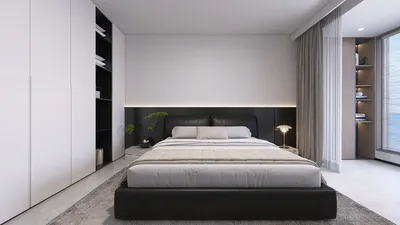


When I added a light pink lamp to a bachelor’s studio at a client’s request, hoping it would harmonize with his childhood blanket, we were both taken aback by how it transformed the ambiance of the space. I nearly lost my professional composure when he mentioned it felt like being embraced. Compact areas often have a unique ability to teach us lessons: a well-chosen petite lamp can drastically alter the mood, scale, and overall character of a room almost instantaneously. In this article, I will outline five effective, experience-based strategies to incorporate light pink lamps, ensuring compact spaces feel inviting, fashionable, and surprisingly spacious with the help of tools like Homestyler.
1. Enhance bedroom depth with a pink bedside lamp
Placing a light pink lamp on a floating bedside shelf can create immediate depth in a narrow bedroom. Based on my experience, the soft illumination brings the walls forward, visually expanding the space around the bed. However, caution is necessary as it might conflict with very cool-toned bedding, so pairing it with a warm throw or wooden elements can help achieve a balanced look.
save pin
2. Opt for translucent lamps for gentle ambient lighting
Translucent pink glass lamps diffuse light softly, making them ideal for diminutive living spaces where harsh overhead lighting may feel overwhelming. I once replaced a floor lamp in a 28 sqm apartment with one, creating a layered glow without occupying floor space. Since they can be delicate, consider their placement to ensure safety, especially in homes with children.
save pin
3. Pair a pink desk lamp with reflective surfaces
A compact pink task lamp alongside a mirrored or glossy desk can not only enhance light but also amplify color, making a small home office appear brighter and more vibrant. In a recent renovation, I utilized a pale pink lamp set against a white lacquer desk to create a cheerful environment without crossing into overly sweet territory. Just be mindful of controlling screen glare by adjusting the lamp’s angle appropriately.
save pin
4. Utilize pink pendant clusters for added visual appeal
Hanging several small pink pendants above areas such as a dining nook or kitchen island can introduce sculptural beauty and draw the eye upward, which can make a cramped area appear taller. I recall a client who desired vibrant color but with minimal intrusion — using pendants achieved that perfectly. Although the installation might be more expensive than a single fixture, the vertical impact is well worth it in restricted spaces.
save pin
5. Use portable pink lamps for adaptable zoning
Rechargeable light pink lamps have become my preferred choice for clients needing versatile lighting in multi-functional rooms. These lamps work wonderfully for creating temporary reading areas or providing soft background illumination during video calls. Do bear in mind considerations like battery life and brightness; occasionally, two lamps may be necessary for even light distribution.
save pin
Tips 1:
When selecting a shade of light pink, it’s vital to test it within the room at various times of day. The way morning sunlight interacts with evening artificial light can dramatically change the lamp’s appearance. For those interested in exploring products, utilizing the 3D visualization features available in tools like Homestyler can help you preview color selections and dimensions within your actual layout.
save pin
FAQ
Q1: Are light pink lamps applicable to all decor styles? A1: Certainly! However, the impact varies — a soft blush aligns well with Scandinavian and modern decor, while deep pinks complement eclectic or maximalist interiors. Match the lamp's finish with existing metal tones for a cohesive aesthetic.
Q2: What brightness should a bedside pink lamp have? A2: Aiming for around 200–400 lumens is ideal for both reading and creating atmosphere; dimmable features add greater flexibility.
Q3: Do pink lamps reduce the impression of space in small rooms? A3: Not always — warm pinks can enhance the perceived depth of a room when used thoughtfully as accents or layered light sources.
Q4: Which bulb color temperature best complements pink shades? A4: Warm white bulbs (2700K–3000K) amplify the warmth of pinks; it’s advisable to stay away from very cool temperatures that might dull the color's vibrancy.
Q5: Are there energy-efficient options for pink lamps? A5: Yes! LED bulbs and fixtures come in a variety of pink hues and are both energy-efficient and safe to touch.
Q6: Is it possible to mix light pink lamps with other colored lighting? A6: Absolutely! I frequently combine pink accent lamps with neutral ambient light to strike a balance and prevent visual clutter.
Q7: How can I visualize a pink lamp’s effect in my room? A7: Utilize a trustworthy room planner that supports 3D visualization to assess color and scale; tools like a 3D floor planner provide realistic previews.
Q8: Are there safety considerations for using translucent glass pink lamps? A8: Indeed, stable positioning is essential, and it’s wise to select tempered glass for households with pets or children; for rules on installation, consult safety standards from the International Electrotechnical Commission (IEC) or local electrical codes.
save pin
Looking to transform your living space? Homestyler is your go-to online home design platform! With its intuitive design tool, stunning 3D renderings, and inspiring DIY video tutorials, you can effortlessly create and visualize your dream home—perfect for both novices and seasoned designers!
Design jetzt kostenlos
































