

I consider the walls of study rooms as essential components that serve multiple purposes—acting as backdrops, storage spaces, and even sound buffers. When designed effectively, these elements enhance concentration and subtly boost mood. In my design projects, the most impactful strategies blend color psychology, lighting, acoustics, and ergonomics. Research backs this approach: Gensler’s U.S. Workplace Survey highlights that a focus-friendly environment is crucial for high performance, revealing a strong connection between quiet spaces and overall effectiveness. Similarly, the WELL v2 standard underscores that managing glare, providing appropriate lighting, and mitigating noise enhances cognitive performance (WELL v2 Light and Sound principles). These insights guide my meticulous planning for each wall.
Color plays a significant role beyond mere aesthetics—according to Verywell Mind, calmness and focus are often linked to shades of blue and green, while vibrant reds can increase arousal but distract from sustained attention. The Illuminating Engineering Society provides lighting guidelines that emphasize suitable illuminance levels and controlled luminance ratios to lessen eye strain. In study areas, I prioritize purpose-driven task lighting that feature adjustable intensity and matte surfaces to help manage reflections. The fusion of calming colors, optimized light levels, and non-reflective wall finishes creates a conducive environment for productivity.
When planning, I treat a wall as a tool to enhance productivity by establishing a systematic zoning approach: a visual focus plane, a storage plane, and an acoustic plane. Utilizing an interior layout planner, I often delineate these zones and refine them through iterations. Experiment with a layout simulation tool to swiftly analyze shelf depths, desk spaces, and sight lines effectively, much like the functionalities offered by the room design platform, Homestyler.
Establish a Color Strategy to Encourage Focus
I initiate my designs with a muted color palette. Shades like soft blue-gray, dusty green, or earthy tones help calm the eye and minimize visual distractions. For whites, I prefer warm-to-neutral tones (approximately 3000–4000K light appearance) to prevent glare from reflective paper surfaces. Bold colors should be reserved for smaller accents and strategic placements behind shelving, adding personality without overpowering the overall visual scheme. For a late-night productivity boost, a subtle band of terracotta or saffron around chair-rail height can enhance mood without overwhelming the space.
Matte and Low-Glare Surface Finishes
Shiny walls reflect light into your eyes or onto screens. I recommend applying matte or eggshell finishes on wall surfaces near the study desk and semi-matte on areas that require touch. Textured plasters, limewash, or flat paints effectively absorb reflections and soften contrasts, ensuring comfortable light levels during extended study periods. Pair these finishes with high-CRI task lighting to maintain clarity for reading and writing materials.
Magnetic Pin-Up and Planning Walls
Installing a magnetic pinboard wall adjacent to the desk promotes effective learning habits. I often use magnetic primer or large framed steel sheets wrapped in fabric for a softer appearance. Organizing the surface into sections—such as a calendar on top, inspirations at eye level, and quick notes at the edges—can enhance functionality. For learners who rely heavily on visual structures, I suggest adding a horizontal ‘story rail’ for index cards and flashcards. Ensure the background is a mid-tone to ease visual transition from paper to wall.
Glass Marker Boards or Writable Paint
For subjects that thrive on visual expression, such as math or coding, a glass marker board or low-ghosting writable paint transforms a wall into a brainstorming canvas. Opt for low-iron tempered glass for optimal clarity and robustness. If you choose paint, frame the writable area in thin wood or metal trim to clearly mark boundaries and prevent unintended smudging on adjacent finishes. Align task lighting to illuminate the surface uniformly while minimizing glare.
Acoustic Panels that also Serve as Art
Sound reverberation can disrupt concentration. Wrapping 1–2 inch acoustic panels in soft materials like wool felt or textured fabric transforms them into a modular art installation. I use a few panels in subdued accent colors to introduce visual rhythms while placing them on the wall opposite the desk to effectively dampen echoing sounds. Including a cork or felt strip allows for functional pin-up space, resulting in a wall that combines purpose with aesthetic appeal.
Built-In Shelving for Rhythm and Functionality
The arrangement of vertical and horizontal elements shapes the visual rhythm of the room. I alternate between open shelves and closed storage to minimize visible clutter, aiming for a 60/40 ratio in tight spaces. Shallow upper shelves (8–10 inches) can house paperbacks while deeper lower shelves (12–14 inches) organize binders and boxes efficiently. Adding a continuous lower shelf at desk height can extend the workspace and facilitate easy access to references. Keeping deck panels slightly darker than the surrounding walls can create depth without harsh contrast.
Framed Art, Certificates, and Motivational Cues
Choose 3-5 frames in a cohesive style, spaced evenly with clear margins and a defined line of alignment. I like to place the center of the arrangement at 56–58 inches above the floor to ensure optimal viewing height for seated users in study areas. A combination of one substantial contemplative piece (such as a calm landscape or cooler-toned abstract) with smaller text-based items, like a periodic table or motivating quotes in understated fonts works effectively. Avoid busy, high-contrast images right in front of the desk to minimize visual distractions.
Layered Task Lighting and Wall-Washing
Effective lighting combines desk lamps for focused tasks, an adjustable wall washer for illuminating the focus wall, and a gentle ambient layer from ceiling fixtures. A subtle wall wash along bookshelves helps highlight spine titles without creating intense hotspots. Utilizing warm-dimmed or 3000–3500K LEDs is ideal for evening study sessions, while offering a cooler (4000K) option supports daytime focus. Carefully position fixtures to avoid reflections on displays and glossy surfaces.
Gallery Ledges for Displaying Rotating Materials
Installing shallow picture ledges enables quick access to rotating materials: textbooks, sketchpads, or aesthetic decor. I typically place a ledge above the desk and another near the entryway to keep the main workspace clear. A thin continuous shadow line or wood lip adds a polished finish. Keeping the ledge color in harmony with the wall color minimizes visual clutter.
Biophilic Elements in Wall Design
Integrating a living frame or preserved moss panel brings a soothing touch and helps absorb sound. For lower maintenance, consider high-quality botanical prints or a shallow niche for trailing plants. Place foliage out of direct sight to minimize distractions, preferably on side walls. Pairing greenery with subtle wall colors fosters a fresh yet serene atmosphere.
Ergonomic Features: Hooks, Rails, and Charging Solutions
Adding a slim rail with hooks by the entrance can provide storage for bags and headsets, maintaining a clutter-free environment that reduces cognitive load. Incorporating an under-shelf channel for cable management and a flush-mounted power strip at the desk facilitates easy access. A compact pegboard can hold essential items like headphones and scissors; ensure that the layout is tight and the color palette is minimalistic.
Purposeful Material Selections
Opt for durable, low-VOC paints and use FSC-certified plywood or MDF for constructed elements. Linoleum pinboards, cork, and wool felt not only offer tactile experiences but also help absorb sound. Select finishes that develop a beautiful patina over time—like oiled wood or powder-coated steel—so your space ages gracefully rather than appearing worn out.
Efficient Design for Small Study Rooms
In smaller rooms, I advocate for maximizing vertical storage and having a single accent wall. Floating shelves and a cohesive wall color create an illusion of space without making the room feel fragmented. Mirrors can play a role in enhancing depth when positioned correctly, ensuring they are perpendicular to the desk to avoid distractions. If multi-functionality is essential, place a fold-down desk against a wall with shallow cabinetry, validating dimensions with a room layout planner before installation.
Quick Start Guide to Layout
Outline key sightlines (from chair to focus wall), positions for storage, and areas designated for acoustic treatment. Check desk width requirements (typically 48–60 inches for comfort), knee space, and shelf heights using a room design visualization tool to ensure all dimensions allow for ease of use and optimal visibility. When adjusting furniture layouts or built-in depths, leveraging a straightforward interior layout planner can prevent costly alterations down the line—utilizing a design tool like Homestyler can facilitate this process efficiently.
Key References for Research
For comprehensive insights into environments that prioritize focus and enhance human performance, I consult two main resources: the WELL Building Standard v2, which provides guidance on light, glare, and acoustics, and Gensler’s inquiries into spatial effectiveness. Both consistently advocate for the importance of managed lighting, reduced noise, and ergonomic designs in facilitating cognitive processes.
Frequently Asked Questions
Muted colors like blues, blue-grays, and soft greens are favorable for enhancing focused calmness. Opt for low saturation and steer clear of high-contrast patterns on the main focus wall.
Ensure the desk area has a dedicated task light while complementing it with gentle wall-washing. Strive for comfortable lighting without harsh reflections, utilizing dimmable LED options to adjust brightness for different times of day.
Incorporate thin acoustic felt panels as artistic elements, add a pinboard for contributions, and harmonize bookshelves with a mix of contents. Soft window treatments and tactile rugs enhance the space further.
Absolutely, especially for visual subjects. A glass board can offer clarity and longevity, while high-quality low-ghosting paints can provide versatility; it’s crucial to ensure consistent lighting to minimize glare.
Maintain a serene atmosphere on the primary focus wall. Place artwork alongside the desk or further back; ensure symmetry in margins and central alignment around 56–58 inches above the floor for comfort.
Utilize a balanced 60/40 ratio of closed to open shelving. Reserve shallow open shelves for frequently accessed materials and closed compartments for bulk storage, ensuring door and shelf heights are aligned for a harmonious look.
Employ matte or eggshell finishes near workspaces, layering light sources: direct, ambient, and gentle wall washing. It’s important to avoid reflections on screens and glossy boards that can distract from focus.
Definitely—employ a room layout tool to visualize desk positioning, shelf depths, and clearance considerations before commencing construction. Rapid iterations will expose potential issues with sightlines and functionality in advance.
Select low-VOC paints, FSC-certified wood products, and natural fibers like cork and wool felt. These materials are durable, tactile, and contribute to improved air quality.
Choose a fold-down desk with slim cabinetry along one wall. Keep décor minimalistic and adaptable—options like gallery ledges or fabric-covered acoustic panels allow for easy reorganization as needed.
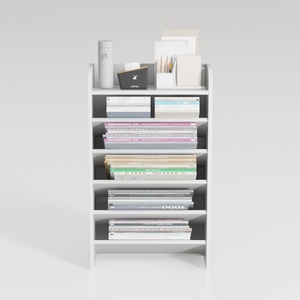

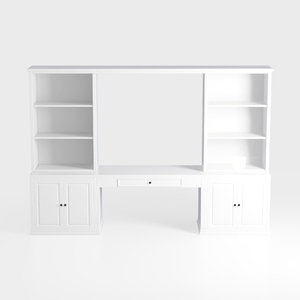
Minimalist White Solid Wood Home Office Desk With Bookcase Cabinets 3D Model

IRONCK Bookshelf with Drawers, 70.9 inch Tall
Homestyler is an outstanding online home design platform perfect for anyone looking to transform their space. With its intuitive design tool, stunning 3D renderings, diverse design projects, and helpful video tutorials, you can effortlessly bring your decorating visions to life!
今すぐ无料でデザイン
































