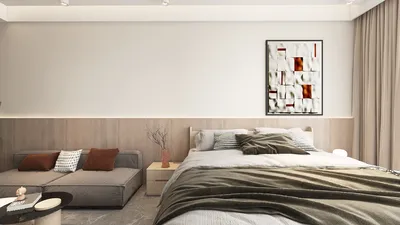


Maroon introduces an instant depth and warmth, creating a welcoming environment that doesn't overwhelm. When paired thoughtfully, it evokes the comfortable ambiance found in boutique hotels and historic apartments. I often use maroon to establish a strong foundation in a room, layering it with neutral tones, light accents, and varied textures to maintain an elegant atmosphere rather than a heavy one.
To effectively integrate maroon into your space, I focus first on lighting and human comfort. According to the WELL v2 framework, a task illumination of about 300–500 lux is ideal for most activities, complemented by glare control and layered lighting for enhanced visual comfort. Research from Steelcase shows that comfortable environments are linked to increased focus and wellbeing, with flexible settings improving overall quality. A well-designed maroon room adheres to these principles: balancing the saturation of maroon with proper illumination levels and preventing glare by blending diffuse ambient light with warm task lighting. As a guideline, I aim for a color temperature of 2700–3000K in living spaces to enhance maroon’s warmth, reserving a 3500K setting for work areas to avoid an overly subdued red hue. For comprehensive insight into lighting performance and wellness standards, refer to the WELL Building Standard resources at wellcertified.com.
The principles of color psychology support the cozy vibe associated with maroon. Warmer reds can convey feelings of safety and closeness, but overusing them can create a stifling atmosphere. An overview by Verywell Mind indicates that reds boost energy and focus; hence, it's essential to balance them with calming neutral shades like bone, mushroom, or taupe, or cooler tones such as sage and dusty blue to sustain coziness.
Design Strategy: Assign a Purpose to Maroon, Not Its Entire Role
I view maroon not as a centerpiece but as an accent—whether it be a dominant maroon wall, the interior of a niche, or selectively upholstered furniture. For those seeking to find layouts that test focal walls and visual pathways before committing to paint, utilizing a room design visualization tool like Homestyler can greatly aid in conceptualizing space circulation and furniture proportions in 3D.
Light, Color, and Contrast Ratios
Since maroon absorbs light more effectively than pastels, the brightness ratio between walls, ceilings, and surfaces becomes crucial. I suggest a luminance ratio of about 1:3 between maroon features and adjacent lighter planes to alleviate visual strain. Layering ambient lighting is key: employing cove or ceiling-mounted lighting for general brightness, wall sconces to soften vertical areas, and tabletop lamps for localized warmth. It’s important to maintain uniform finish reflectance—using matte or eggshell finishes for the walls to limit hot spots, satin for trim, and low-gloss metals for fixtures.
Material Pairings to Refresh Maroon
• Wood: Consider using rift-sawn white oak, low-sheen walnut, or pale ash to balance the palette.
• Stone: Opt for honed limestone, warm-aggregate terrazzo, or travertine to introduce texture.
• Metals: Choose antiqued brass, bronze, or smoked nickel for a subtle glow; steer clear of mirror chrome near maroon, as it may appear overly cold.
• Fabrics: Materials such as bouclé, mohair, wool blends, and heavy linen beautifully complement maroon. Diverse textures ensure the color appears rich rather than flat.
• Sustainability Note: Select GREENGUARD-certified finishes and low-VOC paints to align indoor air quality with wellness objectives.
Room-by-Room Utilization
Living Room: Apply a maroon accent wall facing the seating area, complemented by a ceiling in bone or mushroom along with a soft gray rug. Include two warm-white lamps (2700K) with fabric shades for gentle light diffusion. If rebalancing is necessary, transition maroon from paint to textiles, such as throw pillows, a velvet ottoman, or lined curtains to allow for saturating adjustments.
Bedroom: Maroon works wonderfully on the headboard wall or can be incorporated in the header fabric; keep bedding light (like cream or parchment) and introduce a subtle pattern in the area rug. Use dimmable sconces fitted with 2700K bulbs to maintain a cozy environment without losing contrast for reading.
Dining Room: Maroon enriches intimate settings; using mid-gloss maroon on lower wall panels or wainscotting against lighter upper walls creates balance. Pair it with a walnut or oak dining table and a low-glare pendant light at 3000K above the centerpiece—a diffuser or fabric shade can help soften shadows cast on faces.
Study Area: If maroon is desired here, keep it positioned behind the monitor or as part of the shelving backdrop. Utilize 3500K task lighting, matte maroon paint to control reflections, and a neutral desktop for maintaining visual contrast.
Ergonomics and Human Considerations
Comfort transcends mere color choices. A supportive reading chair, ample knee space at tables, and a glare-free view are essential for the room's usability. When maroon is a prominent feature, I reduce glossy surfaces in sightlines to ease visual transitions—our eyes work harder when moving between dark, saturated hues and bright reflective highlights.
Sound Comfort with Rich Color Choices
Maroon commonly finds its spot in cozy, acoustically favorable rooms. Employing heavyweight draperies, upholstered panels, and area rugs can help minimize reverberation. Additionally, bookshelves along the maroon wall can serve as natural sound absorbers. Keep hard parallel surfaces to a minimum to prevent echoing.
Patterns, Proportions, and Visual Flow
Large saturated areas require rhythm. Break up planes of maroon with vertical reveals, picture ledges, or paneling to achieve a 60/30/10 distribution: 60% light neutral, 30% maroon, and 10% accent colors (such as antique brass, muted teal, or soft gold). This balance helps maintain an open feel while emphasizing warmth.
Natural Light and Glare Management
Maroon beautifully interacts with soft daylight. Employ sheer drapes or textured blinds to diffuse light, avoiding harsh patches on the walls. For rooms receiving strong sunlight, consider installing secondary glazing or using low-reflectance paint to mitigate contrast. Arrange seating so that eyes naturally gravitate toward mid-tone surfaces rather than directly facing high-contrast window-wall arrangements.
Selecting the Appropriate Shade of Maroon
• Cool Maroon (slight blue undertone): Pairs well with gray and nickel accents, fitting for modern designs.
• Warm Maroon (brown undertone): Complements brass, oak, and cream for a classic, cozy feel.
• Desaturated Maroon: Suited for smaller spaces, it carries less visual weight while maintaining warmth.
Always test swatches on at least two walls and observe the effect throughout various times of the day. The LED color temperature can alter the perception of maroon; 2700K enhances warmth while 3500K creates a more neutral appearance.
Strategies for Small Spaces
Opt for lighter colors on ceilings and trim. Utilize maroon below eye level (on lower cabinetry or banquettes) or introduce it through vertical stripes or paneling. Mirrors should reflect lighter surfaces rather than maroon walls to avoid overwhelming reflections of saturation.
Styling and Finishing Elements
Incorporate tactile items—ceramic pieces, framed textiles, and leather-bound books—to echo maroon's warmth without redundancy. Artwork featuring muted greens or indigo creates a satisfying contrast. I lean towards using diffusers and candles with warm, resinous fragrances to enhance the overall mood.
Practical Upkeep
Choose washable matte or eggshell finishes for areas that see a lot of contact. For upholstery, select durable fabrics with Martindale rub counts suitable for the environment (e.g., 30,000+ for family rooms). Having touch-up kits with the exact maroon blend can be valuable, as rich colors tend to show wear more easily.
Frequently Asked Questions
Q1: Does maroon make a room appear smaller?
A: While deep colors may create a compressive effect, balancing them with light ceilings, abundant layered lighting (generally between 300–500 lux for daily activities as per WELL v2 guidelines), and reflective neutrals can alleviate this. Using maroon as an accent on one wall or through textiles offers can provide greater control.
Q2: What is the best lighting temperature to use with maroon?
A: A temperature range of 2700–3000K is optimal for living and dining areas to retain that cozy warmth; 3500K is preferable in work areas to aid concentration without dulling the overall palette.
Q3: Which neutral hues complement maroon effectively?
A: Shades like bone, mushroom, taupe, and warm grays enhance the sophistication of maroon while mitigating visual heaviness.
Q4: How can I prevent glare on dark maroon walls?
A: Utilize matte or eggshell paints, diffused light fixtures, and tactically position lighting to graze rather than spotlight. Avoid glossy textures at eye level as much as possible.
Q5: Is maroon suitable for contemporary designs?
A: Absolutely. Cooler maroon tones can be combined with nickel, blackened steel, and minimalistic forms. Preserving clean lines and limiting textures is key.
Q6: What materials can enhance maroon’s warmth?
A: Utilize warm woods like walnut or oak, certain honed stones, antique brass, and textured fabrics like bouclé or mohair. These materials provide essential contrast to keep the color feeling rich.
Q7: Can maroon be effectively used in bedrooms?
A: Yes, especially if it’s limited to the headboard wall or incorporated through textiles. Soft, dimmable lighting at 2700K and lighter bedding options can prevent a heavy atmosphere.
Q8: How can I assess maroon before finalizing my color choice?
A: Paint sizable samples on two walls and observe the variations through different times of the day. Consider the effect of daylight versus your evening lighting; the LED temperature will significantly influence perception.
Q9: What’s a recommended distribution of maroon within a room’s color scheme?
A: A 60/30/10 approach generally works well—60% light neutral, 30% maroon, and 10% metallic or accent colors—to maintain visual balance and coherence.
Q10: Do you have layout advice for introducing a maroon feature wall?
A: Place the feature wall opposite the primary seating area or behind the headboard to create impactful sightlines. An interior layout planner such as Homestyler can assist in experimenting with placement and traffic flow prior to painting.


If you're looking to transform your space effortlessly, Homestyler is your go-to platform! With its user-friendly online design tool, stunning 3D renderings, inspiring design projects, and helpful video tutorials, creating your dream home has never been easier. Dive in and start designing today!
Progetta ora GRATIS
































