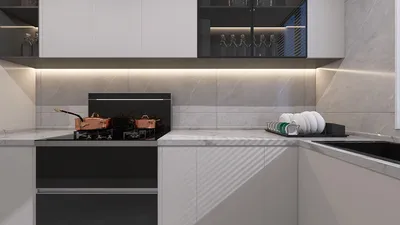


I recall a client who believed that black mold added "character" to their bathroom — it almost made me chuckle, until I spent hours scraping what resembled pollution art. Small bathrooms have taught me the hardest lessons: inadequate ventilation, tight corners, and smug little mold colonies thriving after every shower. However, these compact spaces can also inspire amazing creativity. Drawing from a decade of experience, I compiled five practical design strategies to help you combat bathroom black spots while making the space feel intentional, incorporating the use of Homestyler for effective planning.
1: Enhance ventilation with a small mechanical upgrade
Often, the most straightforward solution involves adding or upgrading an exhaust fan that’s appropriately rated for the room size. I suggest opting for a fan equipped with a humidity sensor so it only operates when necessary — it’s quieter, smarter, and helps avert the persistent dampness that contributes to black spots. Although it might be more expensive initially compared to a basic fan, it generally saves time on cleaning and repainting in the long run.
save pin
2: Select moisture-resistant finishes
Replace regular paint with high-quality bathroom-specific paint or waterproof wall panels in areas prone to wetness. In one tiny ensuite I worked on, installing PVC-backed panels behind the sink effectively prevented daily splashes from allowing mold to develop in the grout. While these panels might not convey the same "luxury" feel as tiles, they are considerably easier to clean and much more accommodating in confined spaces.
save pin
3: Reassess grout and joints
Black spots thrive in grout lines, which is why I frequently recommend using epoxy grout or large-format tiles to minimize seams. Epoxy grout is more resistant to staining and mold than traditional cement grout, although it is a bit tricky to install and more expensive. For those with tighter budgets, I recommend sealing grout annually and keeping a small grout brush handy — after all, prevention is always better than a late-night cleaning session.
save pin
4: Incorporate functional storage and drying zones
Wet towels and clutter create a perfect environment for black mold to flourish. In my designs, I typically include heated towel rails or ventilated cabinets near showers to mitigate damp textiles. This small change can have a significant impact; one client reported a remarkable decrease in mold after improving towel storage — though it does require available wall space or innovative vertical storage solutions, which is precisely the type of small-space challenges I adore tackling.
save pin
5: Employ smart cleaning strategies
Streamline cleaning by opting for fewer horizontal ledges and more wipeable surfaces; consider integrating a squeegee hook within easy reach of the shower. In one compact bathroom, placing a magnetic squeegee conveniently on the frame helped eliminate daily water film and prevented black spots from gaining a foothold. It’s surprisingly easy, yet these small habits make a significant difference when every square inch matters.
save pin
Tips 1:
When planning upgrades or visualizing solutions for small bathrooms, utilizing a 3D floor plan or a simple layout testing tool can prevent costly mistakes. I often rely on tools like Homestyler to help me mock up fan placements and storage options that fit perfectly within a compact footprint.
save pin
FAQ
Q: What causes black spots in bathrooms? A: Typically, black spots are a result of mold or mildew due to moisture accumulation, inadequate ventilation, and organic debris such as soap scum. Ensuring surfaces remain dry and enhancing airflow are the most effective strategies to prevent their growth.
Q: Can I eliminate black spots myself? A: Yes, small areas can be treated using a bleach solution or a commercial mold remover; ensure to wear gloves and ventilate the room. For larger infestations, it’s best to contact a professional to identify hidden leaks or insulation problems.
Q: Is epoxy grout a worthy investment? A: For wet areas, epoxy grout is significantly more resistant to staining and mold compared to cement grout, making it a solid long-term investment despite its higher installation costs.
Q: How powerful should my bathroom fan be? A: Look for a fan with the appropriate CFM rating for the size of your room and, ideally, one equipped with a humidity sensor; many small bathrooms function well with 50–80 CFM, depending on their volume.
Q: Do heated towel rails assist in mold prevention? A: Absolutely, they help accelerate towel drying and lessen the damp textiles that foster mold; however, they do require some electrical work and designated wall space.
Q: Are waterproof wall panels a viable alternative to tiles? A: They are easier to maintain and generally less expensive to install, particularly in very small bathrooms, although they may not offer the same high-end appearance as tiles.
Q: How frequently should I reseal grout? A: An annual resealing is a common recommendation to uphold protection and mitigate the risk of mold establishment.
Q: Where can I find reliable information about mold in buildings? A: The U.S. EPA offers clear, evidence-based resources on mold remediation and prevention (https://www.epa.gov/mold), which I frequently cite for technical accuracy.
save pin
Homestyler is your go-to online home design platform, perfect for anyone looking to transform their space. With an intuitive design tool, stunning 3D renderings, and a wealth of DIY video tutorials, you can easily create and visualize your dream home—no experience needed!
Design jetzt kostenlos
































