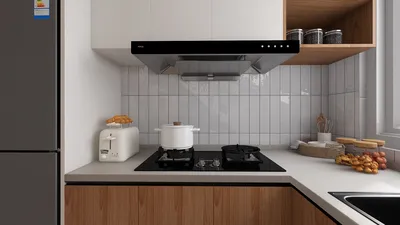


Managing the sweltering summer heat in your home often hinges on effective passive design strategies rather than solely relying on air conditioning. In my design endeavors, I prioritize the control of solar gain, efficient air movement, and minimizing internal heat generation—three strategies that can significantly enhance your comfort levels. Research from WELL v2 indicates that occupants generally prefer operative temperatures between approximately 72–76°F (22–24°C), with a boost in comfort achieved through air movement of up to 0.8 m/s, even without a drop in air temperature. Insights from Gensler’s studies suggest that thermal comfort is crucial for both workplace performance and satisfaction, ranking high among the top contributing factors to productivity.
Light and heat are fundamentally linked during summer. The Illuminating Engineering Society highlights the importance of daylight management through techniques like glazing, shading, and the use of reflective surfaces to decrease cooling demands by limiting radiant heat ingress into spaces. Additionally, color psychology indicates that cooler tones—such as blues and soft greens—are tied to lower perceived temperatures and a sense of calm, as confirmed by environmental psychology research found in Verywell Mind articles about color psychology. By implementing these principles, you can create spaces that feel cooler, even if the thermostat readings don’t significantly fluctuate.
Focus on External Shading First
To combat heat effectively, it’s essential to block sunlight at its source. External shading options, including adjustable louvered screens, exterior roller shades, or strategically placed deciduous plants, can significantly prevent solar radiation from warming indoor spaces. On east and west-facing facades, where sun exposure is most intense, vertical fins or movable screens provide optimal results. Studies show that a well-implemented exterior shading solution can reduce solar heat gain by 60–80% compared to untreated glass, depending on the choice of fabric and its properties. Light-colored, loosely woven materials can effectively manage glare while still allowing natural light to enter.
Implement Cross-Ventilation and Stack Effect
Natural airflow plays a crucial role in cooling spaces by improving convective heat loss and enhancing evaporative cooling on the skin. Design a pressure pathway by opening lower-level, shaded windows for air intake and positioned higher windows across from these for exhaust. You will notice this effect intensify during cooler nights. For additional comfort, pair this with a quiet ceiling fan. According to WELL v2 guidelines, increasing air speed can expand comfort ranges, making temperatures around 78–80°F (25–27°C) feel more tolerable. Ensure fan blades are situated at 7–9 ft (2.1–2.7 m) above the ground and rotate counterclockwise during summer to push air downwards.
Select Window Treatments That Align with Sun Angles
Inside the room, utilizing reflective or cellular shades can effectively manage heat. Double-cell honeycomb shades provide excellent insulation against morning and afternoon sunlight exposure. On particularly hot days, pairing them with light-colored blackout drapes can further enhance cooling. To maximize efficiency, install window treatments as close to the window frame as possible to reduce heat loss. For versatile control of sunlight, consider top-down/bottom-up shades, which allow you to welcome natural light while blocking direct sunlight from below.
Minimize Internal Heat Generation
Every watt of power consumed inside translates into additional heat. To reduce heat loads, transition to LED lighting (2700–3000K for bedrooms, 3500–4000K for workspaces) and ensure task lighting is focused to avoid excess brightness. The Illuminating Engineering Society provides guidelines to prevent over-illumination, which contributes to increased heat. Unplug any electronics when not in use and modify your cooking habits to avoid using ovens during the hottest parts of the day—consider alternatives such as microwaves, induction cooktops, or outdoor grilling. Even devices like aquarium pumps and gaming systems can produce unexpected heat loads in smaller spaces.
Cool Surfaces, Cooler Feelings
Thermal comfort encompasses not only air temperature but also radiant temperatures. Mitigate radiant temperature fluctuations by incorporating light, low-absorbent finishes near windows and opting for breathable natural fabrics like linen and cotton in bedding and upholstery. Materials such as stone, porcelain, or polished concrete contribute to a cooler underfoot feel compared to thicker carpets. Use breathable mattress toppers and percale sheets in bedrooms to enhance nighttime comfort, as these fabrics facilitate quicker sweat evaporation.
Utilize Night Flush and Morning Seal
In warmer, drier climates or cooler evenings, consider employing a night purge method: open opposing windows and doors for 30–90 minutes before going to bed or at dawn to expel accumulated heat. In the morning, seal the room by closing the shades and ensuring doors are shut tight to maintain the cooler air pocket. You might add a box fan facing outwards at a higher window to expedite the exhaust process, while placing a second fan to draw cooler air from shaded areas.
Utilize Vegetation for Cooling and Microclimate Improvement
Plant life can lower surrounding air temperatures through shading and evapotranspiration effects. A trellis adorned with climbing vines on east and west sides or a strategically placed deciduous tree (south-facing in temperate zones) will provide shade during the summer while allowing sunlight to warm your home in winter. On balconies, cluster tall plants to create a cool air reservoir near windows. Indoor plants contribute to slight humidity regulation and enhance perceived comfort, even if their direct impact on temperature is relatively minor.
Optimize Layout to Prevent Heat Buildup
The way furniture is arranged can significantly influence airflow and radiant heat exposure. To improve comfort, position beds and desks away from direct sunlight and maintain a few inches of distance from exterior walls that tend to heat up in the afternoons. Avoid obstructing lower intake or upper exhaust windows with bulky furnishings. If you’re reevaluating your room layout, using a room layout tool like Homestyler can assist in simulating daylight paths and airflow routes before making any heavy adjustments.
Control Glare Without Darkening Rooms
Excessive glare can lead occupants to fully close blinds, thereby necessitating artificial lighting and additional heat generation from fixtures. Achieve a balance in glare management while still benefiting from diffused natural light through sheer shades, microprismatic films, or light shelves that redirect sunlight to penetrate deeper into the room while shading the lower pane. For screen use, aim for a luminance ratio between 3:1 and 10:1 between the monitor and the backdrop to minimize eye strain and reduce the urge to over-cover windows.
Balancing Acoustic and Thermal Considerations
While open windows provide ventilation, they can also introduce noise. To maintain a serene and cool environment, combine natural ventilation strategies with softer, sound-absorbing finishes such as rugs, curtains, and upholstered panels. If outdoor noise levels peak during specific times, adjust your ventilation cycles accordingly and rely on ceiling fans during these noisier intervals.
Addressing Humidity: The Underrated Comfort Factor
High humidity levels can stifle evaporative cooling. Strive for a relative humidity level of 40–60% when possible. During muggy conditions, use a small portable dehumidifier, and opt for drying laundry during cooler hours or outside. In dry climates, prioritize methods like placing a bowl of water in front of a fan or using damp fabric at an air intake to encourage cooling and shade.
Color and Material Strategies That Convey Coolness
Color psychology suggests that cooler palettes—like blue-gray, desaturated green, and soft teal—evoke perceptions of coolness and serenity. Pair these shades with matte finishes to reduce glare. Opt for sustainable, low-VOC paints and breathable natural textiles. Choose paints with light-reflectance values (LRV) of 60–80 on walls to help bounce natural light deeper into the space, thus decreasing the need for additional lighting and limiting heat absorption.
Simple Enhancements with Significant Benefits
- Weatherstrip any leaky windows and doors to retain the cool air post-night flush.
- Consider applying reflective window film on west-facing glass to curtail solar heat gain.
- Replace heavy drapes with lined, light-colored curtains that fit snugly against the wall.
- Install a reversible ceiling fan with a high-efficiency DC motor.
- Leverage a programmable shading schedule to adapt to the sun’s trajectory throughout the year.
Putting Together a Daily Summer Routine
Morning: ventilate for 20–30 minutes, then close windows and engage shades on sun-facing sides. Midday: minimize internal heat gains; favor fans over ovens. Late afternoon: adjust shading for west exposures and keep airflow pathways open. Night: utilize cross-ventilation or execute a night purge, followed by securing the space with fans set on low before sleeping.
Frequently Asked Questions
Q1: Do ceiling fans actually cool the room?
A1: While ceiling fans do not lower air temperature, they provide a cooling sensation by improving air movement and facilitating evaporative heat loss. According to WELL-aligned recommendations, increased air circulation can make warmer temperatures feel more comfortable, extending the comfort range by several degrees.
Q2: Are blackout curtains or reflective shades more effective against heat?
A2: For managing midday heat, reflective or light-colored shades (especially if used externally) outperform blackout options since they reflect rather than absorb solar energy. A combination of indoor cellular (honeycomb) shades along with a light, lined drape offers excellent results.
Q3: What is the optimal way to position fans for effective cross-ventilation?
A3: Position an intake fan on the cooler, shaded side blowing inward, while an exhaust fan at a higher position on the opposite side facilitates airflow out. Additionally, incorporating a ceiling fan at the center aids in distributing air throughout the room.
Q4: Do indoor plants significantly cool a room?
A4: While outdoor shading plants can dramatically reduce solar heat gain and lower ambient temperatures, the effect indoors is limited. However, plants do contribute to perceived comfort levels, providing shade and minimizing glare for windows.
Q5: Which colors contribute to a cooler room atmosphere?
A5: Tones such as blue, blue-gray, and soft green are perceived as cooler and more tranquil, aligning with findings in color psychology studies. Combine these with high-LRV, matte finishes to mitigate heat absorption and glare.
Q6: How can I keep my bedroom cool overnight without relying on air conditioning?
A6: Employ night flushing techniques, select breathable bedding materials (like linen or percale cotton), use a quiet ceiling fan on low settings, and keep shades closed during the day to minimize heat buildup. Elevating the bed slightly can also improve airflow around the mattress.
Q7: Can window film be beneficial in a west-facing room?
A7: Indeed, high-quality spectrally selective window film can reduce solar heat gain while allowing natural light and views to remain. When used alongside exterior shading, it can have a substantial impact on indoor comfort levels.
Q8: What humidity levels are considered most comfortable during summer?
A8: Aiming for a relative humidity level around 40–60% is ideal. Lower humidity enhances evaporative cooling and overall comfort. During muggy weather, utilize a dehumidifier and avoid drying clothes indoors during peak daytime hours.
Q9: Is it advisable to keep windows closed during peak heat hours?
A9: Yes. When outdoor temperatures exceed indoor levels, it’s advisable to seal the home, apply shading, and make use of fans. Windows can be reopened when the external temperatures decrease.
Q10: How can small changes in layout benefit cooling without requiring a full renovation?
A10: Adjust the positioning of heat-sensitive activities and furniture away from sunlight paths, maintain clear airflow channels between windows, and ensure large pieces don’t obstruct vents. Utilizing a room layout planner, like Homestyler, can make visualizing these changes easier.
Q11: Are LED lights cooler to operate compared to other bulb types?
A11: Yes, LED lights convert a higher proportion of energy into light rather than heat when compared to incandescent or halogen bulbs, thereby diminishing internal heat loads.
Q12: Can reflective roofs or light-colored building exteriors aid in cooling?
A12: Absolutely. High-albedo roofing and light-colored facades are effective in reflecting solar energy, resulting in reduced attic and wall temperatures which help prevent heat transfer into rooms—especially effective in upper-level spaces.
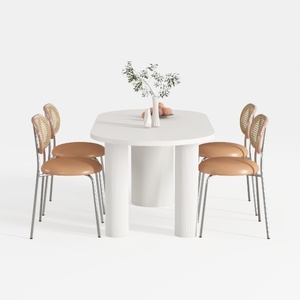
DUOMAY Modern Boucle Dining Chairs Set of 2,
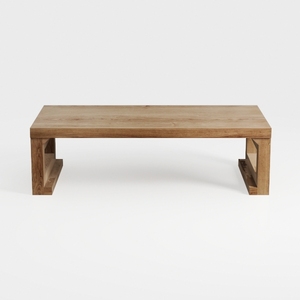
Bed Table Bed Desk Living Room Simple and Creative
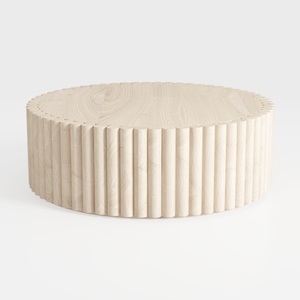
Drum Oval Coffee Table Mid Century Modern Coffee
Looking to transform your living space? Homestyler is your go-to online home design platform! With its user-friendly design tool, stunning 3D renderings, and an abundance of DIY video tutorials, you can effortlessly explore and create your dream home. Get started today!
Concevez maintenant gratuitement
































