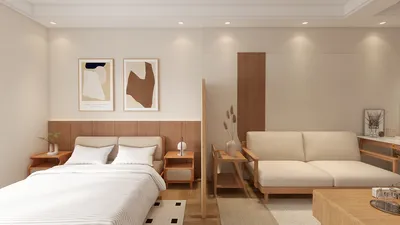


Choosing an appropriate name for a meeting room transcends mere labeling; it evokes a unique mindset and atmosphere. Over time, I've observed that the right name can subtly influence behaviors, set clear expectations, and enhance team identity. For instance, when a team enters "The Workshop" rather than "Room 3B," the atmosphere shifts to one that encourages creativity, iteration, and problem-solving. The name serves as a signal for how participants engage with the space.
The significance of these naming decisions is backed by research. A study by Steelcase reveals that 87% of individuals consider workplace design crucial for effective collaboration, highlighting how the arrangement and naming of spaces impact team dynamics and creativity. Furthermore, insights from Herman Miller suggest that carefully curated environments can lessen mental fatigue and enhance concentration, directly affecting the quality of meetings. These observations affirm that naming is not a trivial matter; it is a potent tool for influencing behavior and interactions.
The interplay of color and psychology also plays a critical role. According to Verywell Mind, colors can significantly influence mood—while blues and greens foster a sense of calm and focus, warmer shades can invigorate the atmosphere. Thus, pairing room names with suitable color schemes and lighting specifications can elevate purpose and intent. Recommendations from WELL v2 regarding lighting emphasize aligning with natural circadian rhythms and controlling glare; for a "Strategy Lab," incorporating neutral-white lighting in the 3000–4000K range optimizes concentration while minimizing visual fatigue.
Effective Strategies for Naming Meeting Rooms
When devising a naming scheme, I rely on five key principles: clarity of purpose, cultural relevance, creative inspiration, intuitive navigation, and long-lasting appeal. Each name should reflect the room’s intended function, resonate with the company's ethos, and remain relevant over time. It's beneficial for names to work cohesively as a narrative throughout the space, rather than existing as disparate concepts.
Aligning Names with Desired Behaviors
Connect room names to the actions you wish to encourage. For spaces designed for rapid brainstorming, consider dynamic names. Conversely, for areas aimed at deep concentration, lean towards names that evoke tranquility and depth. Utilizing a layout tool, such as Homestyler, can help visualize spatial adjacencies and ensure that naming conventions harmonize with the physical layout.
• The Workshop • Prototype • Forge • Studio • Drafting Table • Foundry • Maker Bay • Assembly • Lab 01 • Build Room
These names complement high CRI task lighting, durable surface materials, and ample writing space.
• Strategy Lab • War Room (to be used cautiously) • Compass • North Star • Playbook • Framework • Ledger • Briefing • Scenario • Summit
Ensure unobstructed sightlines, prioritize acoustic privacy (NRC ≥ 0.75 in wall/ceiling panels), and implement dual-display systems for clear communication.
• The Study • Quiet Cabin • Reading Room • Atelier • Grove • Stillwater • Sanctuary • The Annex • Solace • Inkwell
Utilizing blue-green color schemes, 3500K lighting, and soft materials can enhance focus; also, avoid visual distractions and ceiling glare as per IES guidelines.
• Playground • Idea Garden • Spark • Lightning • Muse • Kaleidoscope • Ping • Dream Lab • Skunkworks • Paper Planes
Incorporate movable furniture, writable surfaces, and vibrant color accents; ensure a balance of saturation to prevent overstimulation.
• Cedar • Birch • Moss • Tundra • Fjord • Horizon • Meadow • Tide • Canyon • Habitat
Biophilic names, which emphasize nature, can enhance restorative qualities. Pairing these names with plants, natural textures, and 4000K lighting creates conducive environments for daytime meetings.
• Circuit • Nova • Quantum • Signal • Vector • Pixel • Module • Grid • Atlas • Beacon
Support these themes with organized cable management, sound-absorbing baffles, and neutral color schemes highlighted by luminous accents.
• Lore • Chronicle • Archive • Folio • Mythos • Origin • Epilogue • Narrative • Prelude • Codex
These names are particularly suitable for client presentation areas or immersive brand environments, enhanced with thoughtfully curated artifacts and controlled lighting.
Connecting Names with Layout, Lighting, and Acoustics
The true power of names is realized when they are harmonized with design functionality. For rooms designated for strategy, ensure arrangements support clear visibility and equitable seating. Maintaining task lighting levels of 300–500 lux ensures visual comfort; using low-glare fixtures enhances the environment. Flexible layouts and resilient flooring are ideal for brainstorming zones. Acoustic balance is crucial; Steelcase emphasizes that noise is a principal concern in workplaces; aim for background sound levels around 35–45 dBA, utilizing soft finishes combined with sound masking when necessary.
Establishing a Naming Framework: My Approach
1) Identify essential meeting types (decision-making, development, brainstorming, focus, social interaction). 2) Map out each room’s capacity along with audiovisual and proximity needs using an interior layout planner like Homestyler. 3) Select a cohesive theme for each area—materials-oriented names for creative spaces, navigation-related names for collaborative zones. 4) Engage stakeholders; names should be clear across teams and inclusive of various cultures. 5) Test signage for ease of navigation during busy periods, and refine based on input. 6) Create a style guide to ensure future naming stays consistent.
Signage, Navigation, and Ergonomic Considerations
Names extend beyond the room's entry; they also appear in signage and digital booking systems. Implement high-contrast, glare-free signs positioned at eye level, including tactile indicators when needed. Accessibility is essential—ensure clear typography and support for multilingual options. Ergonomic features, such as adjustable seating and tables, clear sightlines to screens, and intuitive cable management are vital to facilitate the room's intended purpose as indicated by its name.
The Impact of Color Psychology on Names
• Focus Areas (The Study): Utilize desaturated blues and soft greens. • Strategy Areas (Compass): Choose a neutral base with bold accents (indigo, charcoal). • Creative Areas (Forge): Use warm neutral tones with energizing pops of orange. • Brainstorm Spaces (Spark): Incorporate lively, playful accent walls alongside muted supporting tones. Evidence from Verywell Mind supports the idea that blue facilitates focus, while small doses of warmer colors can elevate energy without raising anxiety levels.
Naming Examples: Cohesive Themes by Floor
• Craft & Material-based: Timber, Clay, Alloy, Loom, Quarry, Grain, Kiln, Lathe. • Constellation & Navigation: Polaris, Vega, Orion, Sextant, Meridian, Gyre, Azimuth. • Ecosystems: Estuary, Savanna, Reef, Canopy, Mesa, Delta. • Literary Themes: Prologue, Chapter, Index, Margin, Colophon, Afterword.
Governance: Maintain Deliberate Naming Practices
Document your naming standards in a concise brand playbook outlining capitalizations, language preferences, and tone. Refrain from using insider jokes that may become dated or might exclude certain teams. Ensure names are pronounceable and unique to avoid booking mix-ups. Renaming should only occur upon significant changes to the space's function; for instance, changing "Forge" to "Quiet Cabin" without altering layout, acoustics, or lighting would likely lead to confusion.
Frequently Asked Questions
Q1: Can room names substantially influence meeting results?
A: Absolutely; they set the behavioral tone. Research from Steelcase and Herman Miller illustrates the correlation between environmental context and collaboration quality; a name that aligns with room function reinforces this context.
Q2: How many naming themes should a workplace employ?
A: Ideally, one to three themes for a specific area is sufficient. Excessive themes may dilute narrative coherence and wayfinding.
Q3: What if our corporate culture is highly technical?
A: Choose names that reflect a technical or futuristic trend (like Vector or Module) or navigation themes (such as Azimuth or Meridian). Keep typography and signage simple to ensure clarity.
Q4: How can names enhance accessibility?
A: Select clear, easy-to-pronounce names, employ high-contrast signage, and use consistent numbering systems. Icons can also assist in quick recognition.
Q5: Should concentration-focused rooms have vibrant names?
A: Not generally. Names such as "Sanctuary" or "Stillwater" encourage quiet engagement. Utilize soft textures, 3500K lighting, and high NRC materials.
Q6: How can we prevent names from appearing gimmicky?
A: Each name should be distinctly tied to the functional and design aspects of the space. If the room doesn’t deliver on the behavior the name suggests, consider revising either the design or the name itself.
Q7: How should we handle multilingual team considerations?
A: Test names for easy pronunciation across different languages, avoid using idioms, and think about universally relatable themes like nature or navigation.
Q8: How can data assist in our naming decisions?
A: Absolutely! Refer to WELL v2 guidelines for optimal lighting and IES glare control to ensure names reflect the intended activities, alongside research from Steelcase to validate collaboration needs.
Q9: How should names fit into digital booking systems?
A: Implement short, distinct names with standard prefixes for different zones (e.g., STR-Compass, MAK-Forge). Keeping a centralized index minimizes booking errors.
Q10: Where should transitions between themes occur?
A: Transitions should take place at clear spatial boundaries—close to cores or major corridors—so individuals can grasp the narrative shift without confusion.




Homestyler is your go-to online home design platform! With its intuitive design tool, stunning 3D renderings, and a wealth of design projects and DIY video tutorials, transforming your space into a dream home has never been easier. Start creating today!
Zaprojektuj teraz za darmo
































