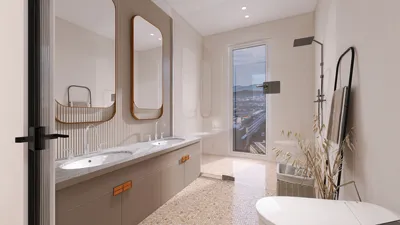


I've faced the challenge of dealing with dampness in various types of spaces, from seaside apartments and garden-level studios to north-facing bedrooms. The most effective strategies for moisture control combine air circulation, heat, and removal techniques, along with preventive measures through suitable materials and interior arrangement. Notably, health and performance studies, such as the WELL v2 standard, advocate for maintaining indoor relative humidity between 30% and 60%. This range not only minimizes the risk of mold and dust mites but also enhances comfort and respiratory well-being. Furthermore, research by Steelcase highlights that improving thermal comfort and air quality can lead to significant productivity improvements, emphasizing that a well-ventilated and dry environment fosters better mental clarity and work performance.
When it comes to measuring humidity levels, I typically aim for 40–55% relative humidity (RH) in most living areas, specifically targeting closer to 45% in bedrooms to mitigate dust mites. Intriguingly, studies on color psychology from Verywell Mind suggest that our perception of comfort is influenced by our surroundings; therefore, a drier and brighter atmosphere appears more inviting and ‘lighter.’ For safety and lighting, the Illuminating Engineering Society (IES) advises maintaining light levels of 300–500 lux for standard tasks; additionally, well-lit and well-ventilated rooms aid moisture evaporation because of better airflow visibility and increased movement from occupants. It’s beneficial to keep a hygrometer nearby; it serves as an essential tool to monitor your progress within hours.
Immediate Strategies to Dry Out a Damp Room
To effectively create airflow, start by establishing a pressure-driven pathway. Open windows on opposite sides of the room (or a window and a door) to promote cross-ventilation. You may also use a box fan facing outwards to expel moist air through one opening. On days when the weather is particularly wet or cool, using a dehumidifier is a wise choice; keep the room closed to enhance effectiveness. Aim for a capacity of 30 to 50 pints per day in bedrooms and 50 to 70 pints in larger living spaces during periods of intense dampness.
Warm air can absorb more moisture, so aim to heat the room to temperatures around 20–22°C (68–72°F) while using a fan. Direct the fan towards walls and corners where condensation tends to accumulate. If a radiator or space heater is present, lift smaller furniture to allow air circulation underneath.
Use microfiber towels to wipe away any visible condensation on windowsills, metal frames, and chilly corners. For minor mold on non-porous materials, apply a gentle detergent solution while ensuring good ventilation. Porous items, such as unsealed plaster or fabric-made headboards, require prompt drying; reposition them into air flow or use a low-heat hair dryer for localized drying if it's safe to do so.
Identify and Address Moisture Sources
While fast solutions are effective, they won’t sustain improvement unless the sources of moisture are addressed. Common moisture contributors include leaks from roofs or windows, cold bridges that lead to condensation, humid activities like cooking and showering, misting of plants, and moisture seeping in from basements.
Effective Equipment Strategies
When time is of the essence—such as before hosting guests or during a rental turnover—layer multiple tools to tackle dampness.
Adjusting the Room Layout for Enhanced Drying
The layout of your room significantly influences both airflow and exposure to cold surfaces. To reduce stagnant areas, pull larger furniture at least 5–8 cm (2–3 inches) away from outer walls. Avoid using floor-to-ceiling curtains that may block radiators or air vents. Additionally, reposition closets away from cold corners to minimize the creation of microclimates. If you're considering reconfiguring your space or want to visualize airflow patterns before moving heavy furniture, utilizing a design tool can help plan your layout effectively.
Choosing Materials that Resist Dampness
In areas prone to dampness, prioritize finishes that are breathable and moisture-resistant. Limewash or mineral-based paints enhance wall drying compared to vinyl acrylics. For basement subfloor insulation, opt for closed-cell foams or extruded polystyrene. Regarding flooring, select engineered wood with a durable finish, luxury vinyl tile with sealed seams, or porcelain tiles accompanied by vapor-permeable grout; avoid solid hardwood over concrete without a vapor barrier in place. Upholstery in performance fabrics and quick-drying foams will recover faster after being exposed to moisture.
The Role of Lighting and Color in Creating Perception
A well-illuminated room not only feels drier but also makes it easier to identify potential damp spots. Strive for an ambient light level of 300–500 lux using warm-neutral LED lights in the range of 3000–3500K to avoid a sterile impression. Control glare to enjoy prolonged window openings without discomfort. In compact damp spaces, lighter neutral tones with subtle warm undertones appear cleaner and fresher; according to Verywell Mind's studies, pairing warm neutrals with soft blues or greens can evoke calmness and perceived freshness when adequate lighting is present.
Ventilation: Utilizing Natural, Mechanical, and Balanced Approaches
Natural ventilation is effective when outdoor air is drier than the indoor air. In consistently humid climates, contemplate installing continuous low-speed mechanical ventilation. Energy recovery ventilators (ERVs) help maintain a balance between intake and exhaust, thus preserving temperature while providing necessary air refreshment. It's crucial to have dedicated exhaust ducts in kitchens and bathrooms, sealing any gaps and preventing backdrafts to stop moist air from re-entering the space.
Practicing Ergonomics and Habits That Keep Rooms Dry
Acoustic Considerations in Damp Environments
Soft materials like thick curtains and plush rugs can retain moisture. Instead, replace some soft finishes with perforated wood panels, use mineral wool behind decorative fabric, and incorporate washable acoustic baffles. This approach will control reverberation without creating areas for moisture to accumulate.
Contending with Basements and Ground-Level Spaces
Rooms below ground require a more stringent approach: ensure that outdoor drainage flows away from your building's foundation, extend downspouts appropriately, and verify sump pump functionality. Inside, it's essential to install continuous vapor barriers beneath flooring materials, insulate walls with rigid foam panels, and keep relative humidity levels between 45-50% with an auto-draining dehumidifier. Store items off the floor using wire shelves to promote airflow.
When to Seek Professional Assistance
If you consistently experience relative humidity above 60%, notice mold growth exceeding 1 m² (10 ft²), or detect musty odors reappearing within 24 to 48 hours after drying, it may indicate concealed issues—such as plumbing leaks or unnoticed condensation. In such situations, consulting a building envelope specialist or a remediation company is advisable.
Designing Your Space for Prevention
During ongoing projects, consider integrating vapor-permeable wall assemblies with external insulation to minimize thermal bridging. Specify trickle vents or continuous ventilation mechanisms in airtight homes. Implement hydrophobic window sills, design sloped exterior features, and install sills with end dams. Allow space behind wardrobes against exterior walls to maintain air circulation.
One-Week Action Plan for Moisture Management
Referencing Standards and Important Research
To establish your targets: the WELL v2 guidelines suggest aiming for an RH of 30–60% for health; the IES recommends a light level of 300–500 lux for general ambient lighting. Research from Steelcase and Herman Miller continually correlates temperature and air comfort with productivity and well-being, highlighting the significance of balanced humidity levels and adequate ventilation in both living and working spaces.
FAQs Regarding Humidity Management
Maintain indoor relative humidity between 30% and 60%, ideally around 45–50% in common living spaces and close to 45% in bedrooms. This range aligns with the WELL v2 recommendations and reduces the likelihood of mold and dust mites.
These methods work well in tandem. Heating enables the air to retain more moisture, while the dehumidifier removes that moisture. Adjust the space to approximately 20–22°C (68–72°F) and run your dehumidifier to maintain 45–50% RH.
It is advisable to ventilate during the activity and for at least 20 minutes afterward. Upgrade to sufficiently sized fans (80–110 CFM for smaller bathrooms; 150+ CFM for more substantial spaces) and ensure they vent to the outdoors.
Plants can contribute added humidity, especially with frequent misting. Position them near windows, minimize misting in colder months, and ensure that airflow is maintained. Avoid clustering them in the cooler corners of the room.
Heavy, dense fabrics can trap moisture. Opt for quick-dry fabrics that can be washed and periodically lift rugs to allow the underlying floor to breathe. In particularly damp areas, select lighter window treatments.
Extract moisture using a wet vacuum, enhance air circulation with fans directed across surfaces, and run a dehumidifier continuously. If carpeting remains saturated for more than 24 to 48 hours, consider replacing it to prevent mold growth.
To lower indoor relative humidity to around 45%, increase air movement over window surfaces, consider insulated shades with side channels, and inspect window seals for failures. Consider installing secondary glazing in cooler climates.
If the outdoor air is warmer and drier than the indoor atmosphere (check a weather app for RH and temperature), brief ventilation can be beneficial. Otherwise, keep windows shut and rely on dehumidification methods.
Certainly—mineral-based or lime-based paints allow walls to dry at a quicker rate compared to vinyl-acrylic options. They won't fix leaks, but they aid surfaces in releasing moisture.
Leave gaps behind furniture next to exterior walls, avoid obstructing radiators or vents, and create clear air pathways between openings. Utilize a room layout planning tool ahead of moving heavy items to explore the best arrangements.
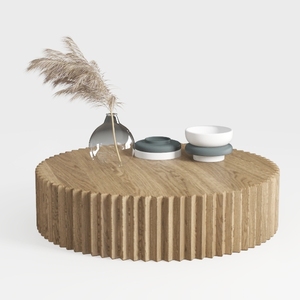
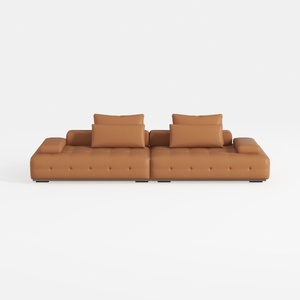

Modern Tufted Leather Oversized Sectional Sofa 3D Model
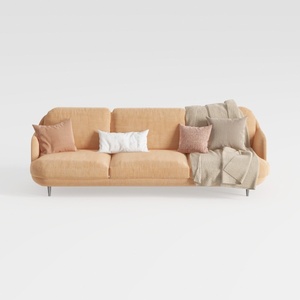
Modern Minimalist Peach Fabric Sofa with Throw Pillows and Blanket 3D Model
Looking to redesign your space? Homestyler offers an intuitive online design tool, stunning 3D renderings, and a wealth of design projects and video tutorials. Whether you're a novice or a seasoned pro, it's the ultimate platform to bring your creative visions to life!
Projete agora para LIVRE
































