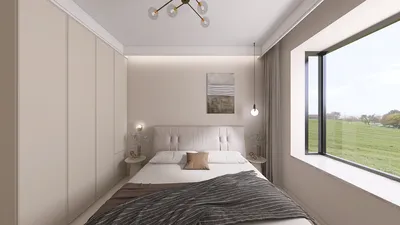


I once attempted to position a baby grand piano in a cramped clinic waiting area at the request of a rather anxious client who believed it would add a cultured ambiance. It didn't quite hit the mark — however, this misadventure highlighted how creative limitations can lead to innovative design solutions. Smaller spaces often inspire grand ideas, and whenever I need to quickly illustrate a clear layout for clients, I turn to a sample 3D design, minimizing the guesswork. In this article, I’ll provide five effective small waiting room design ideas that I have successfully executed in various projects, including insights from industry experts, potential challenges, and budget-friendly tips.
Built-in Bench with Storage and Planter
I favor swapping out individual chairs for a continuous built-in bench: it offers a cleaner look, accommodates more guests, and provides hidden storage underneath for magazines, cleaning supplies, or extra cushions. In one project, I designed a vinyl-upholstered bench with liftable lids and incorporated a recessed planter at one end — the plants soften the space and help conceal wear marks.
Why it succeeds: increased seating capacity, reduced visual clutter, and multifunctional storage. The caveat: custom benches require woodwork and thoughtful fabric selections to withstand wear — allocate a budget for robust materials and straightforward hardware.
save pin
Define Zones with Rugs and Layered Lighting
During a recent project for a pediatric clinic, I utilized a vibrant rug and pendant lights to carve out a designated children’s area without overwhelming the entire room. By using rugs, layered lighting, and a low shelf, it created distinct zones that feel purposeful without the need for walls.
I appreciate this method because it facilitates movement and gives each visitor a defined spot. The key challenge is scale: select rugs that do not obstruct doorways and ensure pendant lights are appropriately sized for the ceiling height.
save pin
Fold-down Surfaces and a Compact Refreshment Nook
In tight spaces, I recommend wall-mounted fold-down tables that can serve dual purposes as check-in desks or surfaces for laptops. Complement this with a slim refreshment area — a vertical cabinet containing a concealed kettle and disposable cups — which provides services while preventing permanent clutter. During one clinic renovation, I transformed an unused alcove into a neat beverage nook that the staff could secure after hours.
This design offers multifunctionality while keeping the main seating area open; just be mindful of plumbing or electrical considerations if you incorporate any appliances. For more kitchen-like design ideas, I sometimes refer to a compact kitchen case study to assess circulation and clearances.
save pin
Go Vertical: Tall Shelves, Slim Art Ladders and Hooks
When floor space is limited, utilizing wall space becomes essential. Implementing tall, narrow shelving units, picture rails, and art ladders directs the gaze upward and clears the floor area. In a compact dental practice, I installed a slim magazine ladder and suspended shelves above the bench — it instantly enhanced the airiness of the space.
The benefits include increased storage and visual height; however, accessibility must be considered — ensure that frequently used items are easily reachable and do not require guests to stretch or climb.
save pin
Mirrors, Gloss Finishes and a Bright Palette
I often incorporate a statement mirror, several high-gloss surfaces, and a carefully selected bright color scheme to create the illusion of larger, cleaner waiting areas. Mirrors enhance light reflection and activity; gloss finishes on furniture introduce a subtle depth without being overwhelming. For instance, I replaced a solid dark wall with a soft pastel shade and a large round mirror — resulting in an instant sense of expansion and tranquility.
This method is budget-conscious and quick; however, keep in mind that glossy surfaces can show fingerprints, and proper positioning of mirrors is crucial to avoid reflecting clutter. If you wish to visualize colors and reflections before making decisions, utilizing a realistic 3D render can effectively preview the outcome.
save pin
Tips 1:
Budget tip: focus on durable seating and modular components that can be replaced individually. Minor adjustments like interchangeable cushion covers, antimicrobial fabrics for healthcare environments, and wall-mounted coat hooks can enhance longevity without incurring significant expenses. I always prototype designs using simple tape and cardboard initially — it’s cost-effective and convincing.
save pin
FAQ
1. How can I make a tiny waiting room appear larger?
Employ mirrors, vertical storage solutions, and a light color palette. Opt for low-profile furniture and consistent flooring to visually extend the space.
2. What seating works best for small waiting areas?
Continuous benches or armless chairs maximize seating capacity and facilitate movement. Choose durable, easy-to-clean fabrics, especially for high-traffic areas.
3. How much space should I leave around seating for comfort?
A clearance of 30–36 inches in front of seating is ideal for comfort and accessibility; tighter layouts might function but can feel cramped during busy hours.
4. Are plants a good idea in waiting rooms?
Absolutely — plants can enhance perceived air quality and elevate moods. Choose low-maintenance species or artificial plants in low-care settings.
5. How do I handle storage in a small waiting room?
Opt for vertical and concealed solutions: built-in benches with liftable tops, wall-mounted cabinets, and recesses help maintain a tidy environment without sacrificing seating.
6. Can small waiting rooms be ADA-compliant?
Yes — ensure there is at least one accessible seating option and sufficient turning space according to local accessibility regulations. For precise standards in the U.S., consult the Americans with Disabilities Act (ADA) guidelines at ADA.gov for specific measurements and requirements.
7. What lighting strategy works best?
Layered lighting is effective: utilize ambient ceiling lights, task lighting at reception, and accent fixtures for a welcoming atmosphere. Avoid harsh overhead lights that can create a flat feel in the space.
8. Should I test designs digitally before renovating?
Definitely — utilizing mockups, mood boards, or even a quick 3D render can help identify potential size and color issues before purchasing materials. I always recommend a simple digital preview to save both time and costs.
save pin
Looking to transform your space? Homestyler is your go-to online home design platform! With its user-friendly design tool, stunning 3D renderings, and a wealth of DIY video tutorials, you can effortlessly create and visualize your dream home. Start designing today!
Design Now for FREE
































