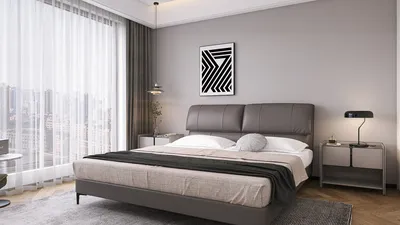


For over ten years, I have dedicated my skills to crafting homes and workspaces that maximize function without creating a sense of overcrowding. Room division is not merely about erecting barriers; it’s about instilling purpose, enhancing acoustic quality, directing foot traffic, and integrating light and materials so that areas feel unified and adaptable. When executed effectively, this approach clarifies various activity zones while elevating comfort, all while maintaining an open feel.
Research continuously indicates that effective zoning increases comfort and productivity. According to findings from Steelcase, teams in workplaces benefit from designated areas for collaboration as well as quiet focus zones that minimize interruptions and cognitive overload; adaptable boundaries enhance mixed-use spaces. The WELL v2 standard connects spatial arrangement with comfort and mental wellness by advocating for controllable environments and balanced lighting, which align with natural body rhythms and reduce stress. These principles translate effortlessly into residential environments, allowing families to transition seamlessly from cooking to relaxation and work.
Lighting serves as a powerful method for delineating spaces. The IES guidelines recommend that common living activities thrive at around 200-300 lux, while focused tasks like reading ideally reach 500 lux with controlled glare. Combining layered lighting—ambient, task, and accent—with adjustable fixtures can help define distinct “zones” in open layouts. Warmer color temperatures (2700–3000K) create a cozy atmosphere in leisure areas, while cooler neutral tones (3500–4000K) keep kitchens and workspaces vibrant without feeling clinical. For further insights, refer to the International WELL Building Institute and IES standards to optimize lighting for comfort and well-being.
**Strategic Room Division Without Walls**
Begin with circulation patterns. Create a primary pathway that flows intuitively from the entryway to the living and dining areas, branching off that core to form zones. I frequently utilize room layout tools, such as Homestyler, to quickly visualize furniture arrangements, walking spaces, and sightlines before finalizing the design. Aim for travel lanes to be about 900–1000 mm wherever feasible; narrower pathways can feel cramped, whereas wider corridors may reduce usable floor space.
**Soft Partitions: Curtains, Screens, and Plants**
Translucent drapes or acoustic panels can provide instant privacy in studio spaces or lofts, along with the added benefit of sound absorption. Freestanding dividers—made from materials like woven cane, timber slats, or perforated metal—introduce texture while allowing light to filter through. Tall plants (such as ficus or bamboo palm) can act as natural separators that soften hard borders, enhance perceived air quality, and incorporate biophilic elements that help alleviate stress. Arranging plants in clustered containers can subtly delineate areas for reading or dining without imposing solid barriers.
**Furniture as Architecture**
Incorporate multifunctional furniture pieces to define and serve various purposes. For instance, a low-back sofa positioned at a right angle to a wall can separate the living area from the dining space, while a console table behind the sofa can hold task lamps and storage solutions. Open shelves can function as semi-transparent walls—showcasing decor on one side and books on the other—allowing visibility while defining sections. In smaller apartments, a mobile kitchen island can delineate cooking areas from lounge spaces and easily transform into a serving station for gatherings.
**Ceiling, Floor, and Light to Signal Change**
Subtle variations in finishes or levels can define spaces without overwhelming them. Transition from wooden flooring to large-format tiles in dining areas to delineate purpose and enhance ease of cleaning. A slightly lowered ceiling or linear beam can visually compress a lounge area, providing intimacy. Layer lighting effectively: pendant lights over dining areas create a warm “pool” of light; indirect wall washers can extend lounge zones; and task lamps sharpen focus in work corners. Strive to keep glare below comfortable limits and incorporate dimmers for evening use.
**Color Psychology and Material Rhythm**
Colors wield significant influence over space perception. Cooler shades (desaturated blues and greens) foster calm and concentration in study areas, while warm neutrals (such as taupe and clay) encourage social interactions in dining and living spaces. The color psychology insights from Verywell Mind indicate that moderate saturation can diminish overstimulation, while high-contrast accents should highlight focal points. Balance hard and soft materials—cozy fabrics paired with wood for seating areas, stone, or quartz in places where hygiene is paramount. Choosing sustainable options like FSC-certified timber and low-VOC finishes enhances indoor air quality and minimizes sensory overload.
**Acoustic Comfort in Open Plans**
Dividing spaces should also consider sound management. Soft partitions, rugs, furniture upholstery, and acoustic panels can absorb mid to high-frequency sounds; bookshelves and plants can help scatter sound reflections to minimize echo. In my workplace designs, a blend of absorbent surfaces (ceilings and walls) with boundary elements significantly improved speech privacy in collaborative environments. Aim for a balanced auditory experience—quiet areas near focus zones and livelier atmospheres near social spots—without abrupt barriers.
**Transparent Boundaries: Glass, Slats, and Lines of Sight**
Partial transparency helps keep rooms bright and connected. Glass partitions with minimal frames allow natural light to flow while softening sound. Wooden slat screens provide privacy without bulk, and adjusting spacing can help control sightlines. Where possible, maintain visual connections to windows to preserve spaciousness and avoid a boxed-in atmosphere.
**Modular and Mobile Solutions**
Think about incorporating movable elements that adapt to your lifestyle. Mobile screens, foldable tables, nesting stools, and wheeled storage can be reconfigured for gatherings or projects. In smaller living quarters, sliding panels or pocket doors can transform a studio into two separate areas as needed. Design movable furniture with integrated cable management to keep visual clutter at bay.
**Ergonomics and Human Factors**
Ensure there’s ample clearance for dining and workspaces: 450–600 mm for chairs, a minimum of 750 mm for desk circulation, and 900 mm or more for primary pathways. Dining table heights should range from 740–760 mm, while counters at 900 mm accommodate most users. Provide task lighting that allows for adjustable positioning without creating hand shadows, and incorporate rounded edges in high-traffic areas to minimize accidents.
**Zoning in Small Spaces**
In studio apartments, create zones by prioritizing visibility: position a sleeping area behind a screen or headboard; define the living space with a rug and sofa; and place the dining/work area near windows. A compact wardrobe or shelving unit can act as a visual barrier to the bed, enhancing privacy. Utilize vertical storage integrated into partitions to optimize floor space.
**Work-From-Home Divisions**
Designate a serene work area with acoustic panels, a task lamp designed to emit light around 4000K, and visual indicators like a differently painted wall or pinboard. Research from Steelcase and Herman Miller demonstrates that clearly defined focus areas diminish interruptions and the cognitive costs of switching tasks; even a basic partition—an accompanying screen with a rug—can establish a “do not disturb” zone. Introduce a ‘door’ equivalent: draw a curtain for work mode and open it for social interaction.
**Lighting Temperatures and Glare Control**
Combine color temperatures to support human behavior: warm lighting (2700–3000K) for relaxation areas, and neutral to cool tones (3500–4000K) for task-oriented spaces. Utilize shielding and diffusers to minimize screen glare and light reflection off glossy surfaces. Position fixtures to avoid direct lines of sight from seated levels, and provide localized dimming options for evening relaxation.
**Sustainability and Longevity**
Prioritize modular furniture, ethically sourced wood, and durable materials that can be repaired. Select finishes that age gracefully—such as oiled oak and wool textiles—while avoiding excessive customization that could limit future reconfigurations. Repurposing or repositioning partitions is the simplest approach to maintain a relevant layout as needs evolve.
**Testing and Iteration**
I prototype partitions by marking out areas with painter’s tape and rearranging furniture to simulate sections. Following that, I use a layout simulation tool like Homestyler to anticipate traffic flow, sightlines, and natural light distribution. Minor adjustments such as rotating a sofa or shifting a bookcase can significantly enhance both flow and comfort.
**Practical Room Division Ideas by Zone**
Employ a console table with lamps to define the living space, place a rug under seating arrangements, and illuminate the dining area with adjustable pendant lighting. Shelving that stands perpendicular to the wall can serve as a semi-permanent divider.
Use a rolling island with seating for bar-style dining; complement it with a ceiling feature or linear lighting to differentiate the cooking area, ensuring to maintain a 1000 mm clearance around the island for safe movement.
Position a screen or tall bookshelf at the foot or side of the bed to separate a workspace; selecting a cooler paint color in that nook can help signal a focus area.
Introduce a low storage bench and coat rack as a boundary element. A slat screen can maintain openness while preventing outside distractions from dominating the lounge area.
**Tips 1: Keep Air and Light Flowing**
Focus on partitions that facilitate airflow and light transfer. Porous shelving, slatted screens, and translucent panels help maintain a refreshing and connected living environment.
**Tips 2: Manage Cables and Clutter**
Incorporate cable management systems and concealed storage in dividers to minimize visual chaos—particularly around media setups and workspaces.
**Tips 3: Mind the Acoustics**
Arrange soft materials opposite hard surfaces and balance absorption with diffusion. Rugs placed under seating and fabric panels behind workstations can greatly enhance sound quality.
**Tips 4: Scale and Proportion**
Select divider heights that are proportionate to ceiling height; taller spaces can accommodate elements in the range of 1800–2100 mm, while lower ceilings benefit from shorter screens that provide an open feel.
**Tips 5: Future Flexibility**
Choose movable or modular dividers that allow a space to transition seamlessly from family use to work mode or entertainment activities without friction.
**FAQ**
**Q1: How do I divide a small studio without losing light?**
A: Consider using translucent partitions, slat screens, and open shelving. Position divisions perpendicularly to windows to maximize sightlines, and choose lighter materials to enhance the bounce of natural light.
**Q2: What lighting levels should I aim for in different zones?**
A: Target approximately 200–300 lux for living spaces, 300–500 lux for dining and kitchen preparation, and around 500 lux for reading or desk tasks, employing dimmers for adjustment. Warm lighting (2700–3000K) is preferable in lounge spaces, while more neutral-cool tones (3500–4000K) suit task areas.
**Q3: Can plants effectively divide a room?**
A: Absolutely. Tall plants in clustered arrangements not only create gentle boundaries but also enhance privacy and reduce sound levels. Combining these with layered lighting makes the plant-filled area feel intentional.
**Q4: What ergonomic clearances should I respect?**
A: Ensure you have 900–1000 mm for main circulation routes, 750 mm around work desks and seating, and at least 450–600 mm behind dining chairs to allow for comfortable movement.
**Q5: How do I reduce noise between zones?**
A: Utilize a mix of soft partitions (like curtains), rugs, upholstered seating, and acoustic panels, along with diffusive bookcases and plants. Avoid parallel hard surfaces to limit sound reverberation.
**Q6: Are sliding panels better than fixed partitions?**
A: Sliding panels provide flexibility—ideal for studios or multipurpose areas where privacy needs may change. Fixed partitions work well in spaces with stable functions.
**Q7: How can color help define zones?**
A: Choose cooler shades for focus areas while opting for warm neutrals to foster social zones. Maintain moderate saturation and use contrasting details to highlight boundaries or focal points, in line with color psychology principles.
**Q8: What materials improve durability and sustainability?**
A: Look for FSC-certified wood, low-VOC finishes, durable textiles, and modular components that can be repaired or adapted to different layouts.
**Q9: How do I keep the space feeling open with multiple zones?**
A: Employ partially transparent elements, maintain long sightlines to windows, and opt for variations in materials or lighting instead of full walls. Keep dividers below ceiling height where appropriate.
**Q10: What’s a quick way to test a new division?**
A: Outline your proposed layouts with painter’s tape, rearrange furniture to simulate new partitions, and validate your ideas using an interior layout planner like Homestyler to assess flow and visual coherence before making any purchases.
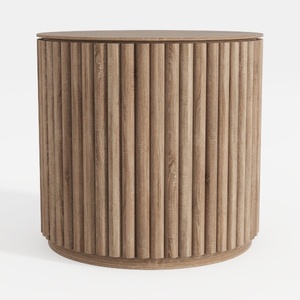

Minimalist Solid Wood Linen Fabric Three Seat Sofa 3D Model

Minimalist Solid Oak Linen 3 Seater Sofa 3D Model
Homestyler is an outstanding platform for anyone looking to design their home effortlessly. With its user-friendly online design tool, stunning 3D renderings, diverse design projects, and informative video tutorials, you'll have everything you need to turn your creativity into reality. Start your design journey today!
Diseño ahora GRATIS
































