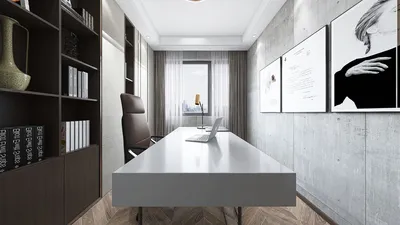


Walking into an empty rental sometimes presents surprises, like encountering a toddler's artistic chaos on the living-room wall, which I had to transform into a selling point in just two days. I always advise my clients: smaller spaces and empty homes demand clear decisions, and that’s where creativity shines. Using tools like Homestyler can enhance this process.
When a rental property is unoccupied, the choice of paint significantly influences the speed of turnover, perceived value, and the rate at which you can rent or sell. My approach often begins with visualizing potential paint schemes in 3D. This way, everyone involved can grasp the final look before any actual painting begins.
1. Utilize neutral colors to expedite rentals
Neutral shades like warm greiges, soft beiges, and light greys are invaluable assets for vacant homes. They attract a broad audience, photograph beautifully for listings, and effectively conceal minor wear compared to stark whites.
However, excessive use can lead to a dull atmosphere, so I recommend adding texture through rugs or choosing matte finishes. A budget-friendly tip: investing in quality mid-range neutral paint often proves more durable than cheaper alternatives, saving on repainting in the long run.
save pin
2. Implement accent walls to define spaces
Opting for a single accent wall in living rooms or bedrooms helps delineate areas without overwhelming the entire house with bold colors. This creates an appealing focal point for listing photos, and contractors can easily tape and paint a wall within an hour.
Caution is essential with extreme colors—deep navy or forest green may render a room outdated or make it feel smaller. A softer muted accent or a washable satin finish provides a balance of style and maintenance.
save pin
3. Choose durable finishes for rental units
For rental properties and vacant units, eggshell or satin finishes are ideal because they offer easy cleaning and touch-ups after tenants move out. These finishes resist fingerprints and general wear better than flat paints, which minimizes downtime between tenants.
The trade-off lies in the sheen: higher sheens can highlight imperfections, so preparation is key. A quick sanding and a quality primer yield a professional-looking final coat without exceeding the budget. When it comes to kitchens, I like to align color choices with the layout, especially when appliances or cabinetry have noticeable undertones. Early consideration of kitchen color flow can prevent costly repaint jobs later.
save pin
4. Tricks to visually enlarge small rooms
In cozy bedrooms or studio apartments, strategic paint can manipulate perceptions of size: painting the trim the same color as the walls creates visual depth, while a slightly lighter ceiling can elevate the room. Utilizing vertical stripes on narrow walls can subtly elongate the space if applied thoughtfully.
A slight obstacle is ensuring color consistency—lighting can dramatically alter color perception. Testing samples on various walls and viewing them at dusk acts as inexpensive insurance against unflattering listing photos.
save pin
5. Enhance curb appeal with effective outdoor updates
Chipped exterior paint, a worn front door, or peeling trim can indicate neglect and tarnish first impressions. A refreshed coat on the front door, touch-ups on rear trims, and painting porch railings can significantly boost perceived value at minimal cost.
Practical weather conditions are crucial—aim for fair weather with low humidity for quick jobs. If managing multiple vacancies, coordinate exterior improvements with cleaning and staging to ensure the properties hit the market looking seamless and ready for new occupants. Additionally, consider simple floor and space adjustments through advanced space planning, perhaps utilizing tools like Homestyler.
save pin
FAQ
Q1: Which colors are most favorable for renting vacant houses?
Warm neutrals and soft greys tend to attract the largest pool of potential tenants due to their versatility and consistent appearance in photographs. It’s wise to steer clear of polarizing colors unless the market specifically prefers trendy palettes.
Q2: What is the optimal paint finish for rental properties?
Eggshell or satin finishes provide a balance between durability and aesthetics, making them easy to clean and touch up between tenants. High-gloss finishes work well for trim but can expose flaws on large surfaces.
Q3: How frequently should a vacant rental be repainted?
This varies based on wear: borderline cases may require a refresh every 2 to 4 years, while properties with high turnover might need touch-ups after each tenant vacates. Targeted touch-ups can help avoid a complete repaint.
Q4: Is it possible to repaint a vacant house myself to save costs?
Yes, it’s feasible, but consider factors like time, equipment, and preparation. DIY can work for simple refreshes; however, if structural issues arise or if lead paint is a concern, hiring a professional is advisable.
Q5: How should I approach lead paint in older vacant homes?
If constructed before 1978 in the U.S., assume lead presence and adhere to EPA lead-safe practices. For comprehensive information, visit the U.S. EPA’s guidelines on lead.
Q6: What’s the fastest way to make a vacant home look move-in ready?
Thorough cleaning, repairing obvious damage, applying neutral paint to heavily marked walls, and updating the front door or lighting can significantly enhance appearance. Good photos taken after these steps can greatly improve listing attractiveness.
Q7: How much should I budget per room for repainting between tenants?
Basic repainting costs for a medium room with primer and mid-range paint usually fall within a reasonable budget; expect higher expenses for extensive prep work. Collect a few quotes from local providers for a clearer perspective on costs in your area.
Q8: Do color trends influence rental properties?
While trends can help in upscale markets, for most vacancies, timelessness and neutrality are preferable. Consider utilizing trend colors in accessories rather than on walls, allowing for economical updates down the line.
save pin
Homestyler is your go-to online home design platform! With an easy-to-use design tool, stunning 3D renderings, diverse design projects, and helpful video tutorials, you can effortlessly create and visualize your dream home. Perfect for both beginners and seasoned DIYers!
Design Now for FREE
































