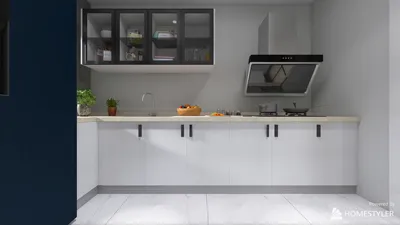


I still chuckle at the instance when I sprayed a wall without masking the baseboards, unintentionally creating a subtle ombré effect on the skirting board—a hard lesson learned. When it comes to paint spraying in tight apartment spaces, you want effective solutions rather than trial and error. That's why I invariably consult my preferred planning case before preparing the area; visual planning with tools like Homestyler helps save both time and potential hassle.
1. Transform a closet into a mini spray booth
One of my favored strategies for smaller projects involves converting a walk-in closet or a spacious wardrobe into a temporary spray booth. By hanging plastic sheets, introducing a box fan for ventilation, and safeguarding the floor, I achieve surprisingly effective overspray control while keeping the rest of the apartment pristine.
This method is cost-effective and quick, though it's crucial to monitor ventilation and odors; you'll need to allocate some downtime for adequate drying and airing out.
2. Opt for a low-pressure sprayer to create subtle textures
Low-pressure HVLP sprayers provide a silky finish that's ideal for interior walls, particularly when you aim to sidestep the undesirable 'spray puddle' appearance. I've utilized one in a compact living space, and even with minimal masking, the outcome appeared professionally done.
While this approach covers less space than high-pressure guns, it's wise to budget extra time to enjoy the superior finish and minimal touch-up requirements.
3. Pre-paint with rollers for challenging areas
When tackling older walls with uneven plaster, I frequently begin with a thin primer coat using a roller before applying the topcoat. This hybrid technique conserves paint, decreases the number of spray passes, and delivers a more uniform finish with just one coat—particularly beneficial in rental properties.
Although it adds an extra step, it minimizes overspray and the risk of inconsistent sheen later, which surprisingly holds more importance than many realize. On tight-kitchen projects, I've combined this strategy with layout planning in Homestyler to protect furniture and appliances during the process.
4. Mask thoughtfully, not excessively
Masking materials such as tape, paper, and drop cloths are essential, but overdoing it can consume valuable time. I focus on masking edges, trim, and textured items; for larger flat surfaces, I rely on distance and technique. In a narrow corridor, I learned to only mask critical seams and manage the spray angle—reduced fuss, yet achieving the same results.
The downside here is that it demands confidence and a steady hand; if you're unsure, it’s best to mask a bit more until you feel comfortable with your spray discipline.
5. Blend using feathering and quick back-rolling techniques
For difficult transitions, I feather the spray at the edges and quickly back-roll lightly to merge the texture with the surrounding wall. It’s akin to a dance—spray, feather, roll—but it ensures consistent sheen and texture across patches, which is invaluable in small connected areas.
This method requires precise timing and practice; I once ruined a panel by rolling too late, but after several attempts, it evolved into my go-to technique. For larger projects, I've even explored AI-enabled solutions to visualize color transitions before fully committing, like those offered in Homestyler.
FAQ
Q1: Is spray painting faster than rolling for walls? While spray painting can be quicker for expansive, seamless walls due to its rapid coverage, the setup, masking, and cleanup process can mean that for smaller tasks, rolling may ultimately save time. Choose based on wall size and how much prep you're willing to endure.
Q2: What type of sprayer is optimal for interior walls? For interior projects, I generally endorse an HVLP or low-pressure sprayer for a smoother finish and minimized bounce-back. These deliver excellent coverage while reducing overspray compared to higher-pressure systems.
Q3: What are the best practices for ventilation when spray painting indoors? Always establish cross-ventilation using a window fan to exhaust air outward; don an N95 mask or respirator, and allow sufficient time for fumes to dissipate. For comprehensive renovation guidance on safe practices, refer to the EPA’s recommendations concerning dust and fume control (https://www.epa.gov).
Q4: Can I spray paint over wallpaper? Yes, provided the wallpaper is primed and sealed, but rough texture and adhesive could lead to issues. I typically advise stripping or at least priming before attempting to avoid adhesion and finish complications. Testing a small section first is wise.
Q5: How can I prevent orange peel and drips? Maintain movement of the spray tip, ensure consistent distance, and employ light overlapping passes; adjust pressure and tip size based on your material. Lightly back-rolling while the coat remains wet can help flatten any minor texture issues.
Q6: What essential prep materials should I have? High-quality masking tape, plastic sheeting, drop cloths, a decent respirator, and a box fan for exhaust are staples in my arsenal. Cutting corners on any of these can lead to mistakes and extra touch-ups.
Q7: Is spray painting a good option for DIYers? Absolutely! With practice on scrap panels and proper personal protective equipment, most DIYers can achieve excellent results. Begin with primer and hone your feathering techniques before moving to visible walls.
Q8: How long should I wait before re-entering a freshly sprayed room? Light foot traffic is typically safe after 24 hours, depending on the type of paint and ventilation; for full curing and odor dissipation, it's best to wait 48 to 72 hours if possible. Always adhere to the paint manufacturer's recommended cure times for optimal results.
Homestyler is your go-to online home design platform! With its user-friendly design tool, stunning 3D renderings, a wealth of inspiring design projects, and helpful DIY video tutorials, transforming your space has never been easier or more enjoyable. Unleash your creativity today!
Desain sekarang Gratis
































