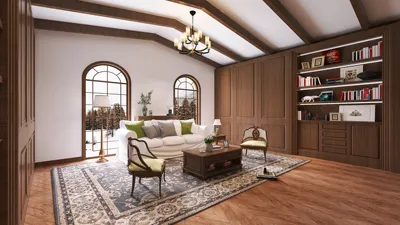


I once decided to paint a small living room ceiling navy, inspired by a client's belief that it would evoke a starry sky. The result was breathtaking until our first dinner gathering, when everyone had to duck to avoid hitting their heads on the lintel. This experience highlighted for me how paint can dramatically alter the perception of space, reinforcing the importance of conducting a preliminary room layout review before finalizing a color choice. In compact areas, being clear about your vision becomes essential, and that clarity can ignite your creativity.
Compact spaces often encourage bold design choices. Here, I will present five effective paint color strategies that I personally implemented in various projects. I’ll explain why they are successful, outline some potential trade-offs, and share straightforward advice on how to test these ideas in your own home.
1. Warm off-white as a foundational color
I love to start with a warm off-white—imagine a cream with a hint of yellow—for its ability to illuminate walls without feeling sterile. This versatile color pairs beautifully with furniture and textiles, reflects light efficiently, and is budget-friendly when you're seeking a neutral base.
The downside: too much beige can result in a monotonous atmosphere, so I typically introduce a mid-tone sofa or a textured rug to infuse personality into the space.
save pin
2. Cool gray with a vibrant accent wall
Applying a cool gray to three walls and a deep charcoal or navy on the focal point creates depth and drama without overwhelming the area. For instance, I used this method in a 30 square meter apartment to anchor a TV wall, which visually expanded the room and enhanced the flow of movement.
The challenge: be mindful of lighting—LEDs with overly warm hues can cause cool grays to appear muddy, so it's advisable to test swatches under your actual lighting conditions.
save pin
3. Soft pastel wash for a serene ambiance
Light greens or soft blues are my preferred selections when clients seek a tranquil aura without going clinical. These colors bounce natural light beautifully while adding a subtle, contemporary character—perfect for small living rooms that also serve as home offices or reading areas. I frequently use a free floor plan tool like Homestyler to sketch out ideas and assess how colors will interact with the furniture arrangement.
However, these shades can seem washed out if overused, so I tend to combine pastels with warm wood accents or brass elements to maintain a grounded palette.
save pin
4. Two-tone walls to alter proportions
Painting the lower third of the walls a slightly darker shade than the upper sections creates an illusion of higher ceilings and invites a sense of grounding. This simple optical trick has proven effective with many clients. While the effect may seem subtle in photographs, it’s quite striking in person, especially when the dividing line is perfectly straight and accentuated by a semi-gloss trim that catches light.
Caution: if the line is careless, it can spoil the entire effect, so it’s wise to use painter’s tape carefully or hire a professional for immaculate results.
save pin
5. Contrasting trim and ceilings for instant elegance
The trim and ceilings deserve attention too. A soft off-white ceiling paired with a slightly warmer wall color, or vice versa, enriches the space and adds a multilayered feel. For one project, I opted for a tinted white for the trim instead of a stark bright white, which enhanced the room's coziness without sacrificing brightness.
Minor drawback: ensuring matching finishes (matte versus eggshell) may require a brief discussion with your contractor, but the result is a polished appearance that makes the area look larger and more refined.
Practical tip: always create large paint samples and monitor how they look in the morning and evening light over a couple of days. In small areas, subtle shifts in color temperature become pronounced quickly.
If your living room connects to a kitchen, consider treating both spaces as a single canvas—maintaining consistent undertones allows for a seamless flow throughout the area. When making open-plan changes, I often coordinate colors using a kitchen layout planner, such as Homestyler, ensuring the color scheme harmonizes between spaces.
save pin
FAQ
Q1: What are the best paint colors for a compact living room?
A: Light warm neutrals, pale blues, soft greens, and gentle grays are ideal choices as they reflect light and create an open atmosphere. Opt for colors with lower saturation and test samples on multiple walls.
Q2: Should ceilings be lighter or darker than the walls in a small room?
A: Generally, lighter ceilings help create a feeling of height, but a slightly darker ceiling can foster a sense of coziness. Only choose a darker ceiling if the room is well-lit or if you're aiming for a cocooning effect.
Q3: How can I experiment with paint without making a commitment?
A: Purchase sample pots and paint two-foot squares on different walls to observe how they look at various times of the day, taking photos under regular lighting for later comparisons. Testing small areas is much easier than repainting the entire room.
Q4: Will cool or warm colors make my room appear larger?
A: Both options can be effective—cool colors (like blues and greens) tend to recede visually, making walls feel further away, while warm neutrals reflect light in a welcoming way. The trick is to maintain lightness and low saturation.
Q5: Can I incorporate bold accent colors in a compact living room?
A: Absolutely—when used sparingly on one wall, door, or a piece of furniture, bold accents can infuse character without overwhelming the space. I suggest balancing these with neutral textiles for harmony.
Q6: How significant is the impact of lighting on paint color?
A: It has a significant effect—natural light, bulb temperature, and window orientation all influence how a color appears. Sherwin-Williams indicates that the light source and the room's surface area can alter perceived colors, so always view samples in context (source: https://www.sherwin-williams.com/).
Q7: Are matte or satin finishes preferable for small rooms?
A: Matte finishes conceal wall imperfections and provide a soft appearance in small spaces, while satin or eggshell finishes reflect a little light and are easier to clean. For a well-balanced result, choose matte for the walls and satin for the trim.
Q8: How can I coordinate paint colors with furniture and rugs?
A: Select an undertone from a dominant textile—if your rug features warm brown undertones, choose a wall color that shares similar warmth. I frequently create a palette sample board to explore combinations before purchasing paint.
save pin
Discover the ease of home design with Homestyler! This user-friendly platform offers a powerful online design tool, stunning 3D renderings, and a wealth of DIY video tutorials. Whether you're a novice or a pro, Homestyler inspires creativity and helps you bring your dream home to life effortlessly.
Progetta ora GRATIS
































