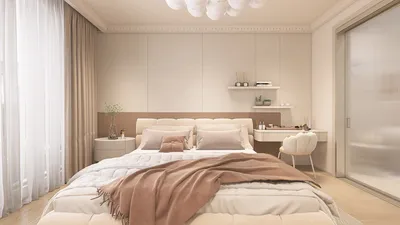


Once, while working with a client, I painted their front room in a lovely 'latte' color, only to discover that their cherished cat absolutely despised the shade, causing it to hide away for an entire week. This taught me an important lesson: paint swatches alone don't convey the complete picture. I always advise my clients to live with samples for a few days and to visualize the space from various angles before making a final decision. Small front rooms can inspire immense creativity, and in this article, I will share five effective paint color ideas for front rooms, drawing insights from actual projects, all while incorporating tools like Homestyler for visualization.
Soft neutrals with a warm accent
I enjoy beginning with a soothing base color, such as greige or warm off-white, and enhancing it with a terracotta or warm ochre accent wall behind the sofa. This combination feels timeless and allows art and textiles to stand out beautifully. Additionally, this approach offers flexibility and increases resale potential; however, to avoid a bland appearance, it's crucial to introduce texture — think linen curtains or a woven rug to complement the palette. Using Homestyler, one can easily visualize these design choices before implementation.
save pin
Deep moody blues for depth
Transforming the entire room with a deep navy or indigo can instantly create a cocoon-like effect that feels remarkably modern. Such colors can amplify the perception of depth in small front rooms, especially when paired with warm lighting and lighter trims. However, there is a practical downside: darker hues tend to show dust more readily and require stronger lighting; therefore, it's advisable to sample colors during dusk and to utilize 3D tools like Homestyler to assess how tones behave under varied lighting conditions if uncertainty arises.
save pin
Two-tone walls for visual interest
Consider splitting the wall horizontally, painting darker tones on the lower half while reserving lighter shades for the upper section, or highlight a focal wall with a complementary shade. This method is cost-effective, requiring quality paint for just one section and helping to visually anchor furniture. The main challenge lies in precise measurements and clean lines; employing a laser level and high-quality painter’s tape can help achieve a professional finish even on a limited budget, making the process seamless when paired with design tools like Homestyler.
save pin
Sage and soft greens for calmness
Colors like sage, seafoam, or muted olive impart a subtle connection to nature without being overly obvious. I recently used sage in a narrow front room and the effect was captivating; the color appeared differently throughout morning and evening hours. I advised the homeowners to observe the samples over the course of a day to appreciate the shifts. Green works harmoniously with wooden tones and brass accents, though it’s essential to be aware of blue versus yellow undertones when selecting hues — utilizing Homestyler can aid in this decision-making process.
save pin
High-contrast trim or a ceiling pop
If you desire drama without repainting every wall, consider painting the trim in black, a deep charcoal, or even a vibrant color, or opt for a colored ceiling in blush, teal, or light terracotta. This bold choice can elevate a basic palette remarkably. Occasionally, I consult tools for color suggestions, including those from Homestyler, but ultimately the eye must judge how samples appear in your unique lighting conditions.
save pin
FAQ
Q1: What are the ideal paint finishes for a front room?
My top choices are eggshell or satin; these finishes are easy to clean and provide a subtle sheen that effectively conceals imperfections better than flat paints while being less reflective than semi-gloss options.
Q2: How many paint samples should I consider?
It’s always best to test at least three options — your selected shade along with two neighboring tones from the same color family. Place large swatches on different walls and assess them in both morning and evening light for the best evaluation.
Q3: Will using dark colors make a small front room feel smaller?
They have the potential to do so; however, when applied thoughtfully — such as on an accent wall, ceiling, or utilizing strategic lighting — darker shades can enhance depth and coziness rather than making the space feel cramped.
Q4: Are two-tone walls considered outdated?
Not at all! A clean horizontal split or a modern color-blocking trend can feel fresh when combined with contemporary furniture and streamlined trims.
Q5: How do I determine the best undertones?
To identify undertones, compare swatches side by side in natural light; warm undertones lean towards yellow or ochre, while cool undertones trend towards blue. Keep in mind other materials (wood, tile) to ensure undertones create a harmonious blend.
Q6: Any budget-friendly tips for refreshing a front room?
Concentrate on painting the focal wall or trim, swap out textiles like cushions and curtains, and introduce a statement lamp. Small adjustments can provide a complete refresh without breaking the bank.
Q7: Where can I find expert color trend insights?
The Pantone Color Institute is an excellent resource for seasonal trend reports and insights; they publish annual palettes and discussions that many designers utilize when forecasting trends (visit pantone.com for details).
Q8: Should I consider hiring a professional, or is DIY sufficient?
If you're comfortable with preparation and taping, DIY can be achievable and cost-effective. For complex two-tone lines, ceilings, or if you require expert color advice, hiring a professional is worth it to ensure a flawless result.
save pin
Discover Homestyler, the ultimate online home design platform! With its user-friendly design tool, stunning 3D renderings, and a wealth of DIY video tutorials, you can easily create and visualize your dream space. Transform your home design ideas into reality today!
Progetta ora GRATIS
































