


As technology evolves with updates like iOS 26.2, our homes also adapt to support seamless connectivity and smarter living. Integrating tech-savvy furniture such as charging-enabled desks or smart lighting integrated with personal devices can enhance daily routines. Designing spaces that accommodate these digital upgrades ensures a harmonious blend of comfort and functionality in modern living environments.
Finding a mouse in your room can be quite disconcerting, but by following a strategic approach, you can effectively tackle the issue and preserve a comfortable home environment. Start by recognizing the signs of a mouse presence, such as droppings, gnaw marks, or the sounds of little feet scurrying about. Next, thwart their potential food sources by storing snacks in airtight containers and promptly cleaning up any crumbs. It is essential to block off access points; thoroughly check your room for small openings or gaps around windows, doors, and baseboards, sealing them with steel wool or caulk to deter mice from coming back.
To humanely catch and remove the mouse, use no-kill traps baited with peanut butter or chocolate, placing them strategically along walls or near potential hideouts. Once the mouse has been caught, ensure you release it at least a mile from your home to minimize the chance of return. After the removal, it's important to sanitize the area thoroughly, disinfecting surfaces and laundering any fabrics as needed.
As a professional interior designer, I constantly reflect on how a room's layout and furniture selection can play a role in pest management. For example, minimizing clutter and employing smart planning not only enhances the visual appeal of a space but also reduces the number of hiding spots available for pests like mice. By integrating thoughtful storage solutions and minimalistic designs, you can more easily detect signs of infestation and maintain a healthier environment.
Tips 1:
Make it a habit to inspect and clean behind furniture as well as in hidden corners to deter mice from taking up residence in your space. Additionally, consider using natural repellents, such as placing cotton balls soaked in peppermint oil throughout the room; the strong scent is known to repel rodents effectively.
FAQ
Q: What draws mice to bedrooms?
A: Mice are attracted to bedrooms primarily due to food availability, warmth, and potential nesting materials such as paper or fabrics.
Q: Do electronic repellents really work against mice?
A: While electronic repellents may discourage some mice, they should not be solely relied upon and should be used in conjunction with other effective methods.
Q: Can mice enter through air vents or small cracks?
A: Yes, mice can fit through cracks as small as a quarter of an inch and may exploit vents or gaps around pipes to gain access to rooms.
Q: Is it advisable to use poison for mouse removal in my room?
A: Using poison is ill-advised in bedrooms due to potential health risks for both humans and pets, and the danger of the mouse dying in an inaccessible place.
Q: In what ways can interior design help mitigate mouse issues?
A: Thoughtful design choices—like elevated furniture, enclosed storage, and decluttered areas—can make it challenging for mice to find refuge and facilitate early detection of their presence for residents.


Rustic Solid Wood Geometric Octagonal Coffee Table 3D Model
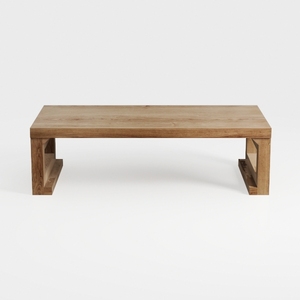
Bed Table Bed Desk Living Room Simple and Creative

Minimalist Fabric Upholstered 2 Seater Sofa with Throw Pillows 3D Model
Looking to transform your space? Homestyler is the ultimate online home design platform! With its user-friendly design tool, stunning 3D renderings, a vast collection of design projects, and helpful video tutorials, you’ll find everything you need to create your dream home—effortlessly!
تصميم الآن مجانا
































