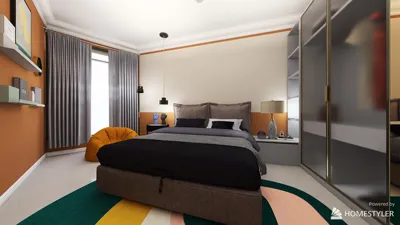


I once embarked on a mission to scrape textured paint off a wall in my small city apartment, only to end up wearing more paint than I removed—true story! This endeavor was part of my kitchen renovation, and I quickly learned that while textured paint can cleverly disguise flaws, it is quite tenacious when it comes to removal. Working within compact spaces can ignite immense creativity, prompting me to explore five effective methods that have proven beneficial for both my projects and clients.
1. Sanding (Wet or Dry) with a Pole Sander
When dealing with lighter textures, sanding remains the simplest choice. I typically start with an 80–100 grit sandpaper to level the peaks before transitioning to a finer 150–220 grit for smoothing. Wet sanding helps minimize dust, a significant advantage in small homes, though it does require more time and may reveal hidden imperfections in the drywall underneath.
Advantages: low cost and predictable outcomes. Drawbacks: labor-intensive and can generate considerable dust unless you opt for wet sanding or use a dust-collection sander. From personal experience, I recommend renting a pole sander for larger wall surfaces—your shoulders will definitely appreciate it!
2. Skim Coating with Joint Compound
For walls with heavy textures or numerous repairs, skim coating is often my go-to approach. By applying a thin layer or two of drywall joint compound, you can achieve a leveled surface that acts as a fresh canvas. I once transformed a rental bedroom with a quick skim coat overnight, followed by some light sanding the next day—effective and nearly foolproof.
Advantages: conceals imperfections and provides a professional appearance. Disadvantages: requires drying time and some skill in sanding. Budget-friendly tip: skim coating is generally less expensive than replacing the entire drywall while delivering an excellent finish for repainting.
save pin
3. Chemical Paint Strippers for Stubborn Texture
For particularly stubborn textured paint, chemical strippers can be a game changer. I prefer gel strippers for vertical surfaces to avoid messy drips, ensuring that I equip myself with gloves, goggles, and proper ventilation. After conducting a test patch, I gently scrape the paint off and neutralize the area according to the product's guidelines.
Advantages: highly effective against tough paint layers; Disadvantages: messy, often unpleasant odors, and requires careful disposal. When revisiting larger remodeling plans, I find it helpful to showcase clients before-and-after visuals, aiding them in understanding if removing or covering the texture is the better option.
save pin
4. Heat or Steam to Soften Texture
Employing heat guns or steamers can effectively soften textured paints, making them easier to remove. However, caution is critical—excessive heat can harm drywall paper and is unsafe near combustible materials or plastics. I've successfully used steamers on an old mudroom wall where sanding proved impractical.
Advantages: great for dealing with stubborn textures; Disadvantages: potential surface damage risks, and not suitable for walls painted with lead-based paint or thin drywall. Always ensure you test an inconspicuous area first and keep a fire extinguisher nearby when using heat.
save pin
5. Covering Instead of Removing: New Drywall or Thick Primer
In some cases, covering the texture may be the more sensible approach. Installing a new layer of drywall or applying a high-build primer followed by a finishing coat can drastically save time and money. I recommended this method to a client seeking a quick transformation—new drywall provided a perfect finish and significantly reduced renovation time.
Advantages: offers a speedy visual enhancement with minimal demolition; Disadvantages: increases wall thickness, potentially requiring trim adjustments. If you're considering layout changes after wall coverage, creating a simple floor plan mock-up to ensure that doors and trims remain aligned is wise.
save pin
Tips 1:
Quick checklist: If your house is older, test for lead, always conduct a small patch test, protect your floors and furniture, and prioritize good ventilation. If you're uncertain, consider hiring a professional for the test patch and estimate—I've witnessed DIY attempts escalate into full renovations when lead or water damage is discovered.
save pin
FAQ
Q: How can I tell if my textured paint contains lead?
A: If your home was constructed before 1978, assume it might contain lead. Obtain a certified lead test kit or enlist a professional. As per the U.S. EPA, houses built before 1978 may have lead-based paint and should be tested prior to renovation: https://www.epa.gov/lead.
Q: Is it safe to use a heat gun on any textured paint?
A: Not necessarily—heat can damage drywall and release harmful fumes. It’s best to avoid heat if you suspect lead paint or if your wall is adjacent to any plastic trim or wiring.
Q: Is skim coating more affordable than replacing drywall?
A: Generally, yes, for one or two walls. Skim coating involves less material and less demolition time, but replacing drywall may be preferable if the substrate is damaged or moldy.
Q: How long does a skim coat typically take to dry?
A: The average drying time is 12–24 hours per coat, influenced by temperature and humidity levels. Thinner coats dry more quickly; using a dehumidifier can expedite this in humid climates.
Q: Do chemical strippers eliminate all layers of paint?
A: Most modern gel strippers are designed to remove several layers, but effectiveness varies. Always conduct a patch test and adhere to manufacturer safety guidelines.
Q: Should I sand before repainting after removing texture?
A: Indeed—light sanding following removal or skim coating promotes better adhesion for primer and paint, leading to a smoother finish.
Q: When is it essential to call a professional?
A: Professional help is advisable if you suspect lead, extensive mold or water damage, or if your textured surface conceals any load-bearing elements. Engaging a pro can also help accelerate large jobs while ensuring safety.
Q: Can I simply paint over textured walls as a solution?
A: Painting can visually diminish texture, especially with high-build primers and several finish coats, but it won’t completely erase the texture under bright lighting or upon close examination. For the smoothest result, covering or skim coating is ideal.
save pin
Homestyler is your go-to online home design platform! With its user-friendly design tool, stunning 3D renderings, and a wealth of DIY video tutorials, transforming your space has never been easier. Dive into a world of creativity and let your interior design dreams come to life!
Concevez maintenant gratuitement
































