


Changing the material in a Stratasys F170 3D printer is a simple yet important procedure. Adhering to the outlined steps is crucial for maintaining consistent print quality and preventing clogging or damage. The F170 printer is compatible with various material types, such as PLA, ABS, ASA, and FDM TPU, making it necessary to switch between them depending on the requirements of different projects. Here’s a detailed guide suitable for both novice and seasoned users:
In my capacity as a designer, I emphasize not just the functionality but also the synergy between the materials chosen and the overall design goal. For instance, shifting from ABS to TPU is not merely a technical change—it represents a shift towards parts that are flexible and resilient. Planning your storage and workflow around the materials you choose significantly streamlines the process. If your workspace requires frequent material changes, having an efficient setup enhances your productivity and the quality of your designs, especially when utilizing tools like Homestyler.
Tips 1:
To prevent moisture absorption, always store your filament in a cool, dry place, as this can lead to defects in your prints. Consider implementing material-specific storage solutions or designated cabinets in your workspace to promote maximum efficiency.
FAQ
Q: What materials can I use with the Stratasys F170 3D printer?
A: The F170 is compatible with PLA, ABS, ASA, and FDM TPU filaments, catering to various printing needs.
Q: Is it necessary to purge the extruder when changing materials?
A: Yes, you should always perform a purge to remove any leftover material from the previous print, which prevents contamination during later prints.
Q: How does the printer identify new materials?
A: The Stratasys spools are equipped with RFID tags; upon loading, the printer reads the tag and displays the details of the new material on the interface.
Q: Can I manually adjust settings for third-party materials?
A: The F170 is tailored for proprietary materials, and it does not support manual adjustment for third-party filaments.
Q: Why is proper material storage crucial for 3D printing?
A: Correct storage preserves the integrity of the materials—especially for filaments sensitive to moisture, like PLA and TPU—which is vital for ensuring consistent print quality.


Hymus 100% Solid Oak Wood Desk - Small Writing Des
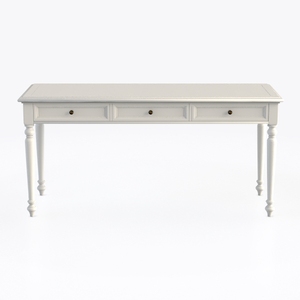
Classic White Solid Wood Three Drawer Writing Desk 3D Model
Discover the power of Homestyler, the ultimate online home design platform! With its easy-to-use design tool, stunning 3D renderings, and a wealth of design projects and DIY video tutorials, you can effortlessly transform your home and unleash your creativity—no prior experience needed!
立即免费设计
































