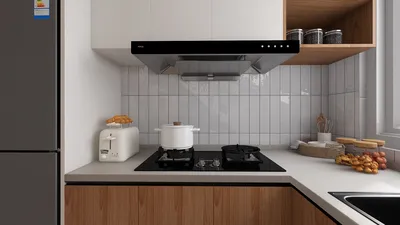


In my experience, a client once believed her kitchen was haunted due to the persistent appearance of tiny black bugs around the sink. Upon investigation, these turned out to be just fruit flies and drain gnats, which a simple layout adjustment alleviated significantly. In compact kitchens, every little flaw is magnified, transforming a small crack under the counter into a thoroughfare for pests. Tiny spaces compel innovative solutions, and here are five practical design and cleanup strategies I've implemented in various projects to deter small black kitchen bugs using tools like Homestyler.
1. Close off moisture-retaining gaps and crevices
In cramped kitchens, the adjacency of appliances and cabinets can create concealed spaces that trap moisture and food particles, turning them into a breeding ground for pests. I suggest applying silicone seals around the sink and along the dishwasher plinth; this cost-effective and quick fix immediately reduces damp hiding spots. However, neglecting this step means bugs may return unnoticed, so treat it as an essential and low-cost ongoing maintenance task.
save pin
2. Optimize under-sink storage for better airflow
Previously, I would jam cleaning supplies under the sink like most people, but I later learned that removing the baseboard and incorporating a small raised shelf significantly improves the situation. Enhanced airflow facilitates quicker drying of the area, discouraging gnats. Although it requires a little time and possibly a small investment for risers, the payoff is fewer encounters with tiny black bugs and more convenient access for checks.
save pin
3. Establish a dedicated area for fresh produce
Leaving fruit on countertops is a primary attractor for small black flies. During a studio makeover, I designed a shallow, airy tray in a sunny location to keep fruit not only visible but also well-aerated. This adds a pleasant touch to the kitchen while preventing spontaneous fruit buildup. The catch? It’s crucial to use this setup regularly; otherwise, bad habits may attract pests.
save pin
4. Implement drains and traps with easy-clean designs
Many of the gnats stem from grimy drains. I recommend using removable drain strainers and suggesting weekly hot water flushes with baking soda. In one renovation, replacing to a removable basket trap resulted in halving a client’s infestation in just two weeks. This small upgrade provides measurable results but requires consistent basic maintenance.
save pin
5. Opt for surface finishes that reveal dirt promptly
I frequently choose matte or textured countertops for small kitchens as they expose crumbs and moisture before they can escalate into larger issues. While this may seem counterintuitive, the visibility of problems prompts earlier action — effectively preventing bugs from establishing a presence. The trade-off is that some finishes may require a bit more effort to achieve a spotless look, but this extra diligence can help thwart infestations.
save pin
Tip 1:
If you're seeking a tool to visualize minor layout changes in your kitchen, give the 3D floor planner a try on my recommended case page, which will allow you to assess cabinet spacing and airflow configuration before making adjustments. Utilizing a planner can help identify possible bug-prone areas without any need for physical alterations.
save pin
FAQ
Q: What are these small black kitchen bugs typically? A: They are usually fruit flies or drain gnats; fruit flies tend to swarm around ripe produce, while drain gnats breed in wet organic matter found in pipes and p-traps.
Q: How quickly can these bugs reproduce? A: Under warm conditions, fruit flies can lay hundreds of eggs and mature into adults within about a week, so prompt action is crucial.
Q: Are pesticides necessary? A: In most cases, no; sanitation, sealing gaps, and removing breeding sites effectively resolve most issues without chemicals.
Q: What home remedies work for drains? A: A weekly treatment of hot water, baking soda, and vinegar, followed by boiling water, can help clear the organic residue where gnats thrive.
Q: Can design modifications significantly lower infestations? A: Absolutely — ensuring proper ventilation, sealed cabinetry, and dedicated storage for produce diminishes attractants and breeding grounds.
Q: When should I consult a professional? A: If issues persist despite cleaning and minor adjustments, a licensed pest expert can help identify less noticeable pest sources.
Q: Is there reliable guidance on kitchen pest control? A: The CDC offers trustworthy information regarding household pests and sanitation practices (Centers for Disease Control and Prevention).
Q: Can a kitchen layout planner assist in preventing pests? A: By visualizing airflow, appliance arrangement, and storage areas through a layout planner, you can pinpoint potential problem zones prior to renovation.
save pin
Homestyler is your go-to online home design platform! With its user-friendly design tool, stunning 3D renderings, a wealth of design projects, and helpful video tutorials, you can effortlessly transform your home into a stylish space—perfect for both beginners and seasoned decorators alike!
Design jetzt kostenlos
































