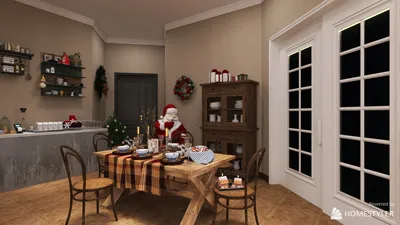


I remember a time when I aimed to impress a new client by setting up a delightful breakfast scene complete with croissants and coffee. However, my efforts were abruptly interrupted by a small roach darting across the counter. I was momentarily frozen, the client chuckled awkwardly, and I took away an expensive lesson: the aesthetics of a space are irrelevant if pests feel comfortable. This experience solidified my belief that designing small kitchens requires strategies that not only enhance visual appeal but also keep these unwelcome visitors at bay. In the following paragraphs, I will share five effective design strategies I have utilized to prevent small roaches from invading kitchens.
1. Seal gaps with trim and silicone
Roaches can easily slip through minute cracks around flooring, cabinets, and backsplashes. After spending a weekend sealing the gaps in a tiny rental kitchen, I saw a remarkable reduction in sightings by about 50% within just a week. Using edge trim, drawer seals, and clear silicone at cabinet joints are not only affordable but also quick fixes that remain largely unobtrusive when executed neatly. The catch is that annual inspections are necessary to touch up caulk that may become discolored or cracked.
2. Choose cabinet toe-kicks and closed plinths
Open toe-kicks provide an inviting hideaway for pests. Switching to closed plinths or installing removable toe-kick panels can deter them while simplifying cleaning efforts. In a recent studio remodel, I opted for removable panels, making maintenance a breeze—just detach them and vacuum whenever needed. Although there is an initial cost, this solution proves to be a tidy and long-term fix.
3. Create a tidy waste zone with sealed bins
Opting for a small covered bin equipped with a pedal lid helps to minimize odors and spills that attract roaches. In one compact kitchen, replacing a flimsy open bin with a sealed stainless steel pedal bin and a slim compost container significantly reduced nighttime activity. It's important to ensure that the bin area is easily accessible for regular emptying. If you decide to place bins behind shallow doors, ensure adequate ventilation to prevent moisture accumulation.
4. Opt for smooth, continuous surfaces
Textured surfaces like grouted tiles and rugged countertops can harbor tiny hiding spots for pests. Whenever possible, I recommend employing large-format, low-porosity materials with seamless edges—think solid-surface countertops paired with continuous splash panels. Not only are these options easier to wipe down, but they also minimize potential harborage areas. Note that some seamless materials might be pricier, but you can balance costs by using them in critical areas while choosing more budget-friendly options elsewhere.
5. Improve airflow and light, and schedule regular deep cleans
Roaches thrive in dark, damp environments. Enhancing ventilation, installing under-cabinet lighting, and conducting routine deep cleans can make kitchens considerably less appealing. I recommend running exhaust fans during cooking, and incorporating motion or strip lighting under cabinets. It’s quite impressive how illuminated baseboards can deter nocturnal pests. However, establishing these routines is key, as these methods work best when combined with regular cleaning practices.
Tips 1:
When planning cabinet arrangements or testing layouts to block pest access, I often utilize a room planner like Homestyler. This allows me to visualize ideas, such as those removable toe-kicks and sealed bin areas, making it easier to spot any potential gaps before starting construction.
FAQ
Q: How do I determine if a roach is a small German roach or from another species?
A: German roaches are small and light brown, sporting two dark parallel stripes behind their heads. For precise identification, refer to resources like the CDC or local extension services for images and additional information.
Q: Are glue traps effective for small roaches?
A: While glue traps can help monitor activity and may catch a few roaches, they are seldom effective on their own in eliminating an infestation. They're best used alongside sanitation and exclusion tactics.
Q: Is it safe to use DIY baits and boric acid in a small kitchen?
A: Boric acid can be effective when applied in thin layers in cracks and behind appliances; however, it should be kept away from children and pets and used sparingly. Bait stations should be positioned out of reach and replaced according to label instructions.
Q: How often should I inspect and caulk seams and toe-kicks?
A: Regular inspections of seams and toe-kicks should be conducted every 6 to 12 months; recaulk as necessary to maintain airtight seals and prevent new entry points.
Q: Is sealing gaps sufficient to stop roaches?
A: Sealing is essential but works best in conjunction with effective sanitation practices, waste management, and moisture control. It's one part of a holistic approach.
Q: Do I need professional pest control for small roaches?
A: If roach sightings continue despite your pest exclusion and cleaning efforts, it's advisable to consult a licensed pest control professional for more in-depth assessment and treatment. Many professionals also provide guidance on long-term prevention strategies.
Q: What ventilation practices can help decrease roach problems?
A: Utilizing range hoods and exhaust fans during and after cooking helps in reducing humidity levels. Address leaks promptly and allow damp cabinets to dry out if moisture is detected.
Q: Where can I find reliable guidance on household pest prevention?
A: The U.S. Environmental Protection Agency (EPA) provides science-based pest management recommendations; refer to their pest resources at https://www.epa.gov/pesticides for trusted insights.
save pin
Homestyler is your go-to online home design platform, perfect for all skill levels. With its user-friendly design tool, stunning 3D renderings, and a wealth of design projects and DIY video tutorials, you can effortlessly create and visualize your dream space. Start designing today!
Desain sekarang Gratis
































