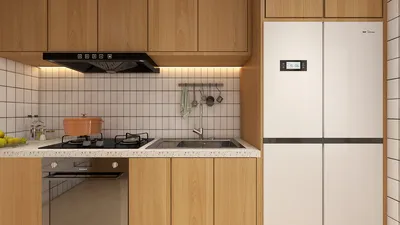


During one of my renovations, I made the mistake of installing magnetic catches on a client's vintage cabinetry without first ensuring that the door alignment was correct. As a result, the doors would pop open during dinner parties, teaching me an important lesson: even minor misalignments in latches can lead to significant frustrations. This experience highlighted the importance of small hardware decisions in enhancing the functionality and atmosphere of kitchens. Particularly in compact spaces, making smart choices about cabinet latches is vital, as every inch of functionality matters. In this article, I will present five effective kitchen cabinet door latch ideas I've implemented in actual projects, along with their advantages, potential drawbacks, and insights gained from ten years of practical experience.
1. Soft-close concealed hinges with built-in latches
I frequently advocate for soft-close concealed hinges that incorporate an integrated latch, ensuring the door remains closed without requiring any additional visible hardware. These not only provide a polished look but also protect delicate finishes and minimize noise from slamming — an ideal choice for families and rental properties. However, it is crucial to note that installation demands precise drilling, and sometimes sturdier cabinet boxes for heavier doors are necessary. A cost-saving tip: consider starting with one or two pairs to ascertain alignment before making a larger investment.
save pin
2. Magnetic catches for subtle visibility
When clients seek discreet solutions, I rely on magnetic catches. These tiny magnets, mounted on the frame, hold the door closed while keeping the aesthetic clean and free from knobs. They are affordable and can be easily retrofitted, but it is worth noting that magnets may lose strength over time and might struggle with heavier doors. For older or warped door models, I often add a secondary mechanical latch to ensure reliability.
save pin
3. Touch-to-open push latches
I am particularly fond of touch-to-open latches for ultra-minimalist, handle-free kitchen designs. A simple push grants a slight release and the door pops open, creating a streamlined and contemporary appearance. These latches shine in smaller spaces where traditional handles might snag on clothing. However, they do necessitate some inner cabinet space for the mechanism, and adjustments may be required over time; heavier doors might also require reinforced springs or additional solutions.
save pin
4. Magnetic touch locks for safety with children
For households with young children, I recommend magnetic child-safety locks that keep kids out while remaining hidden from adult view, as they utilize a magnetic key for access. They are effective, budget-friendly, and do not disrupt the cabinet's exterior. The downside is the necessity of keeping the key readily available and the extra step required for adults; hence, I suggest installing them primarily on lower cabinets, especially those containing hazardous materials.
save pin
5. Classic bolt-style latches for a rustic appeal
For clients who prefer a farmhouse or rustic aesthetic, I sometimes opt for bolt-style or surface-mounted latches that serve as visible design elements. They are durable and easy to install, adding character and charm to the kitchen. However, they can be quite conspicuous and may restrict door alignment; to mitigate this, I carefully select finishes that enhance the overall harmony with other hardware.
If you are looking to swiftly assess cabinet configurations and the impact of different latches on door swings and clearances, utilizing a trusted 3D planning tool can be invaluable. Visualizing these aspects before hardware purchases is instrumental in avoiding installation complications.
save pin
FAQ
Q1: Which type of cabinet latch is the most durable?
A1: Generally, concealed metal hinges featuring integrated latching and full-metal bolt latches stand out as the most durable options, particularly for frequent use.
Q2: Are magnetic catches strong enough for larger cabinet doors?
A2: Typically not by themselves; they work best for smaller or lighter doors or when paired with hinges that maintain proper alignment.
Q3: What space considerations do touch-to-open latches have inside cabinets?
A3: These latches require a few centimeters of clearance for their mechanism and spring action, so it's essential to measure the interior dimensions before implementation.
Q4: Is DIY installation of child-safety magnetic locks possible?
A4: Yes, the majority of magnetic child locks are designed for straightforward installation, but it's crucial to follow the provided instructions and conduct multiple tests for reliability.
Q5: Do soft-close latches require regular maintenance?
A5: Maintenance is minimal — periodic adjustments on the hinges and routine cleaning of mounting surfaces generally suffice to ensure smooth soft-close functionality.
Q6: What hardware finish is ideal for compact kitchens?
A6: Finishes such as matte black or brushed stainless steel work well by camouflaging wear; choose a finish that aligns with your faucets and lighting for a cohesive look.
Q7: How can I visualize latch clearances in 3D before making a purchase?
A7: Many designers utilize 3D planning tools that allow for checking door swing and hardware compatibility; this precaution helps in avoiding the ordering of incompatible components. (For more guidance, check resources available on platforms like Homestyler.)
Q8: Are visible bolt latches considered outdated?
A8: Not at all — when utilized as a design feature, they can inject personality and suit rustic or industrial kitchens, while they do detract from the sleek, seamless look.
Discover your dream home with Homestyler! This user-friendly online design platform offers an intuitive design tool, stunning 3D renderings, and a wealth of inspiring design projects. Plus, with engaging video tutorials, you’ll have everything you need to transform your space effortlessly!
Concevez maintenant gratuitement
































