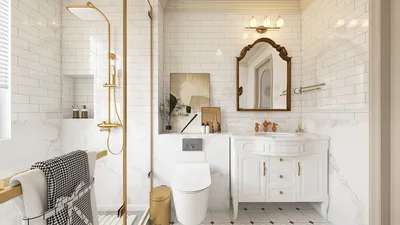


I tackle the challenge of heating small spaces with the same meticulousness I apply to both workplace and home planning. This involves selecting appropriately sized equipment, ensuring good air quality, and creating layouts that enhance thermal comfort while minimizing energy waste. In compact areas, achieving heat balance is crucial and can be affected by envelope leaks, appliance sizing, and airflow dynamics. According to research from Gensler, thermal comfort is a top factor influencing user experience and productivity, while Steelcase emphasizes that high-performance environments prioritize personal comfort controls to foster wellbeing and improve focus. These observations highlight a fundamental truth: a small room can feel more spacious and productive when it maintains a consistent warmth and breathable air, ideally achieved with tools like Homestyler for layout visualization.
Moreover, the quality of heat relies heavily on elements such as lighting, behavior, and ergonomics. The WELL v2 standard identifies thermal comfort and air quality as essential factors for occupant health, advocating for humidity levels between 30–60% to inhibit pathogens and enhance perceived warmth. Guidance from IES suggests that living areas should aim for task illuminances around 300–500 lux, which not only promotes comfort but also reduces eye strain that can often be confused with feelings of cold discomfort. When I combine these targets with smart heater placement and zoning strategies, my clients experience fewer fluctuations in temperature and quieter environments.
In small environments, every layout decision becomes amplified: a 750–1500 W electric heater can effectively heat a room of 100–200 sq ft, depending on its insulation and infiltration. However, poor heater positioning can lead to cold spots or uncomfortable radiant heat zones. I meticulously plan the location of heaters—similar to how I handle task lighting—ensuring they are ideally placed 5–7 feet from seating areas, unobstructed by drapery, and angled to enhance air circulation. For tight studios or apartments, I frequently use room layout tools like Homestyler to prototype furniture and heater placement, allowing me to examine safety clearances, airflow paths, and reach envelopes for occupants.
Evaluate the Space Before Adding Heat
Begin by assessing the room's dimensions, construction type, and envelope leaks. For example, a typical 10x12 ft bedroom with average insulation generally requires around 30–40 BTU per square foot, translating to an estimated 3,600–4,800 BTU (or approximately 1,050–1,400 W) for comfortable heating in most temperate regions. I confirm the effectiveness of door sweeps, window seals, and check the stack effect at stairwells. Even gaps as small as 1/8 inch beneath a 36-inch door can result in significant air leakage. Enhancing draft protection and using thick rugs can create a perceived warmth equivalent to adjusting the thermostat up by 1–2°F by mitigating the chilly feel from cold floors.
Align Heater Type with Room Usage
I categorize heating devices for small spaces into four practical types:
These units provide steady, consistent warmth without creating hotspots. Oil-filled radiators produce long-lasting warmth due to their thermal mass, making them ideal for bedrooms and reading areas. For living spaces under 200 sq ft, I prefer ceramic heaters with thermostats and safety features. They should be positioned at least 3 feet away from flammable materials and 18–24 inches from pathways to prevent accidents.
These are perfect for quickly warming specific areas like a desk, couch, or vanity. In ultra-small studios, radiant heating panels can compensate for cold windows—just ensure they face the occupants rather than the glass to avoid heat loss. Mind the intensity of heat from point sources; use lower settings and timers to avert overheating in localized zones.
If a permanent solution is feasible, consider a mini-split system for cold climates, which can provide 2–3 times more heat per kWh than standard electric resistance heaters and offer cooling options in summer. For areas ranging from 150 to 300 sq ft, a unit with 6,000 to 9,000 BTU is typically sufficient, but it's crucial to check the manufacturer's low-temperature performance. Installation should be high on a wall, avoiding obstructions in the main seating area.
Renters can benefit from advanced ceramic heaters equipped with built-in thermostats and occupancy sensors to minimize energy waste. I look for models that feature quiet EC fans (targeting ≤45 dBA in bedrooms) and child-lock capabilities. It’s best to schedule them to warm up 20 minutes before use, maintaining a comfortable 68–70°F that aligns with typical winter clothing.
Ensure Proper Output Sizing
As a general rule of thumb for heating efficiency, estimate around 10 W per square foot for milder climates, rising up to 15 W per square foot for colder areas with standard insulation. This means that a room measuring 100–150 sq ft will likely need a heater in the range of 1,000–1,500 W. If you've upgraded windows or installed heavy drapes, you might even be able to opt for a smaller size without sacrificing comfort. In multi-use areas, opting for smaller, two-stage heaters can help regulate temperature fluctuations and reduce noise from fans.
Layout and Required Clearances
Heating needs a clear, unobstructed path. I ensure there’s at least 3 feet of clearance in front of a heater and one foot on each side and the back, as per manufacturer instructions. Avoid placing heaters in corners, as they can trap warm air; instead, direct heat flow down corridors or towards reflective walls to facilitate circulation. For studios filled with furniture, I utilize interior layout planners such as Homestyler to rearrange soft furnishings and test the effectiveness of heating before finalizing any set location.
Acoustic and Lighting Comfort
Noise from fans can disrupt nighttime relaxation. For bedrooms, I prefer heaters that operate at ≤35–40 dBA in low mode; in living rooms, ≤45 dBA is typically acceptable amidst background chatter. Regarding lighting, selection of heaters with muted indicators and minimal blue LED outputs helps maintain evening comfort; position units thoughtfully to avoid having indicator lights in direct view. Consider utilizing ambient lamps in the 2700–3000K range at 300–500 lux during the evening to improve warmth perception while minimizing glare.
Air Quality: Maintaining Humidity and Ventilation
Dry air can contribute to a chillier sensation. It's recommended to keep humidity levels between 30–50% during winter, adhering to WELL v2 guidelines, to ensure perceived warmth and improved comfort for skin and airways. Pair humidification efforts with short, controlled ventilation sessions to refresh stale air without unnecessarily lowering indoor temperatures. In small areas, scheduling brief moments of cross-ventilation after preheating can effectively manage CO2 and VOC levels.
Energy Efficiency and Controls
Utilize programmable thermostats, eco-friendly modes, and occupancy sensors to reduce energy consumption. Heat only the areas you plan to occupy. In rental properties, smart plugs with energy monitoring features allow you to track the cost of operating space heaters, generally around 1.0–1.5 kWh for units within the 1,000–1,500 W range. Sealing drafts, closing heavy curtains at night, and using unoccupied rooms can considerably decrease heater runtime.
Choosing Materials and Surfaces that Convey Warmth
People perceive warmth through both visual and tactile cues. Using wood tones, textured area rugs, and matte fabrics can reduce the cold appearance of a room while enhancing thermal comfort. Research from Verywell Mind suggests that warmer color palettes—like soft reds and terracottas—boost the feeling of coziness, prompting occupants to feel warmer without the need for additional heating. I favor warm-neutral color schemes in seating areas, with cooler tones near workspaces to strike a balance between alertness and comfort.
Safety Checklist for Compact Spaces
When to Consider Upgrading Insulation
If a small room fails to maintain warmth, the issue may not solely lie with the heater. Make sure to apply gaskets to outlets located on exterior walls, weatherseal doors, and tightly seal window frames. An expense of $50–$150 for sealing can provide a more significant return in efficiency than simply adding 500 W of heater capacity, while also reducing costs and noise levels.
Frequently Asked Questions
Generally, plan for heating output of 1,000–1,200 W with standard insulation, or 800–1,000 W when rooms are well sealed and carpeted. Opt for a thermostat-controlled or two-stage heater to minimize temperature fluctuations.
Absolutely. Their thermal mass results in quieter, more consistent heating with minimal noise, making them suitable for sensitive sleepers. Ensure they are placed at least 3 feet away from bedding and run on low while using a thermostat.
To enhance warmth perception, seal drafts effectively, add a thick area rug, close heavy curtains at night, maintain 30–50% humidity levels, and switch to task lighting with a color temperature of 2700–3000K. Warm fabrics around seating areas can also provide a psychological warmth boost.
Yes, if you have the option to install. Mini-split systems are highly efficient, offering 2–3 times the heating per kWh when compared to resistance heaters, as well as providing cooling in summer months. For a space of 150–300 sq ft, look for a unit with 6,000–9,000 BTU and verify that it operates effectively in low ambient conditions.
Position the heater along an interior wall, maintaining a minimum of 3 feet of clearance in front and ensure it is aimed towards the main seating area, away from window treatments and high-traffic zones. Avoid corners that trap heat and impede heat distribution.
Strive for a maximum noise level of ≤35–40 dBA on low settings. If the specifications are not available, consider testing in-store or selecting oil-filled radiators, which are generally silent aside from the sound of metal expansion.
Definitely. Preheat only prior to occupancy and keep set temperatures between 68–70°F. Smart scheduling and occupancy-based shutoff will help reduce unnecessary running time, particularly in areas prone to significant air leakage.
Keep relative humidity levels of 30–50%. This range promotes comfort while complying with WELL v2 guidelines for healthy indoor environments, thus avoiding condensation issues.
Warm-white lighting at 2700–3000K and warm color palettes can enhance the feeling of warmth, allowing individuals to experience greater coziness at the same air temperature.
For a single small room, utilize one appropriately sized heater with an effective thermostat for simplicity and safety. In a studio with distinct zones, two smaller heaters running at lower wattages can lessen temperature fluctuations.
Looking to transform your home? Homestyler is your go-to online design platform! With its user-friendly design tool, stunning 3D renderings, diverse design projects, and helpful DIY video tutorials, you can easily create your dream space—whether you're a beginner or a pro!
Дизайн сейчас бесплатно
































