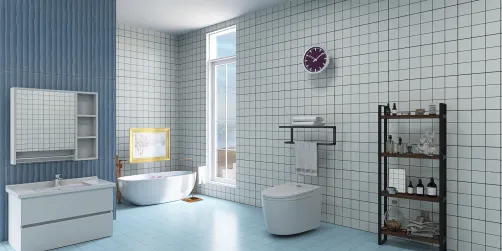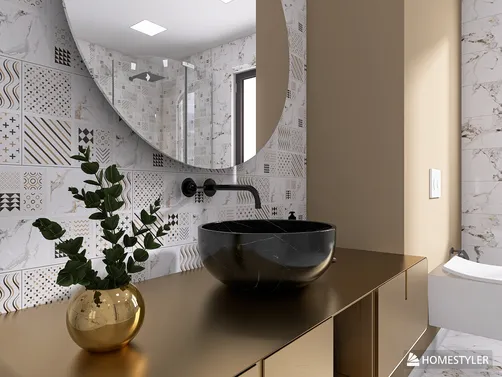


A client once shared their experience attempting to flambé in a cramped kitchen, only to end up with grease on the walls that resembled a buttered toast surface — a true story! This taught me, through a few embarrassing DIY failures, how grease can stubbornly stick to painted walls, particularly in small areas where every detail matters. If you’re looking for quick cleaning solutions that won’t damage your paint, consider this initial suggestion: explore a kitchen layout case study to understand how strategic placement and appropriate backsplashes can help prevent messy situations.
1. Mild Dish Soap and Warm Water
I typically start with a simple mixture of dish soap and warm water. Using a gentle sponge, I dab lightly instead of scrubbing vigorously — that’s the quickest route to losing the paint's luster. This method is cost-effective, gentle, and often effective for removing recent grease, but older, baked-on stains may require a different approach.
save pin
2. Baking Soda Paste for Gentle Abrasion
Mixing baking soda with a small amount of water creates a light abrasive that effectively lifts grease without the need for harsh chemicals. Using a microfiber cloth, I apply it with a circular, gentle motion; while it may take some effort, it usually won’t damage quality paint. Inexpensive and readily available, be sure to test it on a hidden area first, as very matte finishes can be sensitive.
save pin
3. White Vinegar Solution for Cutting Oil
A combination of equal parts white vinegar and water (or a stronger vinegar solution for tougher stains) can effectively eliminate oil. A key tip I’ve learned is to thoroughly rinse with plain water afterward to eliminate any vinegar residue, then dry the area. This method works well on semi-gloss and satin finishes, but avoid it on freshly painted surfaces for up to 30 days.
save pin
4. Melamine Sponge (Magic Eraser) — Use Lightly
Although melamine sponges seem like a miracle solution, they possess mild abrasiveness. I use them for spot cleaning small greasy areas with very gentle pressure; they can often remove stains that soap missed. They’re fantastic for rental spaces, but overuse may dull the finish slightly, so I recommend limiting their application to problematic areas and testing first.
save pin
5. Paint-Safe Commercial Degreasers and Final Touches
For those kitchen high-traffic areas, a paint-safe degreaser or an alternative to TSP can effectively clean walls without damaging the paint—just ensure you follow the instructions on the label and rinse thoroughly. I also advise keeping a small touch-up paint sample and a soft cloth handy; often, the quickest fix involves a tiny dab of paint after cleaning. To enhance prevention, reevaluate your backsplash choices or consider consulting a 3D visualizer like Homestyler when designing small kitchens to limit exposed paint surfaces.
save pin
Extra Tips and Budget Notes
Always test in a hidden area before addressing the entire wall. Start with the gentlest method (like soap) and work your way up. For those on strict budgets, baking soda and vinegar serve as excellent cleaning agents; if your goal is to sell, a mild commercial product along with a quick touch-up provides a polished appearance. For design solutions that minimize future messes, consider checking an AI home design showcase to find innovative layouts that keep grease-prone zones contained.
save pin
FAQ
Q1: Will dish soap remove old, baked-in grease?
Dish soap typically removes fresh grease; however, baked-on residue may necessitate the use of baking soda or a commercial degreaser. Patience is key, and it’s advisable to repeat the cleaning process gently rather than scrubbing aggressively.
Q2: Can I use vinegar on all paint types?
Vinegar is safe for most cured satin and semi-gloss paints, but it’s important to test it first; avoid using it on very new paint or delicate matte finishes.
Q3: Is a melamine sponge safe on painted walls?
Yes, melamine sponges are safe for spot cleaning, but remember they are mildly abrasive; use gentle pressure and test it on a discreet area to prevent dulling the finish.
Q4: What should I avoid that will definitely strip paint?
Steer clear of strong solvents such as acetone or undiluted paint thinners, as well as aggressive scrubbing techniques. These methods can weaken or remove paint layers swiftly.
Q5: How do I know if a commercial degreaser is paint-safe?
Look for products specifically labeled as "safe for painted surfaces," and follow the manufacturer’s instructions closely; always rinse thoroughly and patch-test before extensive application.
Q6: How long after painting can I clean grease from my walls?
Most paints require a curing time of about 30 days; gentle cleaning post-curing is the safest option. For specific guidance on paint care, refer to resources like Sherwin-Williams’ cleaning and maintenance recommendations: https://www.sherwin-williams.com/ (Sherwin-Williams).
Q7: Will these methods remove discoloration from smoke or heavy grease?
Significant smoke damage or long-term grease buildup may necessitate multiple applications or even repainting; while the aforementioned methods can help improve appearance, they may not fully reverse deep staining.
Q8: Any preventive design advice to avoid future grease on walls?
Consider placing your stove adjacent to a washable backsplash, utilizing range hoods, and being mindful of material choices near cooking areas. Thoughtful design and finishes can make maintaining cleanliness in small kitchens significantly easier.
save pin
What began as an Autodesk innovation has evolved into a design platform used by more than 20+ million registered users (platform data, 2026) around the globe. Homestyler combines powerful rendering, an intuitive editor, and a vast furniture library to help you turn inspiration into photorealistic designs — whether you're redesigning a single room or planning an entire home.
Discover the ease of home design with Homestyler! This user-friendly platform offers an intuitive online design tool, stunning 3D renderings, a wealth of design projects, and helpful DIY video tutorials. Transform your space into a masterpiece, regardless of your experience level!
Design Now for FREE







![[For dear Adelina madee 🤎]](https://hs-designs.homestyler.com/production/design/images/8a07e535-9cbc-4132-a42a-5932dac3a112/1706972286037.jpg?x-oss-process=image/resize,w_502,m_mfit/format,webp)