

Having organized a multitude of weddings, sangeets, corporate social events, and significant celebrations across Mumbai, I can affirm that Shagun Banquet Hall in Mahim stands out as a reliable, cost-effective venue for medium-sized gatherings. Its strategic location, with excellent rail and road access, eases transportation for guests. The hall’s rectangular design ensures unobstructed views for both ceremonies and performances. Research by Steelcase indicates that clearly defined pathways and unobstructed lines of sight can reduce cognitive stress, thereby enhancing guest comfort, particularly in busy environments. Additionally, the WELL v2 framework underscores the importance of good lighting and acoustic quality as vital elements that influence the ambiance and overall mood of events.
From a logistical perspective, I monitor guest seating and movement in line with industry standards. According to the International WELL Building Institute, managing glare and ensuring appropriate illumination are crucial for social environments, advocating for layered lighting systems instead of just overhead fixtures. Studies conducted by Steelcase demonstrate that the density of seating and clear walking paths significantly impact comfort levels and how long guests choose to stay, which in turn enhances their satisfaction and the seamless progression of activities. These insights assist in organizing spaces for ceremonies, buffet setups, and dance snippets without traffic congestion.
Venue Overview: Capacity, Location, and Applications
Typically, Shagun Banquet Hall accommodates medium-sized events, with a seating capacity ranging from 150 to 250 guests in a theater-style arrangement or 120 to 180 guests for banquets, depending on table configurations and stage dimensions. Its central position in Mahim is easily accessible for guests traveling from Bandra, Dadar, and South Mumbai. The rectangular hall layout is ideal for a front-stage mandap, ring ceremony, or corporate award functions, ensuring clear views and straightforward AV routing.
Layout Planning: Flow, Staging, and Service Paths
For events, I recommend a stage depth of 12 to 16 feet to accommodate décor, seating for officiants, and space for photographers to access unobtrusively. It’s important to leave at least 5 to 6 feet behind the backdrop for wiring and lighting equipment. The service flow should involve buffets placed parallel to the seating area with aisles of 6 to 8 feet, isolating queues from the main area while maintaining predictable movement patterns. A room layout tool becomes invaluable for visualizing stage arrangements, buffet setups, and dance floor dimensions without guesswork.
layout tool for room management
Lighting: Multi-layered Illumination and Glare Management
The ambient lighting should ideally be set between 2700K and 3000K to create a warm and inviting atmosphere, complemented with accent lighting to emphasize floral arrangements, stage designs, and signage. Guidance from the WELL v2 framework suggests minimizing glare discomfort and ensuring visibility at dining areas through layered lighting sources—downlights for general illumination, wall washers for softer lighting effects, and spotlight fixtures for the stage. It’s crucial to focus beam angles on the mandap or podium to prevent light from spilling into guests’ eyes, while keeping buffet lighting subtle to showcase food without harsh reflections off serving dishes.
Acoustics: Ensuring Clarity for Speech and Music
Clear audio is critical for vows, announcements, and toasts. Employ directional speakers positioned on either side of the stage, angled inward to control sound dispersion and minimize echoes. Soft materials such as drapes, table linens, and carpets help to manage reverberation. Avoid placing subwoofers in hard corners to mitigate booming sounds. For mixed events featuring both ceremonies and dance, aim for an energetic yet respectful sound level that ensures elder guests' comfort while keeping microphone clarity intact. If the hall has reflective ceilings, utilizing a modest line-array system with careful EQ settings can enhance speech clarity without harshness.
Color and Décor: Blending Psychology with Tradition
Warm color palettes such as terracotta, marigold, and champagne facilitate a friendly atmosphere and photograph beautifully against gold embellishments. According to insights from Verywell Mind, warm colors stimulate sociability and energy—ideal for receptions and sangeets—while cooler tones like sage and teal can provide a calming influence in lounge areas. Control the use of metallic finishes to limit glare; opt for matte surfaces in larger areas and save shiny elements for focal points such as entrance arches or stage accents.
Seating and Table Arrangements
For banquet setups, 60-inch round tables comfortably accommodate 8 to 10 guests, while 72-inch rounds can seat 10 to 12 but may restrict aisle space. If frequent movement is expected—such as during photography sessions or stage entries—consider using 8-top rounds to preserve walking routes. VIP or elderly seating should be positioned for optimal sightlines to the stage with minimal distance to exits. For cocktail events, place high-top tables close to the service bar and maintain a clear central dance area (20x24 feet works for 120 to 160 guests).
Catering Coordination
Arrange power sources for food warmers along one wall, ensuring redundant circuits to avoid service interruptions. Stagger buffet openings (for instance, serving starters first, followed by mains after a brief interval) to manage queue sizes effectively. Utilize dual-queue setups for popular offerings—such as chaat or grills—to double service speed without crowding the area. Timing dessert service slightly later can naturally draw guests off the dance floor and prevent congestion.
Photography, AV, and Schedule Management
Coordinate stage lighting with the photographer’s camera settings, conducting a pre-event light test to prevent overly aggressive uplighting. Test wireless microphones to check for potential interference and have backups ready. Allocate transition times with 5-minute gaps between key moments like cake cutting, bouquet tosses, and awards presentations to ensure hosts feel at ease and the MC has enough time to navigate between segments.
Booking Advice: Dates, Contracts, and Preparedness
• Secure your event dates early; weekends in Mahim are particularly competitive due to accessibility.
• Verify what’s included: chairs, linens, basic AV setup, generator backup, and valet services.
• Clarify decor timeframes for vendor setup and breakdown; confirm elevator or ramp access in writing.
• Request a detailed floor plan indicating columns and power outlet locations; harness your layout simulation tool to test seating and stage arrangements.
Budgeting Insights and Value Additions
Request a detailed price breakdown covering hall rental, catering minimums, décor, AV services, staffing fees, taxes, and any corkage or outside vendor costs. If possible, consolidate lighting and AV services under one vendor to streamline setup and limit overlapping services. For budget-conscious planning, focus on stage design and entry experiences which are memorable for guests; keep table décor simple with layered fabrics and one strong floral or lantern centerpiece.
Accessibility and Guest Comfort Measures
Ensure step-free access from drop-off points to the hall entrance. Provide clear signs for navigation, and simplify directions—two-step instructions to the stage, restrooms, and buffet areas can reduce confusion. Create a quiet space for the elderly, away from the bass of the subwoofers, and establish water stations at both ends of the hall, along with a cozy lounge area near the photo backdrop to facilitate guest movement.
Sustainability Practices
Utilize LED lighting for energy efficiency and reduced heat generation. Opt for reusable décor elements such as fabric backdrops and modular arches while minimizing single-use plastics at buffet stations and bars. Work closely with caterers to ensure portion sizes are appropriate to reduce waste and arrange for surplus food donations when possible.
Day-of Event Checklist
• Finalized floor plan printed, complete with vendor contacts and power grid.
• Pre-programmed lighting scenes for various segments: ceremony, dining, and dancing.
• Audio-visual checks: microphones, playback systems, backup cables, and spare batteries.
• Buffet layout and signage set up prior to guest arrival.
• Emergency supply kit ready; include gaffer tape, extension cords, zip ties, and markers.
• Photography schedule with 15-minute cushions around critical events.
Cited Authorities
For further exploration into environmental quality and guest experiences, consult Steelcase Research and WELL v2. Their insights into lighting, acoustics, and human comfort apply notably to event venues like Shagun.
Frequently Asked Questions
Q1: What is the typical guest capacity at Shagun Banquet Hall in Mahim?
A1: Expect to accommodate around 120 to 180 guests for banquet seating or up to 250 for theater arrangements, depending on stage depth and aisle configurations.
Q2: What is the ideal stage placement for ceremonies?
A2: Centrally located at the front with a depth of 12 to 16 feet, allowing for 5 to 6 feet of backstage clearance and lateral access for photographers and officiants.
Q3: Which lighting color temperature is optimal?
A3: Aim for warm ambient lighting in the 2700 to 3000K range, complemented by accent lights on stage; avoid severe uplighting that may cause glare.
Q4: How can I ensure sound clarity during vows and speeches?
A4: Implement directional speakers, employ soft materials, and maintain moderate sound levels while carefully tuning to enhance clarity in the 1.5 to 3 kHz range.
Q5: What table sizes are recommended for events?
A5: 60-inch round tables are versatile and comfortably seat 8 to 10 guests, while 72-inch rounds work for larger groups, although they may take up more aisle space.
Q6: Any strategies to avoid buffet congestion?
A6: Position buffets parallel to seating areas, design aisles of 6 to 8 feet, stagger opening times, and create twin-serving stations at popular food counters.
Q7: When should I book the venue?
A7: Make your reservation as soon as you have confirmed the dates; weekends in Mahim are in high demand and prime time slots can fill quickly.
Q8: What key elements should be included in my contract?
A8: Ensure your contract outlines venue inclusions, setup and breakdown timelines, audio-visual specifications, generator details, valet services, and restrictions on outside vendors.
Q9: Can I test out layouts before final decisions?
A9: Absolutely—utilize an interior layout planner to simulate seating arrangements, stage placements, buffets, and dance floors to avoid last-minute alterations.
Q10: How do I manage events that include both a ceremony and a dance?
A10: Program lighting scenes ahead of time, balance sound levels for speeches, create a designated dance area, and allow for 5-minute gaps between segments.
Q11: What decorative elements photograph the best?
A11: Warm color schemes with carefully controlled metallic accents and layered textures deliver striking visuals at entry points and stages.
Q12: Are there any sustainable options that won’t compromise aesthetics?
A12: Investing in LED lighting, reusable fabric decorations, minimizing single-use plastics, and practicing mindful portion control maintains both elegance and waste management.
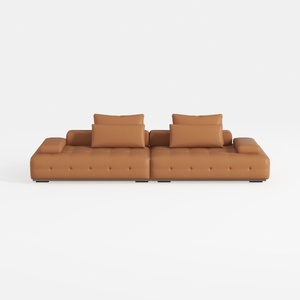

Modern Tufted Leather Oversized Sectional Sofa 3D Model

UEV Mid Century Modern Sideboard Buffet Cabinet
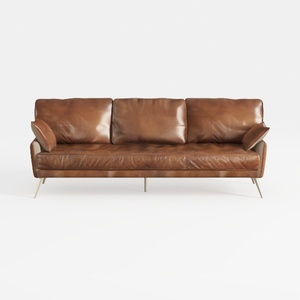
Modern Vintage Leather 3 Seater Sofa With Metal Legs 3D Model
Discover your inner designer with Homestyler! This user-friendly online platform offers a fantastic design tool, stunning 3D renderings, and an array of design projects and DIY video tutorials. Transform your home with ease and inspiration—perfect for anyone looking to revamp their space!
지금 무료로 디자인하세요
































