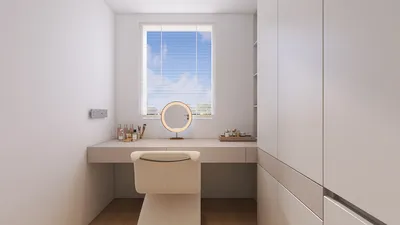


Managing cold rooms can be straightforward when using safe and effective methods. My approach includes utilizing controllable heating sources, ensuring tight insulation, and applying strategic room layouts to enhance perceived heat without overloading electrical systems. By effectively insulating a smaller room, it's possible to create a warmer atmosphere—often feeling 2–3°F warmer—simply by addressing drafts and optimizing radiant heat sources near seating areas. For those interested in smart design solutions, consider using Homestyler to experiment with different layouts that maximize warmth.
Relying on data-driven heating choices
Comfort transcends mere temperature; it involves a combination of air temperature, mean radiant temperature, humidity, airflow, and personal preferences. The WELL v2 standard underscores the multifaceted nature of thermal comfort, associating individual climate control and reduced drafts with enhanced satisfaction. Research by Steelcase shows a direct relationship between personal environmental control and perceived productivity; when individuals can modify their immediate climate, their contentment improves. I recommend referring to IES guidelines for creating an optimal synergy between lighting and heating—employing warm light between 2700–3000K along with minimally intrusive luminaires to alleviate visual strain and support thermal comfort.
Regarding color and perception, insights from VerywellMind on color psychology reveal that warm tones—such as terracotta, ochre, and muted reds—can heighten the sensation of warmth, even if the thermostat remains unchanged. These colors are effective yet economical assets in enhancing the cozy feel of a space.
Prioritizing safety in all arrangements
Before commencing any DIY projects, it's crucial to run through a safety checklist: verify the electrical capacity (as space heaters typically draw between 1000–1500W; avoid sharing circuits with high-demand appliances), use equipment equipped with tip-over and overheat safeguards, maintain a clearance of at least 3 feet from textiles, and steer clear of makeshift resistance heaters. I always supervise portable heaters and exclusively use grounded outlets with intact cords. Should humidity levels drop below 30%, incorporating a small humidifier can greatly enhance perceived warmth, although it’s important to keep levels below 50% to avoid condensation and mold.
Effective draft sealing strategies
Heat loss can undermine your heating efforts. I recommend utilizing weatherstripping around doors and operable windows, applying silicone caulk for filling gaps, and hanging insulated curtains. A well-fitted door sweep can significantly diminish drafts; even a fabric draft stopper along the baseboards can make a noticeable difference. For windows that leak air, installing shrink-film window insulation is a weekend fix that often provides immediate improvements.
Opting for radiant heat over convection for optimal comfort
If you're typically seated at a desk or in a reading chair, strategically placing controlled radiant heating sources close to that space can elevate the mean radiant temperature and overall comfort with lower thermostat settings. Devices such as oil-filled radiators or ceramic heaters with low-surface temperatures deliver gentle, consistent warmth. Position them 2–3 feet away from your seating and angle them across your body rather than just towards your feet. For slightly cool rooms, consider heated throws or UL-listed heating pads to add localized heat without relying on forced air systems.
Implementing a layered heating approach: Local, efficient, and modest
My hierarchy for DIY heating strategies is as follows: start by sealing drafts, then add a radiant heating source, introduce a minor convective boost, and adjust humidity levels. Oil-filled radiators (usually rated between 600–1500W) operate quietly and retain warmth post shut-off. While ceramic heaters with safety features are good for quick temperature boosts, I advise using them judiciously and ensuring that clearances are maintained. In particularly small spaces, a low-watt panel heater, safely mounted, can offer background warmth without aggressive airflow.
Utilizing light and color to enhance warmth without extra wattage
Lighting plays a significant role in the feeling of warmth. I prefer to use warm-white bulbs (within the 2700–3000K range) and layered, indirect fixtures to minimize glare. According to IES recommendations regarding glare management, diffusing light can reduce visual strain, thus supporting a more comfortable atmosphere. For colors, incorporating earth tones and warm neutrals can enhance the sense of warmth; even small additions like a terracotta throw or oak-colored decorations make a substantial difference. Research underscoring the psychological effects of warm colors supports this approach.
Ergonomics and zoning: Directing heat to where it's needed most
Comfort is often localized. Position prominent seating away from direct drafts, moving it closer to radiant heating sources whenever possible. If the configuration allows, clustering areas for activities like reading, working, or watching media can create comfortable pockets of warmth instead of attempting to heat the entire room indiscriminately. To assist in spatial planning, using a room layout tool such as Homestyler can help visualize heater placement, clearances, and ideal seating arrangements.
Considering noise and airflow
Heaters that operate using fans can introduce both noise and dryers air. For those sensitive to sound, opting for oil-filled or panel heaters will provide a quieter experience. Gentle airflow minimizes cool drafts that can disrupt comfort, even at identical temperatures. If a fan is necessary, keep it at a low speed and direct it away from seating areas. Adding a small rug can also help mitigate cold from the floor.
Materials that retain and convey warmth
High thermal mass materials can enhance warmth retention. For instance, positioning a stone or ceramic side table close to a radiant heat source will allow it to absorb and radiate heat more effectively. Incorporate layered textiles such as heavy curtains, woolen throws, and plush rugs that not only reduce glare but also absorb sound and combat cold drafts at floor level. Steer clear of thin synthetic fabrics that may feel chilly; natural fibers typically feel more inviting against the skin.
Maintaining optimal humidity levels
Dry air in winter intensifies feelings of cold. Keeping the relative humidity between 40–50% can limit evaporative cooling on the skin. A small humidifier can assist, but it’s crucial to monitor for condensation on windows—reduce humidity if you notice moisture accumulating. Incorporating plants can also add a slight increase in humidity while contributing to a cozier ambiance.
Being mindful of electrical loads
Understanding your electrical circuitry is vital. Many household circuits are rated for 15A at 120V, which equates to a maximum of about 1800W under ideal conditions. Using a 1500W heating unit alongside other devices could lead to overloads. Distributing electrical loads, unplugging non-essential appliances, and refraining from daisy-chaining extension cords is necessary. If an extension is required, opt for a high-gauge, short cord that exceeds the wattage of the heater.
Harnessing passive heating methods
On sunny days, open shades to invite solar warmth; in the evening, draw insulated curtains to keep heat trapped. Cooking or baking in the kitchen earlier can leverage residual warmth. After a hot shower, slightly open the bathroom door to share steam with adjacent areas but avoid allowing moisture to linger and cause condensation.
Designing small spaces to feel warmer
Position seating away from outside walls by 6–12 inches, angle chairs towards heating sources, and use dense area rugs for anchoring. In elongated rooms, placing heaters along the longer walls can help alleviate thermal asymmetry. Ensure pathways remain clear; trip hazards around heaters are unacceptable.
When to consult a professional
If your room struggles to maintain warmth, there may be insulation issues or infiltrations that go beyond simple DIY solutions. Consider hiring a professional for an energy audit or consulting an electrician if circuits regularly trip or outlets feel warm to the touch. For floors that remain cold over crawlspaces, addressing insulation or adding underlayment can yield quick returns.
Frequently Asked Questions
Q1: Are oil-filled radiators safer than ceramic space heaters?
A: Both types can be safe when properly utilized. Oil-filled radiators operate at lower surface temperatures, minimizing burn risks and reducing dust combustion. It's crucial to select models that include tip-over and overheat protection while ensuring adequate clearances.
Q2: What size heater is suitable for a small bedroom?
A: Many rooms sized around 100–150 square feet can effectively warm up with heaters ranging from 750–1000W once drafts are adequately sealed. Those with poor insulation could require up to 1500W. Begin with a lower wattage, observe performance, and focus on radiant heaters positioned near seating or the bed.
Q3: How can I mitigate the dry feeling caused by heaters?
A: Maintaining a relative humidity of 40–50% using a small humidifier, along with incorporating water-safe plants and avoiding high fan speeds, can be effective. Using warm lighting and natural fabrics enhances the overall sense of comfort without elevating temperatures.
Q4: Which colors contribute to a warmer room ambiance?
A: Warm colors such as terracotta, rust, ochre, and warm beiges enhance the feeling of warmth. Small accent features—like throws, cushions, and lampshades—can significantly impact the space, supported by color psychology research.
Q5: Can the choice of lighting influence thermal comfort?
A: Indirect warm-white lighting (2700–3000K) minimizes glare and visual stress, thereby enhancing comfort levels. Utilizing diffusers, shades, and uplighting creates a cozy atmosphere that pairs well with gentle radiant heat sources.
Q6: Is it hazardous to use extension cords with space heaters?
A: Ideally, heaters should be plugged straight into a wall outlet. If an extension is mandatory, utilize a heavy-duty, brief cord that surpasses the heater's wattage. Avoid daisy-chaining cords or power strips at all costs.
Q7: What’s the most effective DIY measure to take before purchasing a heater?
A: Insulating against drafts is paramount. Weatherstripping doors and windows, applying door sweeps, and using shrink-film window kits commonly yield immediate, economical benefits in warmth.
Q8: How should I optimally position a heater for the best results?
A: Direct radiant heaters across your body from a distance of 2–3 feet, ensuring textiles are kept at least 3 feet away, and avoid airflow directed at seating locations. Position furniture slightly away from exterior walls, and utilize a rug to mitigate floor cold.
Q9: Are heated blankets a viable alternative?
A: For targeted warmth, utilizing heated throws or UL-listed heating pads provides an effective low-load solution. While they may not replace full-room heat, they can lessen reliance on high-wattage heaters.
Q10: What should I do if my circuit continues to trip?
A: Your electrical load might be exceeding circuit capacity. Consider decreasing wattage, moving devices to a different circuit, or consulting a qualified electrician. Warm outlets or scorched plugs can be indicative of critical electrical problems.
Homestyler's roots trace back to Autodesk, the global leader in design and engineering software. That heritage lives on in every feature we build. Today, with a community of more than 18 million users worldwide, Homestyler continues to make professional-quality interior design accessible to everyone — from first-time decorators to seasoned architects.
Homestyler is your go-to online home design platform, perfect for anyone looking to transform their space. With its easy-to-use design tool, stunning 3D renderings, inspiring design projects, and helpful DIY video tutorials, you can effortlessly create your dream home—no experience needed!
Progetta ora GRATIS
































