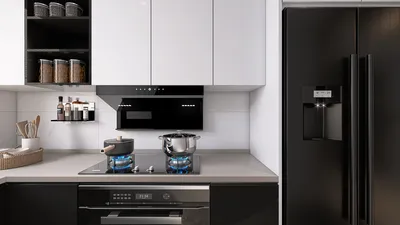


I approach drying rooms as if they are a command center: efficient, well-organized, and surprisingly attuned to light and color dynamics. Choosing the right colors not only minimizes visual chaos but also enhances task precision, creating a tranquil atmosphere in compact and functional areas. In bustling households, this soothing effect is invaluable. According to Gensler’s Workplace Survey, visual clarity is linked to perceived productivity, while Steelcase research emphasizes that spaces promoting focus and control lead to greater user satisfaction; applying this to a drying room involves selecting a color scheme that ensures surface clarity and maintains a bright environment without overwhelming glare, making tools like Homestyler essential for design precision.
Lighting and reflectance are central to my color choices. The Illuminating Engineering Society advises a luminosity of 300–500 lux for work areas like folding surfaces, while WELL v2 emphasizes the need for glare management and high color quality to enhance visual comfort. High Light Reflectance Value (LRV) finishes on walls and cabinets can reflect existing light, thus reducing the need for brighter fixtures. When designing layouts, I often utilize a room layout tool like Homestyler to visualize how light, paired with pale walls and medium-toned floors, achieves a balance of brightness and ease of maintenance.
Soft Neutrals That Don’t Feel Clinical
Warm gray-greige, gentle oat, and muted limestone shades maintain a sense of cleanliness without the harshness of pure white. These colors effectively disguise lint, uphold brightness, and complement various appliance finishes. I typically select wall colors with an LRV of about 60-75 and cabinetry in the 40-55 range to add depth. A matte or eggshell sheen minimizes reflections on shiny appliances, while lighting below 4000K may cast a yellow hue on neutrals; I prefer 3500-4000K with a CRI of 90+ for true color representation.
Nature-Derived Greens for Calm and Clarity
Olive mist, eucalyptus, and sage create a tranquil backdrop that eases stress. Research from Verywell Mind indicates that green tones promote restoration, aligning perfectly with clients’ experiences of using laundry time to relax. Light sage walls paired with stone-gray surfaces diffuse shadows, allowing fabric stains to be easily identified. Opt for brushed nickel or satin black hardware to ground the overall look. In north-facing rooms, it’s beneficial to introduce a creamier undertone to combat any cold light influences.
Powder Blues That Brighten Without Overpowering
Soft powder blue and steel-tinted blues can enliven narrow spaces, particularly where daylight is limited. These shades provide a crisp contrast against textiles, which is handy for sorting laundry. To maintain sophistication, blend these colors with charcoal shelving and warm wooden accents, ensuring that upper wall finishes have a mid-to-high LRV alongside a medium-toned floor to create stability.
Earthy Taupes and Mushroom Tones for Hidden Utility
Tones like mushroom, putty, and taupe are excellent at concealing dust and scuffs along base cabinets and lower wall sections. I often divide the wall with a practical satin-finish taupe wainscoting (LRV 35-45) and a lighter upper wall (LRV 65-75) to keep work areas bright while protecting high-contact zones. Pair these choices with ceramic or luxury vinyl plank flooring in warm mid-grays to effectively hide lint.
Warm Whites That Work Hard
In compact areas, warm whites—like soft alabaster or chalk with a hint of cream—expand space and flatter skin tones when dealing with stains. The key is texture: features such as micro-embossed cabinet facades, beadboard, or delicate plaster finishes can prevent the area from feeling too sterile. Ideal ceiling paint should be slightly brighter to enhance diffuse light around drying racks.
Charcoal Accents for Visual Order
Even in light-focused designs, I incorporate charcoal or ink accents—such as open shelving brackets, counter edges, or trim—to establish navigation and visual continuity. These accents guide the eye in identifying functional zones, like sorting bins and folding areas, thus enhancing workflow and minimizing decision fatigue in busy settings.
Sunlit Yellows and Buttery Neutrals in Dark Corners
For rooms nestled in basements or with limited window light, a pale, buttery neutral can brighten the space without the sharpness of neon colors. Keeping saturation low is crucial; the aim is warmth without glare. Satin finishes on doors and cabinets promote easy cleaning, while eggshell on walls helps conceal imperfections.
Monochrome with Material Contrast
A monochromatic color scheme can give a drying room a curated feel. Layering different shades of white or gray with varied textures—like matte cabinetry, honed countertops, and ribbed tile—creates visual clarity without introducing new colors, effectively reducing visual noise where there are plenty of bottles and baskets.
Bold Doors, Calm Interiors
When clients express a desire for vibrant colors but need a calm working space, I suggest showcasing bold shades on the door or a single feature panel—such as ink blue, terra cotta, or forest green—while keeping the interior neutral. This approach allows for a splash of personality while optimizing the room for lighting and maintenance.
Color + Light: Practical Pairings
- Pale neutrals combined with 3500-4000K LEDs (CRI 90+) to preserve warmth and enhance fabric visibility
- Sage/olive hues paired with warm white task lighting over sinks to mitigate shadows on textiles
- Powder blue alongside neutral white under-cabinet lighting for effective stain detection
- Mushroom taupe with adjustable ceiling fixtures to control glare from glossy surfaces
Ergonomics and Wayfinding Through Color
Utilizing color blocks can effectively clarify different task areas: a darker tone behind wall hooks, a contrasting backsplash behind the sink, or distinct colors for labeled bins (lights, darks, delicates). Strong visual cues can streamline workflow. Research from Herman Miller demonstrates a relationship between decreased cognitive load and enhanced user experience in task-driven environments; for drying rooms, this means more efficient sorting and fewer errors.
Moisture, Sheen, and Durability
Drying rooms often experience humidity fluctuations. Thus, selecting scrubbable, low-VOC paints with mildew resistance is vital, favoring satin/eggshell for walls and semi-gloss for trim. Warmer mid-tone flooring can camouflage lint, and matte tiles minimize slip glare. For sound control (due to running machines), consider soft finishes—such as cork underlayment or acoustic ceiling panels—that manage noise while maintaining reflectivity in lighter shades.
Small Space Strategies
In narrow spaces, opt for light-colored ceilings and upper walls, transition to a medium tone on lower cabinets, and incorporate a darker edge on countertops to clearly delineate the workspace. If adjusting cabinetry or appliances, tools like Homestyler can assist in confirming clearance for baskets and door swings along the workflow path from washer to drying rack and folding area.
- Calm Utility: Warm white walls, mushroom base cabinets, charcoal hardware, and an oak shelf
- Fresh & Airy: Powder blue walls, stone-gray counters, white appliances, and woven baskets
- Botanical Neutral: Light sage walls, warm-white cabinets, brushed nickel fixtures, and a terrazzo floor
- Minimal Monochrome: Soft gray walls, pale gray cabinets, honed quartz surfaces, with black accents
FAQ
Q1: What color makes a small drying room feel larger?
A1: High-LRV warm whites or light greige (LRV 65-75) help reflect more light, visually expanding the space. Ensure ceilings are slightly brighter than the walls, and use matte finishes to avoid unwanted glare.
Q2: Which paint sheen is ideal for a humid drying room?
A2: Eggshell or satin finishes are suitable for walls to allow for easy cleaning and moisture resistance, while semi-gloss is great for trim and cabinetry. These options strike a balance between durability and glare control under task lighting.
Q3: Are greens genuinely calming in utility spaces?
A3: Soft sage and eucalyptus shades are known to reduce visual stress. Verywell Mind’s research on color psychology connects green to a restorative effect, complementing how users experience laundry tasks as a reset.
Q4: What color temperature is best for lighting?
A4: A range of 3500-4000K with a CRI of 90+ delivers accurate color representation for spotting stains while keeping the environment warm and welcoming, in line with the IES-recommended 300-500 lux for task areas.
Q5: How can I conceal lint and dust?
A5: Choose mid-tone flooring (like warm gray or taupe) and cabinetry with an LRV of 35-55. Extremely dark or light finishes tend to show lint much quicker.
Q6: Is it possible to use bold colors without making a space feel overwhelmed?
A6: Absolutely—focus bold shades on doors or a single accent panel while keeping the main areas neutral, allowing for personality without compromising visual clarity.
Q7: How can I effectively zone tasks using color?
A7: Employ subtle variations—darker tones behind hooks, distinct backsplash shades at the sink, and color-coded bins. Doing so enhances navigation and reduces mental load during sorting tasks.
Q8: Do whites ever appear overly sterile?
A8: Only if you avoid warmer whites and textured finishes—incorporating styles like beadboard or matte cabinetry can eliminate sterility. Adjust undertones to balance with the room's natural light; northern exposure may need a softer cream hue.
Q9: How can I minimize glare on shiny appliances?
A9: Use matte finishes on walls, angle lighting away from reflective surfaces, and incorporate darker accent colors at edges to disrupt reflections. Moreover, dimmable fixtures help manage brightness effectively.
Q10: Which sustainable options can complement these palettes?
A10: Selecting low-VOC paints, using FSC-certified wood for shelving, and choosing tiles with recycled content are all excellent choices. Light, durable finishes minimize repainting needs while optimizing reflectivity, thus enhancing lighting efficiency.
Q11: What advice do you have for basement drying rooms?
A11: Implement warm neutrals or buttery shades, maximize CRI to 90+, install under-cabinet lighting, and use mid-tone floors to hide lint. Additionally, consider acoustic treatments to reduce noise from machines.
Q12: How can I evaluate color before making a final decision?
A12: Paint large swatches on foam boards and examine them under the room’s actual lighting conditions (daylight/nighttime, with task lights on). If adjusting storage or fixture placement, use a room design visualization tool like Homestyler to explore color-light interactions seamlessly.
Discover the magic of home design with Homestyler! This user-friendly platform offers an intuitive online design tool, stunning 3D renderings, a variety of design projects, and helpful video tutorials. Transform your creative ideas into reality, whether you're a beginner or an experienced designer.
Progetta ora GRATIS
































