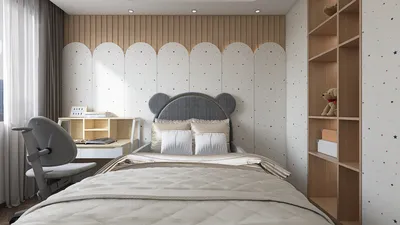


There was an instance when I unintentionally placed a wardrobe in the way of a bathroom door, leading to an awkward moment when the client entered and we both paused in shock. This small mishap illuminated the fact that creating an effective 3 bedroom layout isn’t merely about fitting everything in; it’s about strategically choreographing how people navigate and interact within the space. Compact areas often inspire the most innovative ideas, and over the past decade, I’ve amassed practical strategies that truly make a difference.
1. Defining Spaces with Furniture Instead of Walls
For clients seeking distinct areas without the budget for structural alterations, I usually suggest utilizing bookcases, low dividers, or sofas to delineate spaces. This approach maintains flexibility: the area can be opened up for gatherings or closed off for privacy. The benefits include cost savings and enhanced adaptability; however, it's essential to ensure clear paths for circulation so that bedrooms don’t feel isolated.
save pin
2. Optimizing Wet Areas for Plumbing Efficiency
In one of my first renovations, costs escalated until I regrouped and arranged the kitchen and bathroom plumbing vertically. In 3 bedroom homes, this method significantly reduces plumbing runs and saves money, especially in multi-story designs. While this may limit some design creativity, the long-term maintenance ease and utility savings justify the decision.
save pin
3. Split-Bedroom Layout for Increased Privacy
I once crafted a 3 bedroom apartment where the master bedroom was separated from the children's rooms by a central living area. This design overhaul improved morning routines by providing real privacy and more effective noise control, making it ideal for families or roommates. The only downside is the slightly larger circulation areas, necessitating clever storage planning to avoid wasted hallway space.
save pin
4. Versatile Third Bedroom Serving as Home Office
As the demand for home offices continues to persist, I frequently design the third bedroom with integrated storage and a foldable desk. This space can serve as either a guest room or a study, depending on what’s needed. This flexibility is a big advantage, yet the challenge lies in providing comfort for overnight visitors while ensuring a practical workspace for daily activities.
save pin
5. Enhancing Natural Light Through Open Sightlines
In a confined 3 bedroom layout, I once installed a partial wall and added a transom above a door to channel natural light into the hallway and inner bedrooms. This adjustment made the entire space feel larger and more welcoming. While it necessitates careful consideration of privacy and sound insulation, using frosted glass or blinds can effectively provide a balance.
If you are looking for effective tools to quickly sketch out these design options, consider using the free room planner from Homestyler that aided me in visualizing zoning strategies early in my planning phase.
save pin
Tips 1:
Budget Tip: Focus on addressing structural changes and plumbing configurations first. A modest initial investment in optimizing the layout can prevent renovation headaches down the line. Pro Tip: Walk through the planned layout at a 1:50 scale to identify potential circulation problems prior to construction.
save pin
FAQ
Q: What is the ideal 3 bedroom layout for a family with children?
A: A split-bedroom design or grouping two bedrooms together with a master suite separated by communal spaces often provides the best balance of privacy and supervision.
Q: How can I maximize storage in a 3 bedroom apartment?
A: Opt for built-in wardrobes, under-bed storage solutions, and utilize high shelving along corridors; treating areas meant for movement as potential storage spots can significantly enhance overall storage capacity.
Q: Is an open-plan living and kitchen layout preferable in a 3 bedroom flat?
A: Open concepts enhance perceived space and facilitate social interaction, but it’s essential to consider ventilation and noise; partial dividers can strike a balance between openness and comfort.
Q: How can I reduce plumbing expenses in a three-bedroom redesign?
A: Position wet areas strategically or align bathrooms and kitchens to share plumbing walls, minimizing both material and labor costs.
Q: Can a third bedroom function as both a home office and a guest room?
A: Absolutely! By incorporating foldable furniture or a sleeper sofa along with dedicated storage, you can transition effortlessly between guest accommodations and a functional workspace.
Q: What are frequent layout pitfalls to avoid in 3 bedroom designs?
A: Common issues include oversized hallways, poor natural light in central areas, and employing only narrow corridors to separate bedrooms; always prioritize clear circulation and ample daylight in your designs.
Q: How can I ensure inner bedrooms receive sufficient natural light?
A: Explore options for borrowed light through features like interior glazing, strategically placed transoms, or open sightlines from the main living area. I often refer to guidelines from the American Institute of Architects regarding daylight standards (https://www.aia.org/).
Q: Are there online resources for visualizing 3 bedroom floor plans?
A: Yes, many designers utilize user-friendly floor planning tools to create mock-ups before finalizing construction plans — these tools expedite decision-making and effectively communicate design flow to clients.
save pin
Homestyler is your go-to online home design platform! With its user-friendly design tool, stunning 3D renderings, and a wealth of DIY video tutorials, you can effortlessly create and visualize your dream spaces. Let your creativity shine with Homestyler today!
Design Now for FREE
































