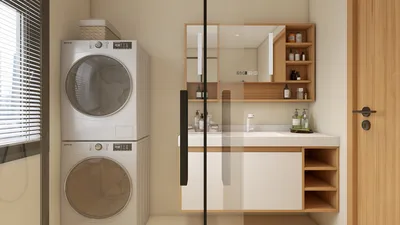


One memorable experience involved a client who believed their bath rug should cover a mysterious 2-inch gap under the door. This situation taught me an important lesson: rugs are not meant to function like curtains. After having a good laugh and addressing the draft issue, I realized that exploring different rug placements could provide effective solutions rather than simply masking problems. I often create quick bathroom layout sketches to figure out optimal rug placements before making recommendations to clients. Designing for small bathrooms can inspire innovative ideas, so here are five effective bathroom rug placement strategies that I regularly apply in my projects, and that you can visualize using Homestyler.
1. The Step-Out Mat — Centrally Positioned by the Shower or Tub
This classic approach remains popular for good reason: placing a rectangular mat directly outside the shower or bathtub enhances comfort and safety. I like to suggest thick, absorbent mats for this spot, as they effectively manage moisture and help prevent slips. However, they require regular washing, which might not appeal to all clients.
save pin
2. Runner Under the Vanity for Narrow Bathrooms
In elongated, narrow bathrooms, utilizing a runner along the middle can unify the area while safeguarding the flooring where foot traffic is heaviest. For floating vanities, tucking the runner partially under the cabinet creates an elegant hotel-like appearance. The downside, however, can be the challenge it presents for cleaning around plumbing, so opting for a low-pile, washable runner is wise.
save pin
3. Layered Rugs for Added Warmth and Texture
A stylish technique I borrowed from living room decor involves layering a smaller textured rug atop a larger, neutral bath mat. This method not only adds warmth but also obscures wear marks; however, it’s important to ensure that the materials work well together to prevent mildew buildup, as synthetic bases tend to dry faster under natural fibers.
save pin
4. Diagonal or Offset Placement to Create an Illusion of Space
Strategically placing a rug at a slight angle or offset from the center can create the illusion of a wider space in a cramped bathroom. I have employed this approach in tiny powder rooms with impressive results — it’s a cost-effective strategy that has a significant visual impact. Just remember to consider door swings and cabinetry that may interfere with the rug placement.
save pin
5. Small Accent Mats Near the Toilet or Freestanding Tub
In some cases, one large rug isn't necessary; instead, two or three smaller mats placed thoughtfully — one by the toilet and another beside the tub — can effectively delineate different zones within the space. If you prefer planning ahead before making purchases, I recommend visualizing rug placement in a 3D environment like Homestyler to help assess balance and scale. The key here is to harmonize styles to ensure the arrangement appears intentional and cohesive rather than haphazard.
save pin
FAQ
Q1: What size rug is optimal for a compact bathroom?
For step-out areas, I typically recommend a mat sized between 17x24" and 21x34", and a 2x6' runner for narrow bathrooms. Be sure to measure the available floor space and leave 2-3" of visible flooring around the rug edges for proportion.
Q2: Are bathroom rugs safe for tile flooring?
Yes, they are, as long as you use rugs with anti-slip backing or a rubber underlay that properly fits the rug dimensions. Without proper grip, rugs can slip on wet tiles, increasing the risk of accidents.
Q3: How frequently should I wash bathroom rugs?
I advise cleaning bath rugs at least once every one to two weeks for daily-use areas. Guest bathrooms that see less traffic can go longer between washes. Quick-drying synthetic or microfiber mats can make this routine more manageable.
Q4: Is it possible to place a rug under a floating vanity?
Definitely — using a runner or a rug that snugly fits underneath a floating vanity contributes to a streamlined aesthetic and effectively conceals the gap between the cabinet and the floor. Just ensure that plumbing access remains unobstructed for future maintenance if needed.
Q5: What materials are ideal for bathroom rugs?
Cotton and microfiber are excellent choices due to their absorbency and ease of cleaning, while memory-foam or tufted mats provide comfort but may take longer to dry. I typically steer clear of 100% wool in moisture-heavy areas as it can retain moisture and lead to mildew.
Q6: Any quick tips for coordinating different rug sizes?
To create a unified look with various rug sizes, opt for a consistent color palette or one accent color that repeats across the rugs. This approach helps make the placement of scattered mats appear deliberate. Keep functional areas practical while reserving decorative designs for drier spaces.
Q7: What are the recommended minimum clearances around rugs?
Yes — the National Kitchen & Bath Association (NKBA) recommends ensuring that rugs do not obstruct cabinet doors, drawers, or plumbing access. This way, functionality is preserved alongside aesthetic appeal.
Q8: How can I experiment with rug placements without making a purchase?
I often draft rough outlines of rug shapes on the floor or use simple printable templates to evaluate scale. For those who prefer a digital approach, numerous designers utilize online tools to visualize layouts before finalizing purchases, with options like Homestyler providing ample support.
Discover your dream home with Homestyler! This user-friendly online design platform offers powerful tools for 3D rendering, a vast array of design projects, and helpful video tutorials. Whether you're a beginner or a pro, bring your creative vision to life effortlessly!
Design Now for FREE
































