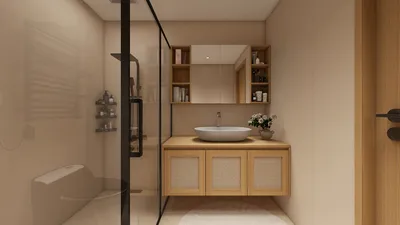


One evening, a client reached out to me around 11 PM, reporting a perplexing sighting—a black winged insect in their compact bathroom. After some investigation, we discovered that it was drawn to the dampness caused by neglected grout and a leaky faucet. Over the course of my more than a decade in home design, I've encountered numerous such pests. That unexpected late-night encounter reinforced my understanding of how thoughtful design can effectively minimize these unwanted intrusions. In small bathrooms, clever strategies like enhanced ventilation, properly sealed joints, and judiciously placed fixtures not only deter insects but also create an illusion of spaciousness.
1. Enhance ventilation and natural light
Ensuring good airflow and allowing natural light in are crucial steps in pest prevention. I frequently suggest installing a window or an exhaust fan equipped with a timer; this helps dry wet surfaces swiftly, making the environment less inviting for insects. The benefits include fresher air and reduced mold growth, although one must consider the initial investment for a quality fan, which may require additional electrical work.
save pin
2. Select moisture-repelling grout and sealants
During one renovation, I replaced conventional grout with epoxy grout and resealed cabinet joints. This change effectively curbed bug sightings around the shower area. Although epoxy grout has a higher price point, its superior resistance to moisture and staining creates a hostile environment for winged insects that thrive in damp conditions.
save pin
3. Elevate bathroom fixtures and incorporate toe-kicks
By opting for raised vanities and wall-mounted toilets, one can achieve a more streamlined aesthetic while eliminating shadowy corners where pests might lurk. For instance, I resolved a persistent bug issue simply by exchanging a floor-hugging cabinet for a stylish wall-hung vanity, greatly reducing potential hiding spots and simplifying maintenance. While this upgrade adds visual appeal, it can also increase renovation costs for plumbing adjustments.
save pin
4. Utilize sealed lighting and tight fittings
Certain small flying insects are attracted to light sources. Installing fully sealed downlights and ensuring vent covers fit tightly can reduce entry points for these pests. Through my experience, I’ve discovered the importance of balancing lighting efficiency with fixture choices; while sealed options may come at a higher cost, they significantly cut down on upkeep and unpleasant surprises during late-night hours.
save pin
5. Choose low-maintenance materials
Incorporating materials such as large-format tiles, solid-surface countertops, and laminates with flush edges minimizes the number of joints, thereby decreasing the likelihood of pest nesting. In a recent compact bathroom project, I chose large porcelain panels, and the homeowner reported a notable reduction in insect sightings. However, one must consider the logistics and complexity of transporting and installing large pieces.
save pin
Tip 1:
If you're looking to experiment with layouts that reduce stagnant areas where bugs might hide, beginning with a planner can be very useful. A reliable 3D floor planner, such as Homestyler, allows you to visualize elevation changes and airflow improvements effectively. This tool helps me illustrate to clients how relocating a vanity or adjusting a door can enhance circulation throughout the space.
save pin
FAQ
Q1: What type of insect might I have encountered in my bathroom? A1: The small black-winged insects commonly found in bathrooms are often drain flies or minuscule moths. Drain flies breed in the organic waste within drains, so regular cleaning of traps and P-traps is essential.
Q2: What’s the best way to eliminate drain flies? A2: To tackle drain flies, use a stiff brush along with an enzyme-based cleaner on the drains, and ensure to run water for several minutes each day. If the infestation lingers, a plumber may need to inspect for deeper issues.
Q3: Can inadequate ventilation lead to more bugs? A3: Absolutely—high humidity levels can form breeding grounds for various small insects. Improving ventilation and managing moisture effectively serve as significant preventive measures.
Q4: Are some materials more effective at preventing insects? A4: Yes, nonporous materials like epoxy grout, porcelain tiles, and solid surfaces actively reduce moisture retention and hiding spots, thereby decreasing insect attraction.
Q5: Will using sealed lighting truly make a difference? A5: Certainly—sealed lights limit access points for flying insects and reduce heat and condensation that may draw them in. It’s a modest investment that can yield considerable advantages.
Q6: Should I contact pest control or consult a designer first? A6: For immediate infestations, pest control should be your first call; however, for long-term preventive solutions, it’s wise to collaborate with a designer or contractor to address moisture issues and design weaknesses.
Q7: Are there any DIY solutions I can implement right away? A7: Yes—take steps like cleaning drains, running fans post-shower, fixing leaks, and eliminating stagnant water. These proactive measures can often result in a significant decrease in pest sightings within just a few days.
Q8: Where can I find more resources on designing bug-resistant bathrooms? A8: For tools to visualize layout and airflow, consider using a layout planner like Homestyler to see potential changes and optimize your bathroom environment. Additionally, the CDC provides valuable information on managing dampness and mold control: https://www.cdc.gov/mold/ (source).
save pin
Homestyler is your go-to online home design platform, perfect for turning your ideas into reality. With its user-friendly design tool, stunning 3D renderings, a wealth of design projects, and helpful video tutorials, you can effortlessly create and visualize your dream space. Start designing today!
Concevez maintenant gratuitement
































