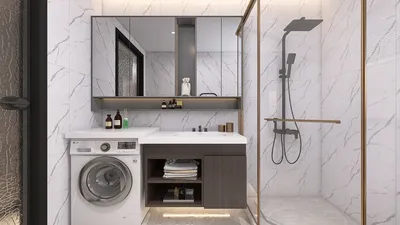


I once managed to persuade a client that painting their basement laundry area black would effectively conceal a stain — it did hide the stain but resulted in a dramatic increase in temperature. This experience highlighted how small areas can ignite significant creativity, teaching me to always consider cooling and airflow when planning basements. To design a layout that prioritizes comfort, it's beneficial to think about a small-space laundry arrangement from the start, ensuring that ventilation systems and appliances do not conflict for air.
1. Emphasize ventilation: eliminate heat at its origin
Basements often trap warmth and humidity produced by dryers, washing machines, and sometimes even the water heater. I suggest installing an inline exhaust fan or upgrading the dryer vent to a correctly sized, straight run — this tactic is surprisingly effective and prevents the unpleasant, damp odor. While there is a trade-off in terms of installation costs and possibly rerouting ductwork, it remains the most significant change for reducing discomfort.
save pin
2. Introduce a dehumidifier and promote strategic airflow
I frequently pair a compact dehumidifier with a ceiling or wall-mounted fan to ensure the air remains in motion; managing moisture levels contributes to a cooler ambiance and safeguards appliances from mildew. Although dehumidifiers incur operating costs, modern designs are energy-efficient, with one client experiencing a 50% reduction in damp smells within a month. One minor drawback involves emptying the reservoir unless it is connected to a drainage system.
save pin
3. Insulate thoughtfully and finish for temperature control
Proper wall insulation and sealing gaps prevent warm air from seeping in and conditioned air from escaping. Utilizing rigid foam insulation behind drywall and insulating the laundry chute or door can stabilize temperatures and minimize noise; this approach may have higher upfront costs but delivers returns in long-term comfort. The main disadvantage is the extra time required for the project, yet the benefit in comfort is typically worth it.
save pin
4. Select cooler surfaces and a smart layout
Opt for light-colored, moisture-resistant flooring such as porcelain tile or sealed concrete, as these materials reflect heat more effectively than darker vinyl. I also arrange washers and dryers to create a landing space and maintain an unobstructed path for airflow. Sometimes, I use Homestyler templates to experiment with different arrangements before investing in cabinetry. The challenge lies in striking a balance among durability, budget, and aesthetic preferences; however, even a simple runner rug and light paint can greatly enhance the environment.
save pin
5. Explore active cooling solutions: mini-splits or portable AC units combined with 3D planning
When passive methods aren't sufficient, a compact ductless mini-split system or a well-ventilated portable AC can significantly improve the laundry room's comfort level. I advise clients that while installation may incur additional costs and should ideally be handled by licensed HVAC professionals, the results provide immediate climate control and potentially quicker laundry cycles if humidity decreases. To visualize how a new unit influences room flow, I enjoy using 3D modeling in Homestyler, which allows me to experiment with unit placement before making permanent changes.
save pin
FAQ
Q1: What is the most economical way to maintain a cool basement laundry room?
For most residential settings, enhancing ventilation and incorporating a dehumidifier offer the best value. These improvements reduce humidity and perceived warmth without extensive renovations.
Q2: Is it necessary to hire a licensed professional for changing dryer vents or installing a mini-split?
Upgrading dryer vents can often be a DIY task if the setup is straightforward, while more complicated configurations and mini-split installations should engage licensed professionals for safety and adherence to warranty conditions.
Q3: Will insulation genuinely aid in temperature regulation?
Absolutely — insulating external basement walls and sealing gaps greatly reduces heat transfer and enhances the effectiveness of any cooling strategy. It also diminishes noise from appliances.
Q4: Is a dehumidifier essential if ventilation is adequate?
While ventilation is helpful, basements frequently require dedicated humidity control, especially in damp climates; a dehumidifier complements ventilation efforts to prevent mold growth.
Q5: What should the target room humidity be to safeguard laundry machines?
Strive for a relative humidity level of 30-50% to avert mold issues and protect machines; this guideline is recommended by the EPA (for further details, visit https://www.epa.gov/indoor-air-quality-iaq which discusses indoor humidity and air quality).
Q6: Can I utilize a portable AC unit in a basement laundry space?
Yes, if it can be properly vented to the exterior or a window well. Keep in mind that portable units may be noisy and require drainage, but they provide a useful temporary solution.
Q7: Are some materials more effective for cooling in a laundry room?
Light-colored tiles, sealed concrete, and moisture-resistant cabinetry are ideal choices for reducing temperatures and facilitating easy maintenance; they also reflect light, enhancing the overall freshness of the space.
Q8: What’s a straightforward layout suggestion to boost airflow?
Ensure there is at least one unobstructed pathway around the washer and dryer; even a clearance of 30-36 inches in front of the appliances significantly eases both cleaning and airflow management.
save pin
Discover your dream space with Homestyler! This user-friendly online design platform features a powerful design tool, stunning 3D renderings, a wealth of design projects, and helpful DIY video tutorials. Perfect for anyone looking to transform their home with creativity and ease!
Concevez maintenant gratuitement
































