

I've designed and restructured banquet halls catering to gatherings as small as 80 guests up to grand events for 800 attendees, consistently observing that the floor plan significantly influences the overall experience. The arrangement affects flow, seating density, sightlines, and lighting, which collectively determine whether service runs smoothly and if guests remain engaged. The importance of effective spatial clarity and wayfinding is evident, as studies in workplace and event settings indicate that they both lessen cognitive load while enhancing user satisfaction. This is reinforced by findings from the Interaction Design Foundation concerning user navigation. Additionally, standards for sound and light play a critical role in ensuring comfort; for example, the IES guidelines are commonly referenced to manage glare and uniformity, allowing guests to view faces and food comfortably. The WELL v2 standards offer further guidance on acoustic and ergonomic considerations that can be seamlessly integrated into event spaces, especially with tools like Homestyler facilitating layout designs.
Quantitative data is essential to sculpting the design. Standard guidelines for banquet seating suggest allocating 10–12 ft² per person for round tables and 8–10 ft² for theater-style setups, while keeping in mind that necessary circulating and service aisles usually require an additional 15–25% area for full-service events. Research by Gensler highlights that visibility and movement patterns within a space correlate directly with the perceived quality and productivity of an event, principles that can be effectively employed to optimize service routes and guest flow, mitigating congestion near entry points or buffet stations. Moreover, the WELL v2 standards emphasize the significance of controlling background noise and ensuring comfortable lighting levels, which is crucial for facilitating conversations at levels ranging from 60–65 dBA, paired with warm, uniform lighting conditions. For comprehensive insights, consider reviewing the WELL v2 and IES standards.
Core Planning Ratios for Banquet Layouts
To start, I employ three key ratios: capacity, circulation, and service. Capacity refers to the count of seats without sacrificing comfort; circulation accounts for aisles and waiting areas near bars or buffets, as well as cross-traffic to restrooms and exits; while service considers the back-of-house pathways, wait stations, and the organization of linens and dishware. A good baseline involves budgeting 36–42 inches for primary aisles and 24–30 inches for secondary corridors. For buffet arrangements, I recommend allowing 72–96 inches around the table to accommodate both queuing and staff service needs. These dimensions ensure a dignified movement experience, minimizing accidental contact—crucial factors that contribute to making events feel generous rather than overcrowded.
Choosing the Right Seating Scheme
Round tables (60–72 inches) promote socializing and eye contact; they are particularly well-suited for weddings and gala dinners. In contrast, rectangular tables maximize seating capacity and streamline service, making them ideal for corporate functions. Employing chevron or angled rows can enhance sightlines in hybrid banquet-theater formats. If hosting keynotes or presentations, it’s advisable to align table arrangements to enhance orientation while ensuring a clearance of 12–15 feet in front of the stage for audiovisual equipment and speakers. To optimize seating configurations and spacing, utilizing tools like Homestyler for room layout can help visualize various circulation options and focal points before finalizing rental agreements and service strategies.
Stage, Dance Floor, and Focal Zones
Every banquet unfolds a narrative, and the floor plan must feature focal zones where the action takes place. Stages should be positioned along the longest wall to optimize viewing angles and avoid deep sightline issues. The dance floor is best situated centrally or slightly off-center, allotting 8–10 square feet per dancer, and placing it adjacent to the DJ area while ensuring it’s within reach of main aisles to maintain a lively atmosphere. To facilitate effective circulation, embed a buffer of 6–8 feet around the dance area, preventing chairs from encroaching onto essential pathways. If live music is involved, allocating 2–3 feet behind the stage for cable management and sound clarity is crucial, with AV setups positioned away from guest traffic. Utilizing an interior layout planner can provide insights into how different energy zones interact with service pathways.
Bar, Buffet, and Service Logic
Bars often attract a crowd, so it's best to place them away from entrances and ensure they are positioned near a major aisle to prevent bottlenecks. For events with over 200 guests, I advocate for dual-sided buffet stations or mirrored serving lines; this arrangement optimizes guest movement by allowing plate pickup at the start and cutlery at the end, effectively decreasing hesitation and improving overall throughput. Ensure that there is 5–6 feet of space behind buffet stations for staff to maneuver. In the case of plated meals, it's advantageous to create discreet service corridors—at least 36 inches wide—around table clusters to avoid disrupting guests during service. Concealing wait stations near columns or edges of the room—ideally every 40–60 guests for replenishment—can help maintain a smooth flow and minimize service delays.
Lighting: Warmth, Uniformity, and Glare Control
Effective banquet lighting is crucial for highlighting guests’ faces and food, while also enhancing program moments. Utilizing warm tones ranging from 2700–3000K enhances skin tones and complements culinary presentations. Combining ambient lighting with dimmable downlights and wall sconces, while strategically spotlighting key areas like the stage and head tables with adjustable beams, creates a layered visual aesthetic. IES standards suggest maintaining a balance of vertical illuminance and control over glare conditions; for example, a range of 100–150 lux should be maintained for ambient light during dining, with an increase to 200–300 lux during presentations, while accent lighting can be adjusted as needed. Avoid directing lighting beams into guests’ eyes, and utilize baffles or snoots to moderate bright spots. Incorporating candlelight can deliver intimacy, but should always be complemented with low-glare sources for safe navigation.
Acoustics: Conversational Comfort Without Deadening Energy
In larger spaces, sound can echo and amplify noise. Selecting suitable materials that minimize reverberation—such as fabric drapes, upholstered furniture, and acoustic wall panels—will help distribute sound evenly. The WELL v2 framework advocates for speech clarity and background noise control; aiming for a reverberation time (RT60) of 0.6–0.8 seconds in mid-sized rooms, with subwoofers isolated to avoid muddiness. Positioning bands or DJs slightly off-axis from denser seating arrangements and elevating speakers helps project sound effectively. For key speeches, utilizing cardioid microphones and ensuring that AV control stations maintain unobstructed sightlines to both the stage and entry points aids in rapid troubleshooting during events.
Ergonomics and Human Factors
Comfortable seating is a fundamental aspect of dining experiences lasting 90–120 minutes. Chairs should have heights ranging from 17 to 19 inches, with tables around 29 to 30 inches, helping to mitigate posture-related strain. Aim for a separation of 18 to 20 inches between chair backs when feasible to prevent bumping during service. The visual balance of the setup also plays a significant role; arranging decor with rhythmic consistency—such as uniform heights for centerpieces, symmetrical aisle spacing, and a defined main axis toward focal areas—helps create a calming atmosphere. Color psychology impacts perception as well, with warm neutrals and subdued jewel tones invoking a sense of celebration without overwhelming guests, while research shows that excessively bright reds can evoke agitation if not counterbalanced.
Wayfinding, Entrances, and Accessibility
The layout should enable guests to intuitively navigate the room. Clear sightlines at the entrance are vital—avoid positioning tables directly in front of doors, and ensure that signage is placed where it can aid in decision-making, such as at registration points, table numbers, and cloakrooms. Routes should be a minimum of 36 inches wide to accommodate accessibility, and transfer areas near head tables should allow space for wheelchairs. Pathways to restrooms and outdoor spaces should be designed to avoid crossing the main program axis. Utilizing high-contrast signage and simple, legible table numbering reduces cognitive strain and minimizes clustering around host stations.
Sustainability and Materials
Opt for linens made from durable fiber blends, reusable centerpiece containers, and adaptable staging systems to minimize waste. Selection of materials should prioritize ease of cleaning and durability—stain-resistant upholstery and low-VOC finishes improve air quality and expedite event turnover. Sustainable planning also includes an efficient power distribution system that minimizes cable runs and heat accumulation, thereby enhancing audiovisual efficiency.
Capacity Scenarios and Quick Layout Plays
For a gathering of 150 guests, envision 15 round tables accommodating 10, a centrally located dance floor, and dual buffet stations situated at opposite ends to disperse traffic. For 300 attendees, consider creating designated zones: dining clusters, a central stage with chevron table arrangements for better sightlines, and two satellite bars located in the back third of the space. For larger events of 500 or more, introduce service corridors around the perimeters and internal divides; employing a mix of chevron and rectangular tables will enhance capacity while preserving views. Using layout simulation tools like Homestyler can assist in visualizing aisle dimensions, bar placements, and staging alternatives prior to vendor commitments.
Pre-Event Walkthrough and Stress-Test
I always conduct a timed walkthrough with the catering team: simulating a buffet release for 200 guests, observing queuing dynamics, and fine-tuning line spacing and plate placements. Lighting scenarios should be tested, from doorways to the stage. Acoustic feedback should be assessed with a soundcheck from the performing band. Verify that emergency evacuation routes and ADA clearances are clearly marked. Such rehearsals help prevent unexpected issues on the event day.
For thorough standards and research that support event comfort, consider delving into the WELL v2 and IES guidelines; they establish frameworks for lighting, sound, and human health that integrate well into hospitality settings.
FAQ
Q1: What amount of space should I dedicate per guest for a banquet?
A: Allocate approximately 10–12 ft² per guest for round table setups and 8–10 ft² for theater-style seating, additionally factoring in 15–25% for circulation and service areas depending on your service model.
Q2: What are the optimal aisle widths for unobstructed service?
A: Maintain 36–42 inches for primary aisles and 24–30 inches for secondary aisles. For buffets, ensure a space of 72–96 inches for accommodating queues and staff movements.
Q3: Which table configuration is most conducive to social dining?
A: Round tables encourage face-to-face discussions and promote equality at the dining table. Rectangular tables facilitate greater capacity and are more effective for linear service styles.
Q4: What are the ideal lighting levels for dining comfort?
A: Aim for 100–150 lux of ambient lighting during meals, utilizing warm tones in the range of 2700–3000K. Increase this to 200–300 lux for speeches or presentations while managing glare using baffles.
Q5: How can I minimize noise while maintaining a lively atmosphere?
A: Introduce soft materials—such as curtains, upholstered seating, and sound-absorbing panels—while carefully balancing speaker locations. Target conversational noise levels near 60–65 dBA, and avoid direct subwoofer placement on stage surfaces.
Q6: How should I place bars and buffets to prevent crowding?
A: Keep bars away from entry points and main thoroughfares; for gatherings exceeding 200 attendees, consider mirrored buffet layouts while allowing 5–6 feet behind the stations for staff movements.
Q7: What are the recommendations for dance floor sizing?
A: Allocate about 8–10 ft² for each expected dancer. Maintain a buffer of 6–8 feet around the dance area to protect circulation pathways and deter chair encroachment.
Q8: What ergonomic aspects are important for guest comfort?
A: Ensure chair seat heights are between 17 and 19 inches and table heights around 29 to 30 inches to support comfortable posture. Maintain a spacing of 18 to 20 inches between chairs to minimize disruptions during service.
Q9: How do I maintain clear sightlines to the stage?
A: Align tables in a way that directs focus towards the main area, avoiding deep sightline triangles, and preserve a clearance of 12–15 feet before the stage to allow AV and presenter movements.
Q10: What are quick methods to visualize various seating scenarios?
A: Utilize a room design simulation tool, such as Homestyler, to experiment with different layouts, aisle widths, and focal zones prior to concluding rental and service arrangements.
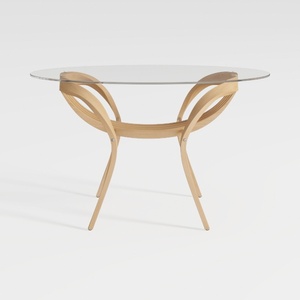

33 in. Natural Medium Round Glass Coffee Table
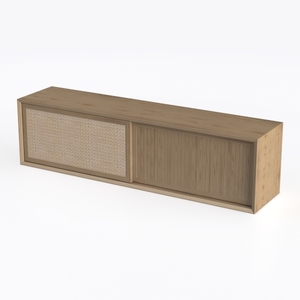
JOZZBY Set of 3 Storage Cabinet, Sideboard Buffet

Modern Minimalist Solid Wood Metal Console Table 3D Model
Homestyler is your go-to online home design platform, perfect for bringing your decor visions to life. With its user-friendly design tool, impressive 3D renderings, a plethora of inspiring design projects, and informative video tutorials, creating your dream space has never been easier!
Diseño ahora GRATIS
































