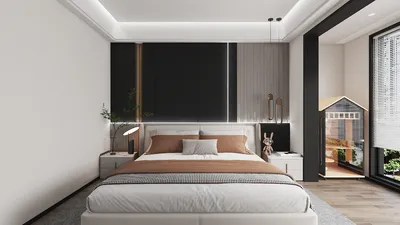


In a past project, I made the decision to install a stunning chandelier in a client's small living area because they believed that "bigger is cozier." While it sparkled beautifully in the store, it ended up feeling cramped in the actual space. This experience taught me a valuable lesson: effective ambient lighting is not solely about intensity or size; it revolves around layering and creating the right mood. Small spaces can often inspire innovative solutions, and I have discovered techniques to make lighting feel intentional rather than overwhelming. Incorporating tools like Homestyler can also assist in visualizing these effects.
1. Dimmer-Controlled Overhead Lighting
I always prioritize a solid overhead light layer that can be managed with dimmers. This offers the versatility to transition from bright task lighting while cleaning to a gentle glow for movie nights. The advantage is precise control and the ability to create drama; however, the challenge lies in the wiring and selecting a fixture that complements the room's scale without overwhelming it. A warm color temperature of 2700K–3000K is recommended for a more inviting atmosphere.
save pin
2. Wall Grazing Techniques to Enhance Texture
Using wall-grazing uplights effectively emphasizes textures such as brick, plaster, or wood grain, instantly adding dimension. I applied this technique in a long, narrow living room to create a tactile and inviting wall. This method is superb for establishing focal points but requires careful placement to avoid awkward shadows. To experiment with layout choices, using a 3D floor planner like Homestyler can help visualize where to place lighting before committing to installations.
save pin
3. Soft Glow from Cove and Indirect Lighting
Cove lighting, which is installed in ceiling recesses, generates a halo effect that feels both luxurious and calming. It is ideal for creating an overall ambient wash without visible fixtures. The downside can be the complexity of installation and the necessity for crisp ceiling lines; however, when executed properly, it imbues a room with an expansive and tranquil feel.
save pin
4. Innovative Accent Lamps and Floor Lighting
A strategically placed floor lamp or a modern accent lamp injects instant character and localized lighting. I frequently suggest lamps with adjustable heads and smart features that allow clients to modify both color and brightness to suit various activities. These options are cost-effective and flexible, but be cautious of overly complex lighting sources; it's crucial to maintain a clear lighting hierarchy.
save pin
5. Utilizing LED Strips for Ambient Shelf and Media Unit Lighting
Installing LED strips beneath shelves or behind televisions provides a soothing ambient backlight that is easy on the eyes and offers a cinematic vibe. They are affordable and can seamlessly integrate into existing furniture. The potential issue lies in color accuracy and long-term adhesion; therefore, opt for high-quality strips and conceal wiring to maintain a clean appearance. If planning for a larger renovation, utilizing Homestyler's kitchen layout planner and room design examples can guide the integration of lighting throughout open spaces.
save pin
FAQ
Q: What color temperature is optimal for ambient lighting in a living room?
A: Warm white (2700K–3000K) fosters a cozy and relaxed atmosphere, making it suitable for most living environments.
Q: How many layers of lighting should a living room feature?
A: Strive for three layers: ambient (overall), task (reading/work), and accent (art/shelves) for flexible and balanced lighting.
Q: Are smart bulbs beneficial for enhancing ambient lighting?
A: Absolutely, smart bulbs provide scene-setting and color customization, allowing you to adjust the ambiance for various activities and different times of day.
Q: Can LED strips adversely affect furniture finishes?
A: Generally, low-heat, high-quality LED strips will not damage finishes; however, it's advisable to test adhesives and avoid high-temperature variants on delicate materials.
Q: How can I avoid clutter from multiple lamps?
A: Create a clear focal point and ensure lamps complement specific zones rather than compete; opt for consistent finishes and appropriately sized proportions.
Q: What is the best method to plan lighting before a renovation?
A: Develop a simple layout indicating fixture locations and sightlines; using mockups with temporary lamps can help evaluate the real effects. For precise planning, many professionals refer to industry standards like the IES lighting guides (Illuminating Engineering Society).
Q: Is cove lighting energy-efficient?
A: When combined with LED sources, cove lighting is indeed energy-efficient, offering consistent illumination with minimal power usage.
Q: How can I experiment with lighting positions before permanent installation?
A: Employ temporary fixtures, clamp lamps, or use 3D mockups to visualize lighting placements; utilizing tools like the free floor plan creator can also assist in mapping and testing options.
save pin
Homestyler is your go-to online home design platform, perfect for all skill levels. With its user-friendly design tool, stunning 3D renderings, a wealth of inspiring design projects, and helpful DIY video tutorials, you can effortlessly transform your living space into a dream home.
Concevez maintenant gratuitement
































