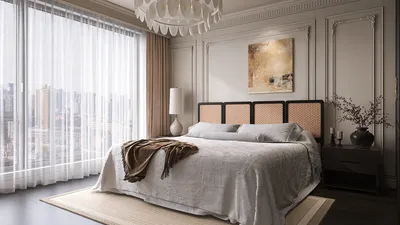


I once managed to persuade a client that a large blue rectangle could serve as the defining artwork in their living room. The outcome was fantastic; they appreciated it greatly, and we both learned that sometimes, embracing bold simplicity is the key to success. For anyone looking to quickly enhance their walls, I always recommend that clients explore how to visualize their layouts in 3D for art placement; this ensures that scale and balance are intentional, not left to chance.
1. Large Color Block Canvas
I find the impact of a single expansive canvas divided into two or three distinct color blocks to be truly captivating. It's quick to create, quite forgiving if your lines are not perfect, and effectively sets the color narrative of a room. Just remember that maintaining proper proportions is crucial to avoid the appearance of a mere poster on the wall.
save pin
2. Minimalist Botanical Silhouettes
Elegant outlines of leaves or branches against a neutral backdrop evoke a sense of tranquility and sophistication. These designs work wonderfully in smaller areas as one or two pieces can create a focal point that is calm and inviting; be cautious, however, as using too many small canvases can make a wall feel cluttered rather than thoughtfully arranged.
save pin
3. Simple Abstract Texture Panels
For those in rental spaces, I often suggest creating a series of small textured abstract paintings using palette knives along with a limited color scheme. They are cost-effective, durable, and textural features cleverly mask imperfections — plus, if you want a new look, it’s much easier to repaint one panel than to replace an entire frame. If you need assistance in pairing colors with furniture, I sometimes leverage AI-driven tools, like Homestyler, for color matching suggestions.
save pin
4. Streamlined Cityscape Outlines
Sketch a skyline consistently across three horizontal canvases to create a modern triptych. This approach is both sophisticated and fairly straightforward to execute; with patience for consistently spaced lines, the final result looks luxurious, even when you’re working with a tight budget.
save pin
5. Whimsical Photo-to-Canvas Transformations
Transform a beloved photograph into a stylized painting by tracing the essential shapes and filling them with solid colors — this way, you create bespoke art without needing advanced portrait skills. When positioning such artwork, I recommend sketching out the wall to ensure a cohesive layout; for those who prefer high-tech solutions, utilizing a quick room layout tool like Homestyler can help visualize a cozy gallery wall before hanging anything.
save pin
FAQ
Q1: What materials do I need to begin with simple canvas paintings?
A: Essential supplies include acrylic paints, some brushes, gesso-primed canvases, painter’s tape for sharp edges, and a palette knife to create texture. These materials are sufficient to tackle most projects detailed here.
Q2: What canvas sizes are best for smaller homes?
A: Opt for one larger canvas (at least 60–80 cm wide) for your focal wall or a coordinated trio of smaller canvases to prevent overcrowding in compact areas. Make sure to scale the art to your furniture; generally, art above a sofa should be around two-thirds the sofa's width.
Q3: Is it possible for beginners to achieve a gallery-worthy look?
A: Definitely — limit your color palette, simplify shapes, and pay attention to scale and framing. Consistency throughout a series (using the same edge colors or recurring motifs) can trick the eye into perceiving it as high-end art.
Q4: How can I protect my acrylic canvas artwork?
A: Applying an acrylic varnish will seal your colors and minimize dust; it’s an affordable method that makes your pieces easier to clean. Matte varnish is particularly forgiving under different lighting conditions.
Q5: Any advice for hanging multiple canvases?
A: Begin by laying them out on the floor to experiment with arrangements, maintain even spacing (about 5–10 cm apart), and ensure alignment with a single straight line for a unified look. For challenging walls, a paper template can be invaluable.
Q6: Are there color guidelines I should adhere to?
A: Choose a dominant color, a neutral tone, and an accent color to keep visual harmony in check. If uncertain, select three colors from a favorite piece of fabric or rug to base your palette around.
Q7: Do creative pursuits truly influence well-being?
A: Absolutely — as noted by Harvard Health Publishing, engaging in creative activities can help reduce stress and enhance mood. Creating simple art at home is an accessible way to tap into these benefits.
Q8: Where can I find layout ideas before painting?
A: Quick sketches of your room or mood-board mockups can be quite helpful; even a basic photograph of your wall with scaled rectangles annotated can save you from wasting time and second-guessing.
Transform your home design dreams into reality with Homestyler! This user-friendly online platform offers an intuitive design tool, stunning 3D renderings, and a wealth of inspiring design projects and video tutorials. Whether you're a beginner or an expert, Homestyler makes home design easy and enjoyable!
Concevez maintenant gratuitement
































