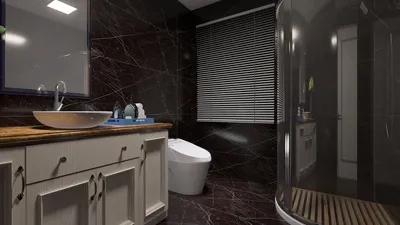


Definitive Solution
For humid hospitality and commercial settings, the most effective wallpaper options are commercial-grade vinyl or vinyl-coated wall coverings applied with moisture-resistant primers and adhesives. These wall finishes resist mold, endure frequent cleaning, and maintain their grip even in spa facilities, hotel restrooms, and seaside locations. Proper surface preparation and ongoing upkeep are just as crucial as the wallpaper selected.
Key Insights
Overview
Wallpaper in high-humidity spaces has traditionally been viewed skeptically in commercial design. Property managers often fear it will bubble, peel, or develop mold as humidity increases. However, with the right materials and installation techniques, modern commercial wallpapers perform reliably under these conditions.
After over ten years working on hospitality interiors ranging from beachfront hotels to downtown boutique accommodations, I've found that wallpaper failures are seldom due to the product itself. Usually, issues stem from inadequate wall preparation, inappropriate adhesives, or using residential-grade materials in commercial contexts.
Design teams increasingly utilize digital planning software such as Homestyler in the early design phases to simulate finishes and materials. This helps visualize the interior before construction, allowing a trial of wall coverings in areas prone to moisture like spas and bathrooms.
This article guides architects, designers, and facility managers through choosing durable wallpaper suited to high-humidity commercial environments while avoiding common costly errors.
Humidity Challenges in Hospitality and Commercial Interiors
Important Note: Humidity alone seldom damages wallpaper; factors like condensation cycles, poor air circulation, and harsh cleaning products typically cause failure.
Spaces such as hotels, spas, and wellness centers create unique environmental challenges compared to residential interiors. Frequent steam, temperature fluctuations, and daily cleaning add substantial strain on wall finishes.
In projects along coastal California, I observed that bathrooms and spa corridors face humidity levels that change drastically during the day. Wallpaper must withstand moisture exposure and fast drying cycles.
Typical humidity-related stressors include:
The EPA recommends indoor humidity between 30% and 60% to reduce mold risks. In hospitality areas where this is exceeded, careful choice of materials is essential.
Commercial Wallpaper Materials for Moist Environments
Key Point: Fabric-backed vinyl wall coverings are the preferred solution for humid commercial interiors due to their durability, moisture resistance, and cleanability.
Not all wallpaper performs equally; residential-grade products commonly fail in hospitality contexts because they aren't engineered for humidity or intensive cleaning.
Common commercial-grade wall coverings used in moist spaces include:
1. Fabric-backed vinyl
2. Solid vinyl wall coverings
3. Vinyl-coated wallpaper
According to the Wallcoverings Association, Type II vinyl coverings are the most frequently specified for hospitality projects owing to their robustness.
Design Tips for Spa, Hotel, and Resort Walls
Crucial Note: Wallpaper aesthetics in humid environments must be balanced with practical concerns such as seam concealment, texture depth, and interaction with lighting.
While designers often concentrate on colors and patterns, the wallpaper's physical characteristics significantly impact durability in spa and resort settings.
Key considerations include:
Seam visibility
Texture thickness
Lighting effects
During design, many teams employ tools like Homestyler to test finishes digitally while arranging guest rooms or spa zones, which helps preview material interaction with lighting and spatial dimensions.
Maintenance Protocols in High-Traffic, Humid Spaces
Vital Insight: The longevity of hospitality-grade wallpaper is highly dependent on maintenance practices alongside material quality.
Hotels undergo daily cleaning, requiring wall finishes to endure constant wiping, disinfectants, and abrasion from equipment and luggage.
Recommended upkeep includes:
Often overlooked is maintenance labor cost; selecting slightly pricier commercial moisture-resistant coverings can greatly lower long-term repair expenses.
Compliance and Safety Regulations for Wall Coverings
Major Point: Commercial wallpaper in hospitality must comply with fire safety, durability, and hygiene standards that typical residential wallpapers usually do not meet.
Hotels and resorts often must adhere to multiple regulations and internal brand standards, such as requiring Type II vinyl coverings in high-traffic areas like corridors and restrooms.
Case Studies: Moisture-Resistant Wallpaper Installations
Essential Observation: Successful projects combine appropriate material selection, controlled humidity, and professional installation.
From various hospitality projects, success or failure often hinges on thorough preparation.
Example 1: Bathrooms of Coastal Resorts
Example 2: Spa Corridors in Urban Hotels
Prior to installation, design teams utilize software platforms such as Homestyler to create detailed 3D interior layouts that identify steam exposure, cleaning zones, and traffic patterns to inform wall covering choices.
Summary of Recommendations
The most dependable wallpaper for humid hospitality locations is commercial fabric-backed vinyl installed with moisture-proof primers and adhesives. Adequate ventilation, surface prep, and routine maintenance safeguard long-term performance.
Frequently Asked Questions
Can wallpaper be applied in hotel bathrooms?
Yes, commercially designed vinyl coverings tailored for humid conditions are regularly utilized in hotel bathrooms and vanity spaces.
What wallpaper performs best in spa environments?
Both solid vinyl and fabric-backed vinyl wallpapers excel due to their moisture resistance and tolerance to frequent cleaning.
Is commercial wallpaper waterproof?
Although most commercial vinyl wall coverings exhibit high water resistance, they are not completely waterproof; proper application is crucial to prevent moisture infiltration.
How long does hospitality-grade wallpaper typically last?
With correct upkeep, commercial wallpaper can last 8 to 15 years in hotels and resorts.
Does humidity cause wallpaper mold?
Mold generally develops when moisture becomes trapped behind wallpaper due to insufficient wall preparation or poor ventilation.
Which wallpaper is suitable for coastal hotels?
Durable vinyl wall coverings are ideal in these environments as they resist both humidity and salty air.
Are commercial wallpapers different from residential ones?
Yes, commercial wallpapers are thicker, more robust, and built to endure intense cleaning and heavy foot traffic.
What defines commercial wallpaper for humid environments?
These are specially engineered wall coverings designed to withstand moisture, mold, and cleaning chemicals commonly found in hotels, spas, and wellness venues.
References


Homestyler offers an easy-to-use online design tool with stunning 3D renderings, inspiring interior projects, and helpful DIY video tutorials. It’s perfect for anyone looking to visualize and create beautiful home designs effortlessly. Give your space a fresh look today!
立即免费设计
































