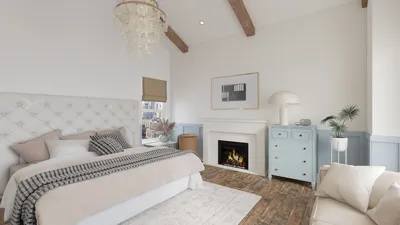


In my experience, there was a time when a client was adamant about having their kitchen table painted in the precise hue of a 1970s Volkswagen Beetle — and, unsurprisingly, they managed to spill beetroot juice on it within the first week. This incident taught me a valuable lesson: a kitchen table must possess not only aesthetic appeal but also the strength to withstand daily wear and tear. Working in confined spaces motivates me to devise substantial creative solutions. Below, I share five robust painting options that I consistently rely on for kitchen tables, featuring the versatility of the Homestyler to visualize these ideas in your space.
1. Premium acrylic latex enamel
Whenever I require a reliable finish, I frequently opt for high-quality acrylic latex enamel due to its blend of durability and ease of application. It dries to a hard, washable surface, effectively resisting the everyday messes found in kitchens while remaining breathable enough to prevent cracking over time. It's worth noting that achieving a professional-quality finish may necessitate multiple coats and light sanding between applications. However, the end result is a resilient, low-maintenance surface that stands the test of time.
save pin
2. Oil-based alkyd paint
For instances where maximum hardness and a flawless, furniture-quality finish are essential, I turn to oil-based alkyd paints. They flow smoothly, resist chipping, and endure heat and moisture better than many water-based alternatives. The caveats include longer drying periods, stronger odors during the application process, and a more challenging cleanup routine — so ensure proper ventilation and allow time for patience.
save pin
3. Water-based polyurethane topcoat over paint
A favorite strategy of mine is applying a color coat, whether acrylic or alkyd, topped with a clear water-based polyurethane layer. This combination offers remarkable scratch resistance and vibrancy of color. Although this does require a bit more time during application, it significantly enhances the longevity of the table. Depending on your preference for a satin or matte finish, you can select an appropriate clear coat — while glossy finishes are typically easy to clean, they may highlight scratches more visibly.
save pin
4. Chalk-based paint with a protective sealer
I admit I have a soft spot for the charming, vintage look of chalk-based paint for particular kitchen settings. While it may not be the most durable option initially, pairing it with a strong hard wax or water-based polyurethane sealer enhances its resilience considerably. Although some natural wear may occur over time, which can add character, this approach provides a practical balance for those desiring a distressed appearance without frequent touch-ups.
save pin
5. Epoxy coating for intensive use
For kitchen tables that also serve as heavy-duty crafting areas or prep zones, epoxy coatings offer nearly indestructible protection. They create a glass-like, waterproof surface that resists heat, chemicals, and deep scratches effectively. The trade-off, however, involves meticulous preparation, precise mixing, and dust-free curing conditions—any mistakes can be difficult to rectify. Therefore, I only recommend using epoxy when an extremely high level of protection is absolutely necessary.
To visualize various finishes and layouts before making a commitment, I occasionally utilize a room planner, like Homestyler, to simulate materials and colors. This allows clients to get a clear idea of how a table's finish will appear in their designated space.
save pin
FAQ
Q: What paint offers the greatest durability for a kitchen table? A: Generally, oil-based alkyd paints or acrylic enamel paired with a polyurethane topcoat tend to yield the best results in terms of durability.
Q: Is it appropriate to use standard wall paint for a table? A: Standard wall paint is not specifically designed for surfaces that encounter significant wear; if chosen, it is essential to apply a protective topcoat to enhance longevity.
Q: How many layers of paint should I apply? A: Typically, two to three thin coats of paint, along with one to two coats of clear topcoat, provide optimal protection and finish.
Q: Is epoxy safe for kitchen applications? A: When cured, epoxy is food-safe for incidental contact, but always check the product specifications; proper ventilation during application is required.
Q: How should I prepare a worn table for repainting? A: Start with a thorough cleaning, then sand away the loose finish, fill any deep scratches, and apply primer before painting.
Q: Are water-based polys as robust as oil-based options? A: Today's water-based polyurethanes offer impressive durability and low odor; they may be slightly less glossy but are typically easier to work with inside. For precise comparisons, refer to studies by the American Coatings Association: https://www.paint.org/ (American Coatings Association).
Q: Which finish effectively conceals scratches? A: Matte or satin finishes generally disguise minor scratches better than glossy ones, which tend to emphasize imperfections.
Q: How long must I wait before using the table after finishing? A: Adhere to the curing times specified for each product; often, you can begin using it after 24 hours, but full curing may take up to a week — and epoxy might require an even longer period.
save pin
Homestyler's roots trace back to Autodesk, the global leader in design and engineering software. That heritage lives on in every feature we build. Today, with a community of more than 18 million users worldwide, Homestyler continues to make professional-quality interior design accessible to everyone — from first-time decorators to seasoned architects.
Discover the power of Homestyler for your home design needs! This user-friendly platform offers an intuitive online design tool, stunning 3D renderings, and a wealth of DIY video tutorials. Whether you're a beginner or a seasoned designer, Homestyler makes it easy to create your dream space!
Projete agora para LIVRE
































