

Direct Answer
In many living rooms, a dresser can double as a TV stand, especially when deeper storage and a homelier feel are preferred over typical entertainment furniture. However, dedicated TV stands are specifically crafted for media components, with features like cable organization and ideal screen height. Choosing the right option depends on your storage preferences, room dimensions, and the number of connected devices.
Quick Takeaways
Introduction
The discussion between using a dresser or a TV stand for living rooms has gained traction recently. I've noticed clients wanting spaces that feel authentic and less like media hubs.
My experience designing diverse living rooms — from small urban apartments to expansive open layouts — shows both options can succeed or fail based on scale, storage, and device usage.
Many mistakenly assume a dresser is just a stylish substitute for a TV console. In truth, these pieces serve very different functions: one focuses on clothing storage, and the other on electronics, ventilation, and viewing comfort.
When experimenting with layouts, I usually suggest starting with a quick digital plan. Tools like Homestyler are great for visualizing your living room setup, letting you see if a dresser or traditional media console better suits the space.
This article breaks down the real distinctions between dressers and TV stands, highlighting overlooked drawbacks such as ventilation challenges, drawer size limitations, and scale issues in contemporary living rooms.
By the conclusion, you'll be equipped to decide which furniture piece aligns best with your setup.
What Is the Functional Difference Between a Dresser and a TV Stand?
Key Insight: Dressers emphasize deep storage and garment arrangement, whereas TV stands focus on electronic accessibility, airflow, and optimal viewing ergonomics.
While they may look similar at a glance — long and low against a wall — their internal designs vary significantly.
Dressers originated as bedroom storage, offering deep drawers and sturdy construction without thought for cables or devices. Conversely, TV stands are tailored expressly for media equipment.
Here are critical functional distinctions I observe:
Most dressers lack key features necessary for electronics.
This doesn't mean dressers can't work, but users often have to modify them rather than relying on built-in functions.
Interior design firms like Studio McGee and Amber Interiors often repurpose dressers in living rooms, typically pairing them with minimal media setups—usually just a TV and a streaming device.
Pros of Using a Dresser as a TV Stand
Key Insight: Dressers shine as TV stands when storage and aesthetic quality take precedence over complex media equipment needs.
In certain contexts, dressers can outperform conventional TV consoles.
I've implemented dressers in multiple projects for clients desiring a softer, more homelike ambiance rather than a formal entertainment center look.
Primary benefits include:
An often-overlooked advantage is longevity. Solid wood dressers typically last for decades, unlike many budget media consoles made from engineered materials.
However, a common mistake people make is choosing dressers that are too tall, which places the TV screen above a comfortable viewing height.
In my designs, I target a screen center about 42 inches from the floor for sofa viewing, but many dressers exceed this height when a TV is set atop.
Advantages of Traditional TV Consoles
Key Insight: TV stands are superior whenever multiple devices, gaming consoles, routers, or sound systems are involved.
These stands are custom-made media furniture, addressing several common issues from the outset.
Top advantages include:
Ventilation is one of the most critical but overlooked features.
Devices like game consoles and receivers generate heat; placing them inside closed dresser drawers without airflow can cause overheating during extended use.
The Consumer Technology Association emphasizes the need for adequate ventilation to avoid thermal throttling and premature damage.
For homes with many devices—gaming consoles, streaming gadgets, routers, and speakers—a dedicated media console remains the safer, long-term choice.
Storage, Height, and Width Comparison
Key Insight: Dressers excel in storage capacity, while TV stands are optimized for width and ideal viewing proportions.
This comparison shifts the decision from aesthetic to practical.
Typical size contrasts include:
Width is the crucial factor to consider.
A design guideline I recommend:
This helps avoid TVs overwhelming the supporting furniture visually.
If uncertain about proportions, using a tool like Homestyler to preview your layout can confirm the furniture fits well behind your TV.
Taking this step helps avoid buying furniture that looks proportionate online but seems too small once the TV is mounted.
Style Compatibility in Modern Living Rooms
Key Insight: Dressers tend to harmonize better in design-focused living rooms that aim to soften the appearance of technology.
One reason dressers are increasingly popular as media furniture is the desire to counteract the monotony of minimal TV stand designs.
While many modern TV stands feature simple minimalist shapes, dressers often showcase richer materials, unique drawer designs, or vintage flair.
Design styles that complement dressers well include:
On the other hand, ultra-modern interiors may benefit more from sleek floating or low-profile consoles.
Using tools like Homestyler for 3D visualization allows users to see how different furniture types affect room balance and scale.
Often, seeing a 3D model makes the right scale choice clear.
Which Option Is Best for Different Room Sizes
Key Insight: Compact rooms often do better with TV stands, whereas medium and large rooms can successfully integrate dressers.
Room dimensions heavily influence whether a dresser or TV stand is appropriate.
General guidelines I follow include:
Small living spaces (under 180 sq ft)
Medium living rooms (180–320 sq ft)
Large living rooms (320+ sq ft)
A significant hidden error is using a dresser too narrow for the TV; if the TV's width exceeds that of the furniture, the setup will look unstable and top-heavy.
Answer Box
A dresser can substitute for a TV stand if its width adequately supports the TV and the media setup is simple. Traditional TV stands remain preferable for managing multiple devices, cable organization, and proper viewing heights.
Final Summary
FAQ
Can a dresser replace a TV stand?
Yes, provided its width fits the TV and height places the screen at a comfortable viewing level.
Is a dresser strong enough for a TV?
Most solid wood dressers support current flat-screen TVs easily. Stability and width are usually more critical than weight capacity.
What is the main difference between a dresser and a TV console?
The key distinctions lie in ventilation, cable routing, and device storage. TV consoles are engineered for electronic setups.
What height should a TV stand be?
Typically, TV stands range from 20 to 26 inches tall, aligning the screen center roughly with eye level when seated.
Is a dresser too tall for a living room TV?
Sometimes, especially larger dressers may place the TV beyond ideal eye-level height once it’s on top.
Do dressers have cable management?
Generally, no. Users often need to drill holes or route cables behind the furniture themselves.
Which looks better in modern living rooms?
Minimalist interiors often favor sleek media consoles, while eclectic or transitional rooms can benefit aesthetically from dressers.
What furniture is best for TV placement in a living room?
It depends on the number of devices, storage demands, and desired viewing height.
References
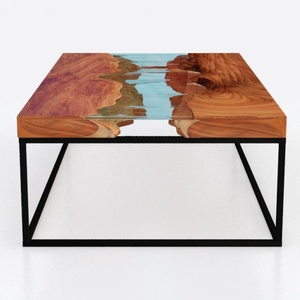
Custom 3D Waves Ocean Dining Table, Blue Ocean
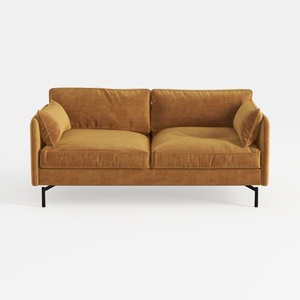
Modern Velvet Upholstered 2 Seater Sofa With Black Metal Legs 3D Model


Modern Marble Brass Solid Wood Nesting Coffee Tables 3D Model
Homestyler is an easy-to-use online home design platform offering powerful 3D rendering tools, inspiring interior design projects, and helpful DIY video tutorials—perfect for creating and visualizing your dream space with confidence.
Zaprojektuj teraz za darmo
































