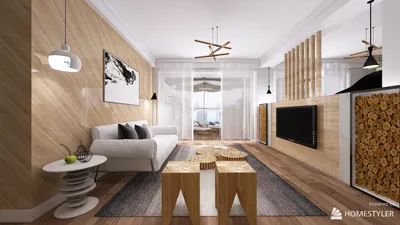


Having designed and crafted numerous pet-friendly furniture pieces, I can confidently say that a dog crate table is one of the most functional solutions for compact living spaces. When executed thoughtfully, it can serve as a side table or console while providing your dog with a cozy and secure retreat. The key is to find the right balance between airflow, sturdiness, and size so that it looks like genuine furniture rather than a mere enclosure, all while accommodating your dog’s behavioral needs.
The principles of safety and comfort are at the heart of the design. WELL v2 emphasizes the importance of acoustic and comfort features in residential interiors, particularly regarding the placement and material choice of crates. Research from Steelcase indicates that clutter and subpar layouts correlate with increased stress and reduced satisfaction; therefore, minimizing visual distractions around the crate helps dogs feel more settled and alleviates tension in the home. For optimal lighting near the crate table, I adhere to IES guidelines, targeting task areas to achieve a brightness level of 150–300 lux, diffused to ensure a resting dog isn’t startled by glare.
Durability in materials is essential. Research from Herman Miller consistently shows that tactile quality and ease of maintenance contribute to long-term satisfaction; this is equally true within a home environment. Hardwoods like white oak and maple can withstand bumps, while powder-coated steel is scratch-resistant and impervious to moisture. If you're organizing a family room layout, consider using a room layout tool from Homestyler to visualize traffic patterns around the crate table before you start cutting any materials.
Design Objectives and Dimensions
To begin, I establish three key factors: the size of your dog, required circulation space, and harmony in table height. Measure your dog while they’re standing and turning, then add an extra 2–4 inches to both dimensions for comfortable movement. The internal height should ideally match the dog’s shoulder height with an additional 2 inches for proper airflow and bedding. For a side table in the living room, aim for a height between 22 and 26 inches, while consoles placed behind sofas often work best at 28 to 30 inches to align with backing heights. Make sure there are at least 24 to 30 inches of clear space beside the table for safe movement.
Durable Materials
- Frame: Use 3/4-inch hardwood plywood or solid maple/white oak for strength and refined finishing.
- Panels: Utilize slatted wood or perforated metal to ensure ventilation, avoiding sharp mesh edges.
- Top: Choose a solid wood slab or high-pressure laminate for scratch resistance, ensuring easy cleaning is a priority.
- Hardware: Incorporate heavy-duty hinges, soft-close latches, and optional keyed locks. Powder-coated steel bars maintain strength without unsightly industrial aesthetics.
- Finish: Opt for a low-VOC, waterborne polyurethane; a satin finish minimizes the visibility of scratches and glare near task lighting.
Ventilation and Lighting Comfort
Dogs thrive in a den-like setting with regulated airflow and light. Ensure there are two ventilated sides—one at the front and another on one side—while keeping 50–70% of the surface solid for enclosure. Avoid overhead bright lighting directly above the crate; instead, select a shaded lamp or wall-mounted fixture with a warm color temperature between 2700 and 3000K to promote relaxation and minimize glare, aligning with comfort principles derived from IES practices.
Door Designs and Behavioral Cues
Sliding barn-style doors are excellent for tight spaces as they save swing space but need precise tracks and safe gaps. For larger breeds, double side-hinged doors offer a wider entry. I always include a half-height internal bumper rail to prevent bedding from drifting into the latch area. Integrate a visual cue—such as a consistent fleece mat—so dogs recognize this area as their resting zone. Maintaining predictable foot traffic around the crate is crucial; erratic movements can elevate arousal levels and hinder relaxation.
Acoustic and Flooring Considerations
Unpleasant noises from metal-on-metal contact can quickly undermine the quality of a crate table, making it seem less inviting. To mitigate this, use silicone grommets between metal components and line the floor with closed-cell foam under a washable cover to reduce noise from paws. Position the crate away from subwoofers and disruptive mechanical sounds; WELL v2 guidelines regarding acoustics remind us to maintain peace in restorative zones. If placed on hard flooring, consider adding felt sliders to prevent vibrations when the unit is bumped.
Step-by-Step Construction Guide
1) Plan and sketch: Determine the internal dimensions based on your dog. If necessary, use an interior layout tool like Homestyler to visualize circulation within the room.
2) Frame construction: Cut panels to size for both ripping and crosscutting; use pocket screws or domino joints to secure the structure.
3) Ventilated siding: Install slats with a spacing of 1–1.5 inches; be sure to round over edges to protect against paw injuries.
4) Assemble the door: Attach hinges ensuring 2–3mm clearance; check latch alignment before final finishing touches.
5) Top and cable passage: If using a lamp, add a grommet at the back to keep cords safely out of reach.
6) Sanding and finishing: Use 180–220 grit sandpaper; apply two coats of low-VOC polyurethane and allow proper curing for odor control.
7) Feet and protection: Attach leveling glides and a perimeter kick to prevent toys from rolling beneath the unit.
8) Bedding and introduction: Place familiar bedding inside and initially keep the door open, rewarding calm entries.
Spatial Ratios and Aesthetic Balance
A crate table should seamlessly blend with your furniture. Keep the top overhang subtle (1/2–3/4 inch) and ensure the thickness of the stiles aligns with neighboring pieces in the room. Vertical alignment is important: consistent slat spacing and a well-proportioned door mullion contribute to a polished appearance. If the table is situated between two lounge chairs, ensure its width corresponds to the space between the chairs or roughly two-thirds the length of the sofa for visual balance.
Color Psychology for a Calming Atmosphere
In social areas, opt for warm neutrals such as taupe, greige, and sand to maintain lower arousal levels. Shades of blue and muted greens promote tranquility; Verywell Mind's overview on color psychology connects blue hues with lower heart rate perceptions in various environments. Use color strategically to ensure the crate integrates well with existing furniture rather than drawing attention, unless intentionally designed as a statement piece using darker stained oak.
Maintenance and Hygiene
Design with easy cleaning in mind: include a pull-out tray, rounded internal corners, and a removable mat. Select fasteners that enable door removal for thorough cleaning when necessary. A satin finish conceals micro-scratches, and it’s best to avoid open-grain stains where dander may accumulate. For dogs that drool, consider introducing a drip edge on the tray front and a washable liner.
Positioning Tips
Place the crate table in a location where your dog can observe activity without feeling overly protective. An ideal spot would be a side wall facing the main seating area. Ensure at least 36 inches free from primary pathways to prevent stress from accidental bumps. If natural light is abundant, utilize light-filtering shades to prevent hotspots on the top and flickering shadows inside the crate.
Sustainability Considerations
Choose FSC-certified hardwoods, waterborne finishes, and modular hardware to facilitate part replacements rather than replacing the entire unit. Reclaimed oak can achieve a stunning appearance with a brushed finish—just ensure it’s adequately sealed for hygiene. Powder-coated aluminum bars provide a lightweight yet durable option for transport and relocation.
Common Pitfalls to Avoid
- Insufficient interior dimensions; dogs require space to turn comfortably.
- Overdoing ventilation with sharp mesh; opt for smooth bars or slats instead.
- Overlooking cable management; exposed cords are tempting for chewing.
- Situating the crate under TVs or speakers; noise can impede crate training effectiveness.
- Selecting high-gloss finishes; they can amplify glare and exhibit scratches.
Frequently Asked Questions
Q1: How large should the interior dimensions be for my dog?
A: Measure your dog from nose to rump while standing and add 2–4 inches in both length and width. The interior height should approximately match the shoulder height plus an extra 2 inches to facilitate comfortable standing, turning, and lying down.
Q2: What’s the ideal height for the table?
A: Side tables should typically be 22–26 inches tall to align with most sofa arm heights, while consoles generally range from 28 to 30 inches high so as to maintain visual harmony with adjacent furniture.
Q3: Which materials are both safe and durable?
A: Solid hardwoods like oak or maple or high-quality plywood for the frame; powder-coated steel for bars; and low-VOC waterborne polyurethane for the finish—all of these options withstand wear and are easy to maintain.
Q4: How can I provide ventilation while making it look stylish?
A: Incorporate slats spaced 1–1.5 inches apart on two sides while keeping a mostly solid back. Refined vertical rhythm and careful joinery elevate the overall aesthetic.
Q5: Where’s the best place to set up the crate table?
A: Position it in a location with low foot traffic and good visibility, ensuring at least 24–36 inches of clearance. Avoid putting it directly in front of speakers or HVAC vents to minimize stress from sound.
Q6: What type of lighting works best around the crate?
A: Use warm ambient lighting (2700–3000K) combined with 150–300 lux task lighting, ensuring it’s diffused to lessen glare, adhering to comfortable residential lighting standards as recommended by IES.
Q7: Can storage be incorporated?
A: Absolutely. A narrow drawer for leashes and treats or a rear shelf for books can be added. Be sure to keep storage weight evenly distributed to avoid tipping.
Q8: How do I help a hesitant dog adapt to the crate?
A: Initially leave the door open, introduce familiar bedding, and reward them for calm entries. Keep movements around the home predictable, avoiding loud noises in the vicinity.
Q9: Are sliding doors paw-safe?
A: Yes, they can be safe if tight tolerances are maintained, finger guards are added, and smooth, quiet tracks with soft-close mechanisms are installed.
Q10: Which finishes resist scratches and simplify cleaning?
A: Satin waterborne polyurethane and high-pressure laminate tops work best. High-gloss finishes should be avoided due to their tendency to show wear and increase glare.
Q11: How can I ensure the unit stays in place when bumped?
A: Use leveling glides fitted with rubber pads or a concealed plinth to maintain stability. For slippery floors, felt with rubber backing can reduce movement and vibrations.
Q12: Is this design suitable for multiple pets?
A: Yes, but avoid stacking crates. Create a single spacious unit or two separate tables, ensuring that each has clear sightlines to minimize occurrence of guarding behavior.
Discover your home’s potential with Homestyler! This user-friendly online design platform offers an intuitive design tool, stunning 3D renderings, and a wealth of DIY video tutorials. Perfect for anyone looking to create beautiful spaces effortlessly—let your creativity shine with Homestyler!
Design Now for FREE
































