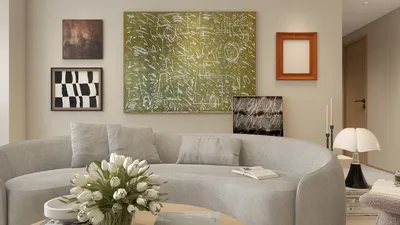


Wood wall art naturally enhances any space by introducing depth, texture, and a sense of warmth. In my design projects, it frequently serves as the focal point that harmonizes light, color, and size proportions. The key is to combine craftsmanship with purpose: select dimensions that are appropriate for the wall, choose wood grain that complements your color scheme, and finish styles that align with the room’s lighting. Research from Steelcase indicates that well-thought-out materials and visual diversity can significantly lower perceived stress levels and boost satisfaction in environments where individuals work for extended periods. Moreover, the WELL Building Standard highlights the importance of visual ergonomics and controlling glare—details that are particularly pertinent when opting for satin rather than gloss finishes to minimize discomfort in areas typically illuminated by 300–500 lux ambient light, as recommended by the Illuminating Engineering Society (IES).
The psychology of materials is crucial as well. According to Verywell Mind, warm colors create an inviting and comfortable atmosphere; therefore, using wooden elements with warm tones or pairing them with shades like terracotta or muted ochre paint can significantly enhance a room's appeal. For cozy workspace corners, I prefer lighter wood tones and matte finishes to manage reflections in the 4000K–5000K task lighting range. Gensler’s studies on workspace environments consistently show that a thoughtful balance of texture, color temperature, and sound control can enhance focus and well-being. These principles translate wonderfully into home settings: envision matte-finished oak slats that gently diffuse daylight, or walnut mosaics strategically placed to avoid direct overhead lighting, thereby reducing distracting glare.
Foundational Principles for DIY Wood Wall Art
- Scale and proportion: Aim for the art width to be 57–75% of the related furniture's width; for example, an 84-inch sofa pairs nicely with a piece of art that spans 48–60 inches. Vertical arrangements are ideal for narrow wall sections; horizontal ones help ease the visual weight of elongated walls.
- Consider light first: Determine lux levels prior to selecting finishes. Living rooms typically thrive with ambient light levels around 100–300 lux and use 2700–3000K lamps, while work areas should have 300–500 lux, ideally at 3500–5000K (IES). Satin or matte polyurethane finishes help to reduce glare.
- Color psychology: Cooler wood stains, such as ash gray or driftwood, evoke a sensation of space and tranquility, while warmer hues like honey and chestnut promote a sense of coziness. To ensure patterns are readable and don’t cause visual fatigue, maintain contrast ratios near 3:1.
- Textural rhythm: Incorporate a mix of smooth and open-grain boards to create texture rhythm. Repetition combined with subtle variations communicates sophistication rather than chaos.
- Acoustic comfort: Utilizing slatted or relief wood panels provides micro-diffusion; while not a replacement for dedicated acoustic solutions, they effectively soften sound reflections in spaces with hard finishes.
- Sustainability focus: Opt for FSC-certified plywood or reclaimed timber, and use waterborne finishes to minimize VOC emissions and indoor air pollutants, aligning with WELL v2 standards.
Project 1: Geometric Inlay Panel (Beginner–Intermediate)
Design intent: Create a modern, minimalist piece that resembles textile art when viewed from a distance.
Materials: A 1/4" birch plywood base, oak or walnut veneer strips, wood glue, blue painter's tape, satin waterborne finish, and sanding paper with a grit range of 220–320.
Layout: Draft a grid and rotate specific tiles by 45 degrees for dynamic energy without visual clutter. If planning to install above a credenza, use painter’s tape or a room layout tool to ensure accurate scaling and proportions: the Homestyler app can aid this in visualizing your layout.
Build: Dry-lay the strips; apply glue and secure with tape. Trim edges to fit, then lightly sand, seal, and finish. For a space with 3000K lighting, leaning towards walnut adds comforting warmth; in cooler light areas, oak keeps the piece looking sharp.
Project 2: Vertical Slat Sculpture With Shadow Gaps
Design intent: Enhance the perception of height while promoting gentle sound diffusion.
Materials: 1x2 solid oak, black-painted MDF backing, 1/2" spacers, brad nails, and a French cleat for easy mounting.
Layout: Maintain 12–20 mm gaps for air flow around the elements. Adhere to a 3:5 spacing rhythm for visual appeal. Aim for a 0.2–0.4" reveal around the border for a gallery-inspired effect.
Lighting: Use a grazing approach with 15–30 degrees; matte finishes help to avoid overly bright reflections under 400–500 lux task light.
Tip: Allow slats to pass over electrical cutouts by employing removable access panels to maintain rhythm.
Project 3: Herringbone Offcuts Mosaic
Design intent: Transform scrap pieces into an intricately textured centerpiece.
Materials: Mixed hardwood offcuts between 6–8" long, a 3/8" plywood substrate, construction adhesive, filler, and matte hardwax oil.
Layout: Reverse the herringbone pattern every 3–4 rows to prevent monotony. Maintain slight overall contrast (about 3:1) if the room features existing patterned textiles.
Project 4: Curved Rib Wall Art
Design intent: Embody organic movement while crafting soft light interactions.
Materials: Flexible MDF or kerf-cut plywood ribs, a 1/4" backing, veneer, contact cement, and waterborne lacquer.
Layout: Position ribs 2–3" apart to orchestrate a gentle wave. Test the artwork in varying lighting conditions; if glare is excessive, reduce sheen and increase spacing between ribs.
Project 5: Negative-Space Monogram Panel
Design intent: A personalized yet understated artwork suited for entryways.
Materials: Two-tone veneer sheets, CNC or jigsaw for cutting, spray adhesive, and satin polyurethane.
Layout: Implement a 1:1.4 ratio for the canvas size; place the monogram slightly above center for an uplifting visual impression. Ensure stroke widths are even to maintain readability from 8–10 feet.
Project 6: Burnt Shou Sugi Ban Planks
Design intent: A charred texture offering depth and a contemporary aesthetic.
Process: Torch the surface, brush to reveal the grain, and seal using matte oil. In brightly lit areas, the char will absorb excess glare and complement lighter color schemes.
Safety: Ensure proper ventilation and avoid high-gloss finishes that can compromise the texture’s velvety appeal.
Project 7: Layered Frames With Floating Planes
Design intent: Establish depth without adding heaviness.
Materials: Thin birch frames, spacers, 1/8" veneered planes, and optional museum glass.
Layout: Arrange the planes with staggered distances of 3/8–3/4" from the backing. Align one edge neatly to maintain order, allowing the rest to float freely.
Project 8: Painted-Stain Gradient Board
Design intent: Create a serene gradient that harmonizes with minimalist decor.
Process: Mask off sections and fade from natural to mid-tone stain; apply a light mist of translucent glaze at the top third. Ensure a gentle transition to appear as a soft field rather than mere stripes.
Room-by-Room Guidance
Consider larger-scale pieces—single statement artworks greatly diminish clutter visually. Pair with 2700–3000K lighting and utilize dimmable drivers for adaptable ambiance. In the presence of reflective glass, satin finishes are preferable over gloss to reduce glare effects.
Maintain low profiles above headboards and choose soft finishes. Warmer stains and rounded edges soften evening lighting, gently supporting a relaxed environment.
Strike a balance between aesthetics and productivity. Aim for 300–500 lux at the workspace (IES guidelines), use cool-neutral 3500–4000K lighting for task areas, and select matte finishes to mitigate screen reflections. Incorporating slat panels behind monitors can subtly diffuse sound.
Thoroughly seal surfaces to guard against moisture and grease. Opt for wipeable grain patterns and ensure proper edge-banding. Illuminate artworks with 90+ CRI lamps to achieve true renderings of wood tones during meals.
Ergonomics, Safety, and Hanging
- Eye-level guideline: Center the art 57–60" off the finished floor in areas that see foot traffic.
- Load path considerations: Utilize French cleats and securely anchor fasteners into wall studs for panels exceeding 20 lbs in weight.
- Breathable finishes: Opt for waterborne poly or hardwax oils to reduce odors and speed up re-occupancy; aligning with WELL’s focus on using low-emitting materials can greatly benefit indoor air quality.
Finishes and Care
- Sheen selection: Choose matte finishes for controlling glare; satin offers balanced depth, while semi-gloss should only be used where direct grazing light can be avoided.
- Colorfastness: UV-resistant topcoats help prevent yellowing in sun-exposed areas.
- Maintenance: Regularly dust with a microfiber cloth and refresh oil finishes annually in high-traffic spaces.
Planning and Visualization
Creating mockups minimizes rework. I use full-size paper templates on the wall, experiment with lighting at different times of the day, and adjust spacing before proceeding with cutting wood. For those seeking to try multiple arrangements efficiently, employing a room design visualization tool like Homestyler can greatly assist in refining scale, mounting height, and light positioning before committing to any permanent changes.
Design Trends 2024–2025 to Watch
- Monochromatic wood selections with dramatic grain enhancements for a tactile and calming effect.
- Slim ribbed designs combined with gentle wall-grazing LEDs for a contemporary feel.
- Versatile acoustic-art hybrid panels designed for multipurpose settings.
- Low-VOC, bio-based finishes and reclaimed woods as preferred options for eco-conscious designs.
FAQ
Q1: What size should my wood wall art be over a sofa or console?
A1: Aim for the width of the artwork to be 57–75% of the furniture piece and center it at 57–60" for optimal viewing. Ensure to leave about 6–8" above the furniture top to enhance visual breathing space.
Q2: Which finish is best for reducing glare in standard home lighting conditions?
A2: Opt for matte or satin waterborne polyurethane. In spaces illuminated around 100–300 lux at 2700–3000K, satin finishes provide depth without creating reflective hotspots; in close proximity to computer monitors, matte is preferable.
Q3: How can I avoid my design appearing overcrowded?
A3: Limit your palette to two wood tones and one accent color, maintain a contrast ratio close to 3:1, and use slight variations in repeated patterns to create visual interest without chaos.
Q4: Is it true that wood wall art can enhance acoustic properties?
A4: Yes, textured reliefs and slats contribute to mild sound diffusion and absorption due to their increased surface area and air spaces. While they are not a replacement for dedicated acoustic panels, they can significantly mitigate echoing sounds.
Q5: What’s the best method for hanging heavier wall panels securely?
A5: Utilize a French cleat system that anchors into wall studs. For panels weighing over 20 lbs, ensure at least two stud connections are in place and verify load requirements with the manufacturer's specifications.
Q6: How should I approach lighting for my wood wall art effectively?
A6: Implement a grazing technique with 15–30 degree angles from adjustable light sources. Choose lamps with a CRI of 90 or higher to ensure accurate representation of wood tones, and avoid high-gloss finishes that can create issues with direct grazing light.
Q7: Which wood types are most stable when used for layered mosaic designs?
A7: Engineered materials like birch plywood featuring veneer surfaces are less likely to warp. When working with solid wood, select kiln-dried oak, maple, or walnut, allowing for acclimation over 48–72 hours prior to use.
Q8: What health considerations should I have regarding wood finishes?
A8: Absolutely—choose low-VOC waterborne finishes or hardwax oils and ensure good ventilation during and after application. The WELL v2 standard underscores the importance of low-emission materials in supporting a healthier indoor air quality.
Q9: How do varying color temperatures affect the appearance of wood?
A9: Warmer lighting in the 2700–3000K spectrum intensifies the amber and red tones within wood, creating a cozier ambiance. Alternatively, neutral lighting at 3500–4000K preserves the crispness of lighter woods and grays.
Q10: What strategies can I implement in rooms lacking natural light?
A10: Choose lighter wood varieties or stains, maintain matte finishes, and incorporate layered lighting schemes to achieve 200–300 lux ambient levels; adding a subtle metallic inlay can elevate the space without leading to glare issues.
Q11: Is it possible to mix reclaimed wood with new lumber?
A11: Certainly—process and mill reclaimed wood to ensure consistent thickness and thoughtfully combine it with new boards in a controlled pattern to create a cohesive look.
Q12: How can I effectively plan a gallery wall using multiple wood artworks?
A12: Maintain 2–3" spacing between frames, align to a common baseline or centerline, and test various arrangements with a room layout simulation tool to perfect placements before proceeding with installation.
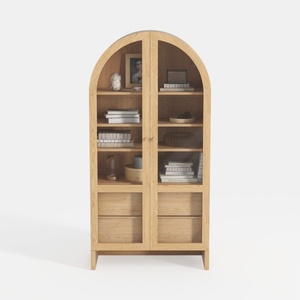
Minimalist Solid Wood Arched Display Cabinet 3D Model

Golden Tree Canvas Wall Art, Tree of Life Wall Art
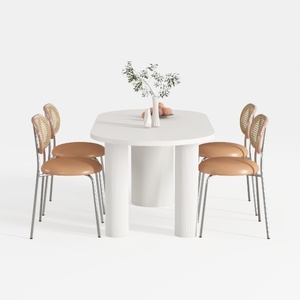
DUOMAY Modern Boucle Dining Chairs Set of 2,
Looking to transform your space? Homestyler is your go-to online home design platform! With its user-friendly design tool, stunning 3D renderings, and a wealth of DIY video tutorials, bringing your interior design visions to life has never been easier or more enjoyable.
Desain sekarang Gratis
































