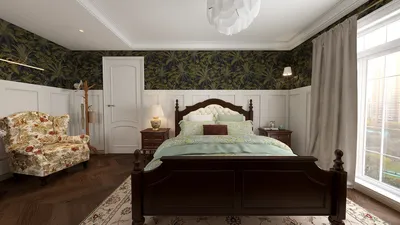


I have a passion for wall projects due to their impressive impact with minimal effort. A well-crafted wall can enhance visual harmony, elevate mood, minimize noise, and even influence movement within a space. When I brainstorm DIY wall ideas, I concentrate on the purpose of the room, the lighting, and human interactions: how individuals navigate, relax, and engage around the wall. Research provides valuable insights—Steelcase has demonstrated that environments promoting focus and recovery can enhance perceived productivity and overall well-being. Furthermore, WELL v2 emphasizes the significance of glare control, color accuracy, and sound comfort in supporting occupant health. These benchmarks push me to create walls that prioritize not only aesthetics but also tangible comfort, which can be effortlessly achieved with tools like Homestyler.
The quality of lighting is crucial in determining the appearance of any wall finish. The Illuminating Engineering Society suggests that typical residential task lighting should fall between 300–500 lux, while living spaces can function well at lower levels if vertical illuminance is balanced. When selecting paints or finishes, I always test samples under the specific light temperature used—ranging from 2700K to 3000K for cozy spaces and 3500K to 4000K for vibrant rooms—as colors can appear different under various lighting. Additionally, understanding color psychology is essential; according to Verywell Mind, shades of blue often promote calmness and concentration, while yellows can invigorate and spark creativity. I consider these subtleties to ensure the wall's hue encourages the behaviors I wish to foster.
Creating a Striking Feature Wall with Proportional Balance
A striking feature wall should resonate with proportion and rhythm, rather than merely demanding attention. I assess sightlines from entrances and seating areas to select the ideal wall location. Generally, I adhere to a 60/40 visual balance: 60% as a calm backdrop (paint or texture) and 40% as an accent (patterns, shelves, or artwork), preventing potential overload. I also review sources of natural light to mitigate stark contrasts that could cause discomfort or glare. When rearranging furniture or pathways to highlight the feature, I use a room layout tool like Homestyler to visualize various options for symmetry and flow before finalizing the arrangement with a quick mock-up over the weekend.
Painting Strategies: Color, Finish, and Illumination
Painting is the quickest way to achieve a dramatic makeover. I select colors based on their intended use: deep greens and muted blues for focus and reading, warm neutrals in living spaces to enhance skin tones and artwork. The finish is also important—matte is great for walls with imperfections, eggshell provides durability, and satin is ideal for trims. On long walls, I use a subtle two-tone approach: one-third lighter color at the top, and two-thirds mid-tone at the bottom, delineated by a sharp rail or color division at about 36–42 inches to create a visually pleasing rhythm. Always test paint samples under both day and night lighting to avoid unexpected color shifts.
Architectural Molding and Design Proportions
Incorporating molding can add sophisticated depth without visual clutter. I establish grids based on a consistent module, generally 18–24 inches, to align with furniture and sightlines. Slim shadow gaps of 6–10 mm between panels create a refined geometry that signals quality. I paint moldings in a matching hue with a slightly higher sheen to catch light and create visual definition. For upgrades that won't intrude on rentals, I utilize removable battens attached with low-tack mounting strips and ensure patterns remain lightweight.
Textured Wall Panels: A Focus on Acoustics and Warmth
The importance of acoustic comfort is often underestimated in DIY projects. Using materials like fluted MDF, cork tiles, felt baffles, or wooden slat systems can introduce texture while helping to reduce echo. I place sound-absorbing finishes close to noise sources, such as television walls, play zones, or home offices, in order to limit disruptive reverberations. Combining sound-absorbing panels with diffusive elements, like bookshelves or artwork of varied depths, helps maintain a lively atmosphere without harsh reflections. Consistent spacing between panels and attention to ceiling-wall transitions are also vital components for optimal acoustic performance.
Creating a Gallery Wall with Purposeful Design
A gallery wall should inspire dialogue and reflection rather than chaos. I establish a primary datum line at eye level—typically around 57–60 inches for centering mixed frames—and distribute visual weights evenly from left to right. I begin with three standout pieces, then incorporate medium-sized frames, filling in with smaller ones. Mixing different frame materials, like matte, metal, and wood, adds material diversity, but I maintain two dominant finishes for visual coherence. If I’m designing around furniture like sofas or consoles, I employ an interior planner to pre-visualize clearances and heights, ensuring the entire arrangement fits comfortably within the designated footprint and remains at an appropriate height.
Maximize Wall Functionality with Shelving
Shelving transforms a plain wall into a practical and stylish feature. I position shelves where they are easy to reach—usually placing frequently accessed items between 24–60 inches off the ground. Deeper shelves (10–12 inches) are perfect for books and decorative pieces, while shallower ones (6–8 inches) help keep passageways uncluttered. I create a rhythm by alternating open and closed shelving, allowing for visual breathing space. Integrating LED strips with a high Color Rendering Index (CRI) ensures art and materials are displayed accurately, and including dimmers enables adaptability based on task and time of day.
Introducing Wood Slat Walls: Warmth and Concealed Storage
Wood slat walls can add both warmth and a sense of height to a room. I opt for sustainable wood species or FSC-certified plywood, finishing with low-VOC coatings for an eco-friendly option. For an accessible DIY method, I attach slats to painted battens to simplify installation. If concealed storage is needed, I design a hinged section of slats over shallow cabinets, allowing the pattern to obscure seams while maintaining visual harmony. I make sure to keep the module uniform, typically 1x2 or 1x3, but I disrupt this repetition with a single reveal line for a graceful asymmetry.
Extending Space Perception with Color-Blocked Corners
Utilizing color-blocking techniques in corners allows for a broader perception of space. I extend a mid-tone from one wall to the adjacent one, wrapping 12–24 inches around the corner to give the illusion of more space. In rooms with lower ceilings, I draw the eye upward by applying a lighter band near the ceiling and extending it around the room at a consistent height. To ensure clean lines, I use quality painter's tape and a steady hand; a messy edge can easily ruin the effect.
Incorporating Fabric-Wrapped Walls for a Softer Touch
Fabric introduces a sense of tactile calm to a room. I attach thin batting to a removable frame, then stretch linen, wool, or acoustic fabric over it, finishing with trim around the edges. This method is not only renter-friendly but also enhances acoustic absorption. I select neutral, textured fabrics for durability and offer flexibility to change the wall's aesthetic by layering art that is pinned through to allow for seasonal updates.
Utilizing Tile or Stone Features in Wet Areas
In spaces like entryways, mudrooms, or kitchen backsplashes, walls adorned with tile or stone make a practical statement. I prefer large-format tiles for ease of maintenance regarding grout lines, or I select handmade tiles to introduce visually appealing organic variations. I ensure consistent grout lines and seal any porous materials, aligning patterns with door frames or window sills to maintain cohesion with architectural features.
Illuminating the Wall: Washers, Grazers, and Accents
The lighting used on walls should complement the finish. Washers provide uniform vertical lighting for painted surfaces, while grazers highlight textures on brick or stone. I space linear fixtures to achieve balanced vertical brightness and choose beam angles that minimize glare for seating areas. Additionally, I incorporate dimmers to meet evening lighting needs without compromising the wall's appeal.
Material Choices and Sustainability Considerations
My DIY decisions aim to be environmentally responsible. I search for reclaimed wood, acoustic panels made from recycled materials, cork, and low-VOC paints. It's critical that material textures withstand wear and tear, particularly near light switches, handles, and edge of corridors. I pair hard surfaces with softer finishes to balance acoustics and strive to source materials locally to reduce transportation impact.
Execution Strategy: From Concept to Completion
My approach remains systematic: I start by identifying the intended behavioral outcome, measuring, sketching, and visualizing two or three layout options with a design visualization tool like Homestyler. I always test color options under the planned lighting conditions, confirm ergonomic factors such as reach and viewing distances, and sequence tasks logically—painting first, followed by electrical work, then panels or artwork. Finally, I perform a light-tuning phase, adjusting dimmers and bulb temperatures to ensure the wall is visually stunning from morning to night.
Frequently Asked Questions
To promote calm and focus, I gravitate toward desaturated blues and greens, testing them under 3500–4000K lighting for clarity. These colors align with the intentions of a home office, as noted by Verywell Mind, which associates blue with tranquility and concentration. Keeping clutter off the wall also helps minimize visual disturbance.
An ideal ambient light level falls between 150–300 lux, accompanied by effective vertical illumination that allows faces and art to be viewed naturally. Dimming features can adapt to the evening ambiance and help avoid harsh glare from bright bulbs positioned near seating areas.
To improve acoustic quality, I layer fabric-wrapped panels, cork tiles, or felt baffles on walls. Pairing these with bookshelves or decor of varied depths can diffuse reflections effectively. I focus acoustic treatments near televisions and hard corners, where echo is often most noticeable.
I aim for a centerline of around 57–60 inches for central artwork placement. After establishing a few anchor pieces, I build outwards while maintaining consistent spacing of 2–3 inches. Mocking up with painter's tape can help visualize placement before making permanent fixtures.
Testing paint colors under your specific lighting is vital. Warmer lights (2700–3000K) enhance reds and browns, while cooler lights (3500–4000K) sharpen blues and greens. Prioritizing a high CRI (90+) is essential for accurately rendering art and skin tones.
Indeed, you can achieve effective contrast. Maintain a balance of 60% calming base and 40% accent colors. Avoid overwhelming patterns behind seating areas; instead, focus on the longest lines of sight to create a sense of depth without clutter.
Removable battens for molding, fabric panels on lightweight frames, peel-and-stick cork or acoustic felt, and paint selections that align with landlord-approved palettes are all options that are reversible and minimally invasive.
For texture, I suggest using grazing lighting, whereby linear LEDs are positioned close to the wall surface to catch intricate details. For flat painted walls, washers that provide even illumination are ideal. Adding dimmers can prevent glare and preserve the character of the finish.
It's important to plan reach ranges and traffic paths carefully, prototyping spacing with cardboard templates. Position heavier items at mid-height, maintain negative space for a visually appealing layout, and integrate discreet LED strips for uniform vertical lighting.
If finished with durable low-VOC coatings, regular cleaning can be done using a soft brush attachment to remove dust. Avoid aggressive cleaners, and ensure consistent spacing during installation to maintain visual alignment without warping.
Looking to transform your home? Homestyler is your go-to online platform! With its user-friendly design tool, stunning 3D renderings, and a wealth of DIY video tutorials, you can effortlessly create and visualize your dream spaces. Let your creativity shine!
Progetta ora GRATIS
































