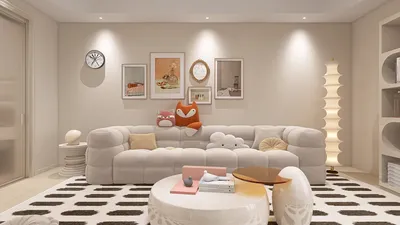


I have always viewed walls as blank canvases ready to be transformed. The ideal DIY wall decor seamlessly merges visual appeal with everyday practicality—incorporating colors that enhance mood, lighting that minimizes glare, and materials with enduring quality. In homes I’ve renovated, having a clear strategy, a cohesive color palette, and varied textures has consistently proven to be more effective than spontaneous purchases.
The selection of colors is not merely a matter of personal taste; it plays a significant role in influencing our emotions and productivity. For instance, blue shades can foster a sense of calm and concentration, whereas gentle greens facilitate rejuvenation—principles that are well established in color psychology, as noted by sources like Verywell Mind, which highlights blue’s connection to productivity and stability, while green is associated with balance and renewal. Lighting is equally crucial: the Illuminating Engineering Society suggests maintaining ambient lighting between 300 and 500 lux for general tasks, with warmer color temperatures (2700 to 3000K) promoting relaxation in living spaces. These factors—color and lighting—create the foundation for effective wall design.
For households that regularly engage in video conferencing or have young children, it’s vital to consider durability and acoustics. Research by Steelcase reveals the adverse effects of noise on focus and satisfaction; although these studies are primarily office-centric, the outcomes apply to home settings as well: minimizing reverberation and visual clutter is critical in areas meant for work or relaxation. I implement this through the inclusion of soft, sound-buffering wall elements—such as textile panels, cork, or felt—particularly in multifunctional spaces that serve as offices or playrooms.
Creating Layers on Your Wall: A Practical Approach
Begin with a foundational element: paint or wallcovering establishes the mood; lighting sets the atmosphere and functionality. Next, incorporate tactile layers and thoughtful focal points. I prefer to progress from subtle to bold—starting with a base color, followed by ambient lighting, adding texture, and finally introducing focal pieces—ensuring each choice supports the previous one. If your room has challenging dimensions or flow, utilizing a room layout tool like Homestyler can assist in visualizing sightlines and focal points before finalizing decisions.
Utilizing a room layout tool can greatly enhance planning efficiency.
Strategic Use of Color and Tone
Color blocking has a significant impact on perception: a deeper shade behind a sofa creates a grounded seating area, whereas a lighter tone above chair rail height can elevate the ceiling’s appearance. In narrow hallways, it’s best to keep walls light, using a bold hue only at the end wall to draw the gaze outward. For bedrooms, opt for low-saturation shades; steer clear of intense reds in sleep areas, and embrace muted blues or earth tones to reduce visual overstimulation. Establishing a consistent undertone across different rooms enhances the overall flow.
Textured Wall Treatments: From Plaster to Limewash
Tactile surfaces bring irreplaceable depth to walls. Limewash offers a soft, mottled finish that diffuses light—ideal for south-facing rooms. On the other hand, Venetian plaster adds an elegant sheen, perfect for accent walls in living spaces. For a budget-friendly option, apply paint with a microfiber roller topped with a glaze layer for gentle diffusion. If acoustic management is necessary, cork tiles or felt strips can provide warmth, texture, and sound absorption without appearing overly functional.
Timeless Gallery Walls
Curate artwork by theme or color rather than haphazardly assembling pieces. I like to design a grid or a casual salon-style arrangement beginning from a centerline approximately 57 inches off the ground—this closely resembles the average museum viewing height. Balance weighty frames with ample negative space, and vary frame thickness in a 1:2 ratio to maintain intentional rhythm. To future-proof, consider using picture ledges for easy seasonal swaps without necessitating new holes.
Eye-Catching Oversized Art, Mirrors, and Bold Objects
A single large artwork can anchor a busy room effectively. Oversized canvases serve to ground living spaces, while a substantial mirror in dining areas can amplify the perceived space and reflect ambient light. Ensure placement is proportional: the width of artwork should be around two-thirds the length of the sofa, and mirrors should be positioned opposite windows or lamps to avoid harsh glare.
Innovative DIY Painting Techniques: Stripes, Arches, and Geometric Patterns
Arched painting around doorways and corners can soften transitions between spaces. Vertical stripes can also elevate lower ceilings; I recommend using bands that are 3 to 6 inches wide with a subtle contrast. Geometric patterns behind desks or headboards provide a clean focal point—utilize painter’s tape and a level, and conduct full-scale color tests at various times to gauge how it looks throughout the day.
Wall-Mounted Shelving and Ledges
Floating shelves offer both display and practical storage solutions. Maintain visual balance by placing heavier items lower and lighter artifacts above. Ensure there is a 3 to 5-inch gap around your displays, and always remember ergonomic reach ranges—typically about 20 to 25 inches for easy access—to avoid awkward setups above desks or consoles.
Textile Wall Decor
Textiles such as framed fabrics, woven hangings, or upholstered panels add visual depth and assist in sound absorption. Opt for natural fibers where feasible; wool felts and cotton tapestries can help regulate humidity and minimize echoes, making them ideal for compact apartments with hard surfaces.
Exploring Wallpaper, Stencils, and Removable Murals
Removable options are a boon for renters. Consider tone-on-tone geometric patterns for a touch of sophistication without overwhelming visual noise. Stencils allow for personal touches on borders or ceiling edges—be sure to keep patterns tight in corners and gradually fade them near openings to prevent abrupt interruptions in design.
Illuminating Your Walls: Wash, Grazing, and Accent Lighting
Wall washers create a smooth ambient glow; grazing lights accentuate texture (such as stone or brick). Adjustable accent lights are ideal for artwork, set to about 30 degrees to reduce glare. In living areas, strive for layered illumination: ambient lighting of 150 to 300 lux for relaxation, task lighting of 300 to 500 lux in reading niches, and warm color temperatures between 2700 and 3000K to promote evening comfort.
Transformative Functional Walls: Pegboards, Rails, and Work Zones
Utilize a blank wall as a functional surface: metal pegboards for entryways, wooden slat rails for kitchens, and magnetic paint combined with a feature color for home offices. Keep often-used items at an ergonomic height of 34 to 48 inches. In spaces that also serve as creative studios, consider using washable paints and durable finishes that can withstand splatters.
Eco-Friendly and Low-Maintenance Solutions
Select low-VOC paints and sustainably sourced wooden frames. Choose finishes with matte or eggshell sheens to diminish glare and reduce visible fingerprints. Incorporate cork, bamboo, and reclaimed timber to add warmth while minimizing environmental impact; natural limewash is breathable, making it ideal for older structures.
Achieving Visual Harmony: Ratios, Rhythm, and Sightlines
Employ the two-thirds principle when placing art above furniture. Align centerlines across adjacent walls to create a sense of rhythm. Position focal points away from direct circulation paths and verify sightlines from critical areas: the sofa, dining table, and desk. Utilize temporary paper cutouts to test arrangements before making any permanent changes, reducing the margin for error.
Quick Room-Specific Recommendations
In the living room: hang a large piece above the sofa, install sconces to flank it, and place a soft-textured feature across from the TV to minimize reflections. For bedrooms: employ muted color fields behind the headboard and include wall-mounted reading lights that offer warm dimming options. In home offices: install acoustic panels behind the desk paired with a serene color palette to enhance concentration. For kids’ rooms: use washable paints, include picture ledges for rotating artwork, and low-height pegboards for encouraging independence. In hallways: add narrow shelves for small sculptures, and apply a bold color to the end wall to create depth.
Frequently Asked Questions
Test colors at full scale using swatches—2x3 feet—on the actual wall, observing them in morning, midday, and evening light. Opt for lower chromatic saturations and mid-to-light tones for large wall areas; save vivid colors for accents or smaller sections.
Adjust accent lighting to about 30 degrees towards the artwork to minimize reflections and bright spots. Keep the color temperature between 2700 and 3000K in living spaces to maintain a natural warmth.
A centerline height of around 57 inches serves as a dependable reference point. For pieces above a sofa, aim for the bottom of the frame to sit 6 to 8 inches above the backrest, ensuring artwork widths are approximately two-thirds the length of the sofa.
Absolutely. Integrate soft materials—such as felt panels or cork tiles—to absorb sound and limit reverberation, particularly in work areas.
Utilize removable wallpaper or murals, picture ledges for easily changeable art, and tension-mounted rails. If you only paint one accent wall, it allows for easier repainting later.
Arrange frames on the floor before installation, then use tape to create paper templates on the wall to test spacing. Begin from a centerline and extend outward; maintain consistent margins of approximately 2 to 3 inches between frames.
Consider low-VOC options, cork, bamboo, reclaimed wood, and natural limewash. Opt for FSC-certified frames and minimize plastic use whenever possible.
Opt for light-colored walls, use a large mirror across from a window, and concentrate bold colors on the end wall to elongate the space. Limit visual clutter and choose fewer, larger pieces for a more cohesive look.
Aim for ambient lighting of around 150 to 300 lux for relaxation, and 300 to 500 lux for task areas like reading nooks. Warmer color temperatures will ensure comfort during the evening hours.
Floating shelves in conjunction with narrow ledges keep surfaces uncluttered. Arrange heavier items lower, maintain comfortable reach ranges (approximately 20 to 25 inches from the desk edge), and ensure enough breathing space around the displays.
Homestyler is your go-to online home design platform! Its user-friendly design tool allows you to create stunning layouts effortlessly. With impressive 3D rendering, a wealth of design projects, and engaging DIY video tutorials, transforming your space has never been easier or more fun!
Design Now for FREE
































