

I appreciate a wall that beckons touch; texture enriches a space, enhancing both acoustics and light interaction while providing depth. This guide presents my preferred DIY ideas for textured wall art, ranging from sculptural plaster designs to woven fiber panels—each achievable at home and capable of delivering a gallery-worthy aesthetic with the aid of tools like Homestyler.
Good design is validated by its functionality. The WELL v2 Light concept indicates that properly balanced lighting—including glare management and color quality—significantly influences visual comfort and mood. By combining textured surfaces with layered lighting, we can enhance perceived brightness while minimizing harsh reflections. Research from Steelcase demonstrates that visual diversity and material richness can lead to a 23% increase in perceived well-being in workplace environments, a principle we can easily apply at home to enhance relaxation and focus through tactile elements. I refer to these metrics when choosing finishes that play harmoniously with task-oriented and ambient lighting.
Regarding color strategies, an overview on color psychology from Verywell Mind shows that warm neutrals can create a sense of comfort, while soft blues and greens contribute to stress reduction and tranquility. Textured art made in these shades exudes a grounded and timeless quality—especially when paired with natural fibers or mineral-based finishes. If your project involves reshaping furniture arrangements or creating accent walls, utilizing a room layout tool like Homestyler can assist in visualizing sightlines, lighting angles, and overall scale before making final decisions.
Plaster Relief Panels
Plaster is not only sculptural and forgiving but also remarkably simple to work with. I begin by sketching a shallow bas-relief design—imagine patterns reminiscent of waves, botanicals, or geometric forms—on MDF or cement board, followed by applying joint compound in multiple layers (around 3–5 mm each). A light sanding between applications ensures crisp edges. Keeping these forms profile-low paves the way for subtle shadow play. When illuminated with warm light between 2700–3000K, the relief appears soft rather than harsh, while a matte sealant retains its natural texture.
Texture thrives in light. Utilizing indirect wall washers or adjustable accent lighting set at an angle of 30–45° minimizes glare, adhering to the basic principles derived from IES standards aimed at reducing veiling reflections. It’s advisable to position heavier panels with their center approximately 57–60 inches from the floor—close to the average eye level, ensuring a comfortable viewing experience sans neck strain.
Woven Fiber Grids
To create a warm and organic wall aesthetic, I construct a basic frame and weave cotton rope, jute, or paper cord in a grid pattern, incorporating thicker yarns or flat leather strips to create raised channels. This deep weaving not only gives a pleasing appearance but also effectively reduces sound reflections, making it beneficial in echo-prone spaces. Opt for a muted palette (think sand, clay, dusk blue) to avoid overwhelming visual noise, and consider treating natural fibers with a fabric protector to mitigate dust absorption.
Textured Paint with Additives
If speed is of the essence, textured paint is your best ally. By mixing latex paint with silica sand or marble dust, you can achieve a fine-grit finish, or alternatively, utilize pre-mixed texture compounds applied with a high-nap roller. I often use tape to create large rectangles that highlight micro-texture against smooth wall surfaces—an uncomplicated method for crafting layered artistic compositions. Pair these with dimmable LEDs with a CRI of 90+ to maintain true colors and ensure textures remain distinct, even at night.
Timber Slat Art with Rhythm
Wooden slat panels introduce rhythm and depth to a space. I alternate using 1x2 and 1x3 battens, spaced 12–20 mm apart to find the ideal balance between shadow and airflow. A finish of hardwax oil offers a low-sheen, tactile surface. This method also enhances speech clarity by diffusing high-frequency sounds, particularly effective in living areas and entryways. Whenever possible, select sustainably sourced wood and check for FSC certification or recycled materials.
Raised Canvas: Modeling Paste and Fabric
On canvas, I mix modeling paste with raw linen overlays. The application involves creating ridges of paste, embedding fabric to create relief, and softening edges with a palette knife. Keeping the color scheme to just two tones—bone white and taupe—helps the texture stand out. I suggest floating the frame about 10–15 mm from the wall to cast a gentle shadow around the piece, providing a sculptural feel.
Found Object Assemblage
Collect a variety of small, tactile items such as ceramic fragments, driftwood, and metal scraps, arranging these in shallow display boxes. I maintain a consistent module size (around 8x8 inches) to build an organized grid. Cohesion in the piece arises from unified finishes such as matte black metal, limewash stone, or bleached wood. This approach not only tells a personal story but also ensures that the overall composition feels curated instead of cluttered.
Clay and Lime Plaster Micro-Murals
Clay and lime-based plasters offer a luxurious texture that breathes well. I apply a thin layer of plaster, then create patterns by carving or stamping with simple tools like spoons or notched spatulas—sometimes even leaves! Natural mineral finishes scatter light softly, making this technique perfect for bedrooms. I ensure to seal the mural with a breathable mineral sealer to maintain its natural beauty while preventing a shiny finish.
Metal Relief with Patina
Low-relief forms can be crafted from aluminum or brass sheets, which can be scored and treated to create textured facets. After applying patinas (like liver of sulfur for a darkened brass effect or heat tinting for aluminum), I seal the metal with microcrystalline wax. This metallic finish provides a stunning contrast to softer furnishings, but it's essential to consider reflectivity: positioning accent lights at an angle mitigates glare while maintaining an inviting luminosity.
Planning Scale, Layout, and Sightlines
Prior to installation, ensuring accurate scale is crucial. A general guideline suggests that artwork should occupy approximately 57–75% of the width of the furniture it complements. In hallways, it’s ideal to limit the depth of pieces to under 2.5 inches to prevent disruption. When redesigning a gallery wall or feature area, leveraging an interior layout planning tool can facilitate testing for spacing, heights, and focal points before any drilling occurs—this is especially beneficial for multi-panel arrangements. Tools like Homestyler can help simulate how daylight and texture interactions evolve throughout the day.
room layout tool
Color Psychology and Material Pairings
Subtle colors allow texture to take center stage. Blues and greens typically promote relaxation, while warm hues like terracotta and ochre add a sense of comfort and energy to social environments. Pair heavily textured pieces with smoother adjoining materials (like glass or satin paint) to create visual contrast and balance. In smaller rooms, opt for low-frequency textures (broader ridges over fine details) to maintain a spacious atmosphere.
Acoustic Comfort and Tactile Layers
Textured artworks are not only visually appealing; they also contribute to sound quality. Materials like soft fibers, perforated wood, and micro-reliefs can help mitigate flutter echo and soften the overall tonality of a space. Placing these pieces across from hard, flat surfaces can effectively disrupt direct sound reflections. In home offices, complementing these tactile elements with area rugs and curtains enhances sound clarity during calls without needing bulky acoustic panels.
Sustainable Choices
Opt for finishes made from lime or clay, reclaimed wood, and natural fibers. It's also important to choose sealants wisely—favoring low-VOC, waterborne topcoats can protect surfaces while minimizing odors. Think about creating modular designs, allowing for repair or modification instead of disposal.
Step-by-Step: One Weekend Plaster Artwork
• Day 1: Design your motif, cut the substrate, and outline relief areas with light pencil markings.
• Apply the first layer of compound and allow it to set overnight.
• Day 2: Add two additional thin coats, refine using sanding blocks, and seal with a matte finish.
• Mount using a French cleat appropriate for your panel's weight. Ideally, the center should be positioned 58 inches off the floor for optimal viewing.
Sources I Reference
For insights into lighting comfort and wellness advice, the WELL v2 framework offers valuable guidelines on glare, color quality, and distribution. Additionally, the research library from Steelcase provides evidence linking material variety and overall well-being, which aids in articulating the benefits of tactile design.
FAQ
Q1: What textured wall art is best suited for small rooms?
A: Opt for low-relief textures and light, desaturated colors. Maintain depth below 1–1.5 inches and use indirect lighting to eliminate harsh shadows while providing openness.
Q2: How do I illuminate textured art without glare?
A: Aim adjustable fixtures at angles of 30–45° and keep the color temperature warm (between 2700–3000K) for living areas. A high CRI (90+) will help maintain color fidelity and texture definition. Utilize diffused wall washers to minimize specular highlights on shiny surfaces.
Q3: Is textured paint durable?
A: Yes, especially with a high-quality binder and a protective matte or eggshell topcoat. Steer clear of high abrasion; for corridors, select fine grit textures and seal properly to withstand scuffs.
Q4: Can texture improve a room’s acoustics?
A: To a degree. Textiles and micro-reliefs help disrupt reflections and mellow brightness along mid-high frequencies. Together with rugs and curtains, they can yield noticeable acoustic benefits.
Q5: At what height should I hang artwork?
A: Center pieces 57–60 inches off the ground, aligning with typical eye levels. For placement above sofas or consoles, maintain a clearance of 6–8 inches above the furniture.
Q6: Which materials are the most sustainable?
A: Consider reclaimed woods, lime/clay plasters, and natural fibers such as jute, linen, and hemp, combined with low-VOC sealers. Prioritize finishes that allow for repairs while avoiding plastics in textured elements.
Q7: How can I choose calming colors for a bedroom?
A: Favor muted blues and soft greens paired with gentle textures, leaning on color psychology research for their calming properties. Maintain low contrasts with warm dim lighting for evenings.
Q8: What should I do if I'm renting and can't drill into walls?
A: Consider using lightweight canvas, fabric panels, or modular grid systems hung on removable hooks. Alternatively, larger art pieces can be leaned against walls on shelves to prevent damage.
Q9: Can metal textures work in cozy spaces?
A: Certainly; choose matte or patinated finishes paired with indirect lighting. Combine these metallic elements with soft touches such as wool throws and wood to create a warm aesthetic.
Q10: How do I plan an effective gallery wall layout?
A: Sketch sizes on kraft paper, maintaining 2–3 inches between frames, all the while aligning a common centerline. Experiment with arrangements using a room design visualization tool like Homestyler to balance weight and rhythm before installation.

Minimalist Fluted Solid Wood 6 Drawer Dresser 3D Model
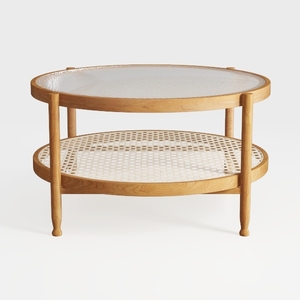
Minimalist Oak Rattan Glass Top Round Coffee Table 3D Model
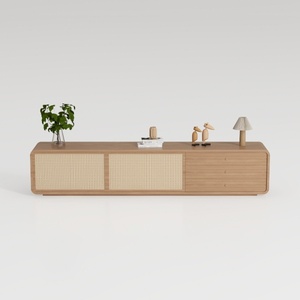
Walker Edison Sasha 4-Door Sideboard Buffet with
Homestyler is your go-to online home design platform! With its user-friendly design tool, stunning 3D renderings, and diverse design projects, you can effortlessly create and visualize your dream spaces. Plus, informative DIY video tutorials make it easy for everyone to get started. Transform your home today!
立即免费设计
































