

In my experience designing numerous entryways and closets, I often observe floor spaces consumed by heaps of shoes. A DIY shoe rack wall provides a smart solution by utilizing vertical storage; this not only helps maintain a neat visual profile but also transforms a simple surface into a standout feature. In compact living spaces, the benefits are almost immediate—more open floor space enhances movement and streamlines daily routines.
The advantages of saving space can be quantified. By implementing vertical wall storage, you can boost usable capacity by 30% to 50% compared to traditional floor-mounted racks of the same footprint. Furthermore, having clear walking paths diminishes the risk of trips, aligning with WELL v2 Movement guidelines that advocate for unobstructed movement for safer daily activities. Behavioral elements, such as color, can assist in organization; research compiled by Verywell Mind suggests that warm colors like red and orange enhance visual attention and memory, making it easier to categorize commonly used footwear.
Planning Your Wall: Dimensions, Areas, and Height
Begin with a quick assessment: categorize your footwear, distinguish between daily and occasional pairs, and measure your wall’s width and height. For most homes, a modular unit that spans 24 to 36 inches and is repeated in vertical arrangements works effectively. Position ankle boots and sneakers at heights of 40 to 50 inches for effortless access, while reserving upper tiers (60 to 72 inches) for seasonal or special-purpose shoes. When organizing shoes for multiple family members, I recommend zoning by person and type—athletic, casual, or formal—to make retrieval intuitive. If you're experimenting with layouts before making permanent changes, consider utilizing visualization tools like Homestyler to simulate spacing, clearances, and swinging door conflicts.
Wall Systems: From Simple Rails to Comprehensive Panels
There are three reliable techniques that cater to most requirements:
Whenever possible, secure your shelf to the wall studs. If you must anchor to drywall, opt for heavy-duty toggles and evenly distribute the load across multiple points. Be sure to maintain at least a 2-inch lateral clearance near door frames to prevent any colliding.
Ergonomics: Access, Angles, and Daily Workflow
During daily use, reach bands are crucial. Position frequently used shoes between 32 and 60 inches high, where shoulder and elbow mechanics function optimally. Heavier footwear is best placed near hip height. For families, designating the lower 16 to 24 inches for children’s shoes minimizes the need for step stools and reduces morning chaos. Ensure a 30 to 36-inch unobstructed path in front of the rack, as this reflects common circulation widths and prevents congestion when two individuals are dressing at the same time.
Lighting: Enhancing Color and Reducing Glare
Effective lighting converts a busy shoe wall into an easily navigable catalog. Aim for a brightness of 300 to 400 lx on the rack’s surface so that selection can occur without straining the eyes. Choose warm neutral lighting between 3000 and 3500K that complements materials like leather and suede, while aiming for a CRI of 90+ for accurate color representation—especially important for distinguishing between dark shades like black and brown. To eliminate glare from reflective surfaces, position fixtures offset and use diffusers; strip LEDs installed beneath shelves can highlight shoes without creating harsh reflections.
Materials: Long-lasting, Easy to Clean, and Eco-Friendly
I typically prefer using high-pressure laminate or sealed hardwood for shelves, as they are easy to clean and stable. For entryways prone to dampness, powder-coated steel or aluminum offers corrosion resistance. Incorporate shallow lips of around 3/4 inch to trap sand and debris. If environmental sustainability is a concern, look for FSC-certified plywood and low-VOC finishes. To tackle odor issues, consider integrating ventilated panels or perforations; proper airflow mitigates moisture and preserves footwear materials like leather.
Color Psychology and Visual Rhythm
Color coding can be remarkably effective. Utilize a consistent stripe or edge color on shelves to distinguish between athletic and formal zones; vibrant accents can facilitate quick sorting while muted color bases maintain a calming visual effect. Create a rhythm by maintaining uniform shelf heights and peg grid spacing, which makes even extensive collections appear organized. Using lighter shelf fronts against darker backs can add a sense of depth without creating an overwhelming effect in narrower spaces.
Acoustic Comfort in Busy Entrances
Shoe walls can become bustling areas. Integrating soft materials—felt liners, cork inlays, or fabric-covered panels—can help absorb sound. These subtle additions reduce the noise from shifting boots and metal components, a particularly beneficial feature in narrow apartments where sound tends to reverberate.
Safety and Weight Distribution
Distribute weight strategically: place heavier boots low and lighter flats higher. For deeper shelves measuring 10 to 12 inches, incorporate concealed brackets or corbels every 16 inches. When stacking items above 6 feet, it’s wise to include a slender rail or ledge lip to prevent accidental slips. Ensure that switches and thermostats remain accessible, and never obstruct emergency exit routes.
Step-by-Step Construction: A Recommended Weekend Project
Smart Additions: Hooks, Bins, and Care Accessories
Incorporate side hooks for laces and bags, use slim bins for insoles, and add a narrow drawer for polish and brushes. A microfiber mat placed at the bottom serves to catch moisture, and should be changed seasonally. For delicate heels, include soft toe stops; for athletic footwear, perforated shelves enhance drying.
Strategies for Compact Spaces
In ultra-small entryways, a single 24-inch column fitted with 6 to 8 shelves plus an overhead bin can be effective. Consider mirroring the opposite wall for an illusion of greater space. If the rack must accommodate a swinging door, tilt shelves at an angle of 8 to 10 degrees and ensure the total projection remains under 9 inches. For studio apartments, integrating the rack into a corridor niche is ideal; a slim curtain can be employed to hide visual clutter.
Maintenance and Durability
Establish a quarterly maintenance routine: rotate seasonal footwear, re-tighten hardware as needed, and refresh labels. Wipe down shelves weekly, as salt and grit can damage surfaces. If lighting begins to dim, inspect connectors before replacing light strips.
References and Design Guidelines
To promote healthy movement and unobstructed flow, refer to the WELL v2 Movement guidelines for creating clear pathways. For effective color selection that aids organization and enhances cognitive recognition, consulting the overview on color psychology from Verywell Mind can prove informative.
FAQ
How high should I store daily footwear?
It's advisable to keep frequently worn pairs between 32 and 60 inches high. This height facilitates comfortable shoulder and elbow access, which helps to reduce strain and expedites retrieval.
What size shelf space is needed for shoes?
A spacing of 9 to 12 inches is generally sufficient for most sneakers and heels. For boots, allocate around 12 inches, and consider adding a 3/4 inch lip to prevent slipping.
Can I anchor shelves to drywall?
Yes, using heavy-duty toggles and distributing weight across multiple anchor points is recommended. However, securing directly into studs every 16 inches is safer for deeper or heavily loaded shelves.
What kind of lighting is ideal for a shoe rack?
Aim for 300 to 400 lx brightness on the rack’s surface, with a color temperature of 3000 to 3500K and a CRI of 90+. Using diffused strip LEDs can help minimize glare on shiny materials.
How can I prevent moisture in my shoe storage?
Utilize ventilated shelves or perforated panels, ensure air gaps between tiers, and place a microfiber mat at the base to absorb moisture effectively.
What’s the best way to organize shoes in a household?
Organize by person and shoe type. Position children’s shoes at 16 to 24 inches, daily pairs for adults at 40 to 50 inches, and seasonal or less-frequent items above 60 inches. Tools like an interior layout planner or room design visualization tool such as Homestyler can assist in optimizing space.
What materials should I consider for shelves?
High-pressure laminate or sealed hardwood is excellent for shelves, along with powder-coated steel for damp environments. Edge-banding plywood ensures a clean and easy-to-maintain surface.
How can I achieve good visual organization?
Use consistent spacing, establish repetitive rhythm, color-code by zone with subtle accents, and store seldom-used footwear in labeled bins at the top to maintain clarity.
What precautions should I take for high-heeled shoes?
Set shelves at angles around 10 to 12 degrees and incorporate soft toe stops for stilettos to maintain shape without placing stress on the heel tips.
How do I ensure safe access in narrow areas?
Maintain a clear path of 30 to 36 inches to prevent bottlenecks and minimize trip hazards.
What strategies are effective in small areas?
Use a narrow single column, keep overall projection below 9 inches, and consider a curtain or sliding panel to manage visual clutter effectively.

Minimalist Solid Oak Wood Side End Table Modern Organic Design 3D Model
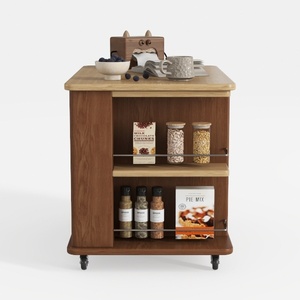
Modern Solid Wood Rolling Kitchen Island Storage Cart 3D Model
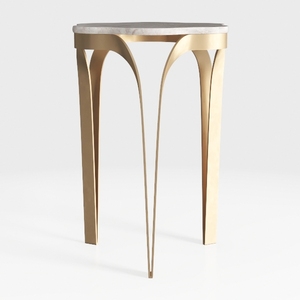
Modern Marble Top Gold Metal Side Table 3D Model
Homestyler is an exceptional online home design platform perfect for anyone looking to transform their space. With its user-friendly design tool, stunning 3D renderings, diverse design projects, and helpful DIY video tutorials, you can effortlessly create your dream home—no experience needed!
지금 무료로 디자인하세요
































