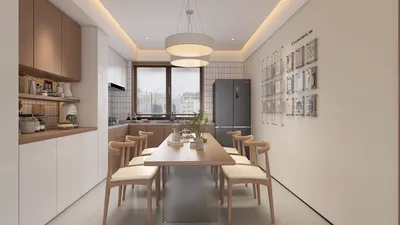


Store-bought air fresheners generally only cover up odors without actually enhancing the air quality or sensory experiences in spaces. Personally, I favor creating my own room scents as it allows me to select the ingredients, adjust the fragrance based on the room's purpose, and steer clear of synthetic ingredients. An effective homemade air freshener should achieve three fundamental goals: eliminate unpleasant odors, disperse scents evenly, and blend seamlessly with the overall decor, lighting, and activity patterns in the room.
The quality of indoor air and the presence of pleasant scents significantly influence both comfort and behavior. Research from Steelcase illustrates that sensory factors, including air quality, are critical for cognitive performance and overall well-being in work environments; spaces that effectively manage sensory input report higher levels of comfort and concentration. The WELL Building Standard v2 emphasizes minimizing volatile organic compounds (VOCs) and promoting air quality management; this is why I prefer to use simple, familiar ingredients and limit essential oils in my DIY concoctions. Moreover, insights into color psychology from Verywell Mind suggest that calming colors such as blue and green pair beautifully with fresh, herbal scents for bedrooms, while warmer tones complement comforting, gourmet fragrances.
Fundamental Guidelines for DIY Room Fresheners
I adhere to three core principles: odor elimination, controlled diffusion, and sensory compatibility. First, focus on neutralizing odors—utilize baking soda or vinegar in frequently used areas like the kitchen and entrance. Next, select a diffusion strategy that aligns with the room's dimensions and air circulation. Finally, harmonize scent families with the activities they support: invigorating citrus for daytime workspaces, gentle florals or woodsy scents for relaxation zones, and herbal aromas in kitchens to maintain compatibility with food aromas.
Technique 1: Baking Soda Jar Deodorizer (Passive, Non-Misting)
Ideal for: closets, shoe storage, and bathrooms. Fill a small jar with about 3–4 tablespoons of baking soda. Optionally, add 8–12 drops of essential oil, mix well, and cover with breathable fabric secured by a band. Refresh the baking soda every 3–4 weeks. This method absorbs odors without overwhelming the air with fragrance, making it perfect for compact spaces.
Technique 2: Essential Oil Reed Diffuser (Low-Maintenance)
Ideal for: living rooms, entryways, and guest rooms. Mix 1/2 cup of a carrier oil (like sweet almond or fractionated coconut) with 1–2 tablespoons of high-proof alcohol to thin it out. Then, add 25–35 drops of your chosen essential oil blend. Pour this mixture into a narrow-neck glass bottle and insert 6–8 rattan reeds. Turn the reeds every 3–4 days to enhance fragrance diffusion. Position away from direct sunlight to slow evaporation and extend their lifespan.
Technique 3: Linen and Room Spray (On-Demand)
Ideal for: bedrooms and soft furnishings. In a 100 ml amber spray bottle, combine 70 ml distilled water, 25 ml high-proof vodka (which acts as a solubilizer), and 30–40 drops of essential oil. Shake before usage. Mist pillows from a distance of 12–16 inches, avoiding delicate fabrics like silk or rayon. This method offers the most control for quick refreshes or guest use.
Technique 4: Simmer Pot or Gentle Diffusion (Kitchen-Friendly)
Ideal for: open kitchens and dining spaces. Simmer citrus peels, cloves, and a cinnamon stick in a small pot for 20–30 minutes. Ensure to maintain water levels. This method provides a warm, seasonal aroma without the risk of aerosolizing oils around cooking areas.
Technique 5: Gel Air Freshener (Pet and Child-Safe)
Ideal for: playrooms and hallways. Bloom 1 tablespoon of powdered gelatin in 1/4 cup of cold water. In another pot, heat 3/4 cup of water until steaming, then combine with the gelatin, stirring until it becomes clear. Mix in 1 tablespoon of salt (which acts as a mold inhibitor), 20–30 drops of essential oil, and optionally, a drop of natural food coloring. Pour this mixture into small jars and allow to set for 4–6 hours. The gel gradually releases fragrance over a span of 2–4 weeks.
Scent Architecture: Aligning Aroma with Space and Activity
- Focus and clarity: Use bright citrus scents (like lemon and grapefruit), rosemary, and peppermint in morning work areas and study spaces. Align these fragrances with cooler task lighting (4000–5000K) to maintain an active and refreshing environment.
- Relaxation and recovery: Opt for lavender, chamomile, and cedarwood in bedrooms, complemented by warm dim lighting (2700–3000K).
- Inviting social zones: Choose soft wood scents (like sandalwood), vanilla, and bergamot in living areas. Pair these with mid-warm ambient lighting and soft textiles to provide a welcoming atmosphere without an excessively perfumed feeling.
Ergonomics of Scent Placement
Individuals perceive scent trails as they navigate through spaces. Avoid situating diffusers at nose level near seating areas; position them slightly off-path to allow fragrance to reach occupants subtly and gradually. It's best to place them 2–4 feet from frequently used walkways and at least 3 feet away from HVAC returns to maintain even diffusion rather than instantly drawing scents into ducts.
Air, Light, and Acoustic Context
I consider scent an added layer, not merely a cover-up. First, tackle any source odors (through ventilation, cleaning, and caring for soft furnishings), and then add your scents. In smaller rooms, minimizing glare from lighting and incorporating sound-absorbing elements (like curtains and rugs) can make gentle fragrances feel more inviting and reduce the risk of sensory overload. It’s advisable to reference lighting standards from the IES for specific tasks, while maintaining lighter scents in areas where focus is critical.
Safety, Dilution, and Sensitivities
- Limit essential oil concentration to 2% or lower in sprays for general use; this equates to approximately 2 ml per 100 ml of the solution.
- Avoid using diffusers around infants, pets, or individuals with respiratory sensitivities, as certain oils (such as eucalyptus or tea tree) may cause irritation.
- Use amber or cobalt bottles to shield volatile compounds from light exposure. Label your blends with dates to track freshness; aim to replace room sprays every 6–8 weeks to keep them effective.
Three Reliable Starter Blends
- Clean Citrus: 10 drops of lemon, 8 drops of bergamot, and 6 drops of petitgrain.
- Herbal Kitchen: 8 drops of rosemary, 6 drops of basil, and 6 drops of lemon.
- Restful Wood + Floral: 10 drops of lavender, 6 drops of cedarwood, and 4 drops of sweet orange.
Placement and Layout Tips for Small Spaces
In limited living spaces, gather scent sources away from cooking areas and near entrances to prevent odor conflicts. Use only one active diffuser per small room to avoid scent overcrowding. If you’re experimenting with locations, consider using a room layout tool like Homestyler to visualize traffic flow and air movement, allowing you to place diffusers in low-traffic corners for a gentler fragrance distribution.
Maintenance and Longevity
Rotate reeds weekly, replenish gels every 2–3 weeks, and change scent families with the seasons to avoid olfactory fatigue. Clean diffuser containers with warm soapy water between uses to eliminate cross-contamination of scents. For baking soda jars, keep them fresh by stirring weekly and replacing the contents monthly.
Evidence and Further Reading
For evidence-based frameworks on indoor environmental quality, refer to the WELL Building Standard’s recommendations regarding air quality and scent, along with Steelcase's research focused on sensory experience and productivity. Both underscore the significance of using low-emission materials and creating considered sensory experiences.
FAQ
Aim for a subtle presence of scent—noticeable within a 3–5 feet radius but never overpowering. If guests remark on the fragrance as overly strong upon entering, reduce the oil concentration by 25–50%.
Natural oils aren’t automatically safer options; both natural and synthetic fragrances can irritate sensitive individuals. Select high-quality oils, keep dilutions minimal (roughly 1–2% for sprays), ensure adequate ventilation, and avoid continuous diffusion in occupied spaces.
Implement source control measures first: empty trash bins daily, clean drainage systems, and maintain proper ventilation. Using baking soda as an absorber in cabinets and a simmer pot with citrus peels post-cooking are better alternatives to heavy perfumes that may mix with food scents.
Absolutely. Unscented, high-proof alcohol facilitates oil dispersion and speeds evaporation, enhancing the spray’s drying effect. Remember to shake before each use, as separation can still occur.
Position the diffuser 2–4 feet from primary pathways and away from direct sunlight or air vents. This setup prevents rapid evaporation and allows for a consistent, gentle scent flow throughout the seating area.
Typically, fragrance lasts between 2–4 weeks depending on temperature and humidity levels in the room. Adding a teaspoon of salt per cup of water can help slow microbial growth and prolong clarity.
For relaxation scents like lavender and cedarwood, employ warm dim lighting within the 2700–3000K range. Conversely, cooler lighting (4000–5000K) is ideal for energizing blends in workspaces or kitchens.
Limit to one primary scent source in compact areas. In larger open layouts, you might introduce two complementary profiles (like herbal scents near the kitchen and soft wood aromas in the lounge) while ensuring they don’t conflict along traffic areas.
To ensure proper application, perform a spot test by holding the spray bottle at least 12–16 inches away, and avoid delicate fabrics such as silk or rayon. Opt for distilled water and clear oils to minimize any residue risks.
Lighter citrus scents (like lemon and bergamot), green tea fragrances, and subtle woods are often perceived as clean and unobtrusive. Steer clear of rich gourmand or intense floral fragrances for shared spaces to maintain a pleasant atmosphere.
Always consult with a veterinarian first since many essential oils can adversely affect cats and certain dogs. Ensure proper ventilation and allow pets the option to leave the room; when in doubt, consider alternatives like baking soda or gel methods that utilize minimal oils.
Homestyler is your go-to online platform for home design! With an easy-to-use design tool, stunning 3D renderings, and a wealth of DIY video tutorials, you can effortlessly create and visualize your dream spaces. Transform your ideas into reality today!
立即免费设计
































