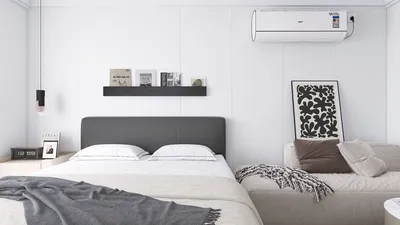


When it comes to DIY room decoration, I adopt a strategy similar to how I handle projects for clients: I start with a clear purpose and then enhance the space with personal touches. A room designed around your daily routines will exude more of your personality than one that simply follows the latest trends. This approach entails balancing elements such as lighting, color, acoustics, and ergonomics alongside enjoyable crafting moments.
Even in DIY projects, the performance of your space is crucial. According to the Illuminating Engineering Society, desk task lighting should aim for 300-500 lux, while bedrooms are best lit with warm 2700K light for a good night's sleep. The WELL v2 standard associates access to natural views and adjustable lighting with improved cognitive abilities and better sleep patterns. When you combine these guidelines with color choices that affect mood—like calming blues and greens, or energizing yellows in moderation—you set a strong foundation for decor that is both visually appealing and functional. For quick spatial assessments before execution, utilizing an interior design tool for layout planning allows you to rearrange furniture and sightlines digitally.
Define Your Purpose: A Customized Space Begins with Behavior
I first analyze activities: where will you read, relax, work out, or entertain guests? Research from Steelcase indicates that comfort and productivity are linked to varied postures and activities; applying this knowledge at home means creating specific zones for focused tasks, social gatherings, and relaxation. After determining these areas, I will designate appropriate light levels, access storage at optimal heights, and select materials tailored to each use case.
Budget-Friendly Lighting Layers for DIY Transformations
Lighting can dramatically update a room and is a quick DIY improvement. I like to incorporate three types of lighting: ambient, task, and accent. Here are some effective strategies:
Tip: Consider incorporating smart plugs for different lighting moods such as “Focus,” “Dinner,” or “Wind Down,” allowing you to set the ambiance with just a tap.
Wall Ideas: Maximal Impact with Minimal Effort
Walls dictate the rhythm of the room. I suggest executing one major impact element per area:
For smaller spaces, maintain a color distribution of 60% neutral base, 30% secondary color, and 10% accent. This balance ensures controlled energy and visual unity.
Furniture Updates: Enhance Instead of Overbuild
Rather than purchasing new pieces, I prefer to upcycle with thoughtful modifications:
Prioritize ergonomics in your furniture choices. Desk heights should be around 28-30 inches and chair heights should ideally range from 17-19 inches, with forearms resting parallel to the work surface for comfort.
Textiles: Sound Absorption and Aesthetic Charm
Soft materials can significantly affect acoustics. Layering a thick rug (at least a 0.5 cm pile), lined curtains, and upholstered panels behind beds or desks can minimize echo. I often start with calming base colors—like sage, dusty blue, or mushroom—and then add vibrant elements through small accents like a saffron blanket, coral details, or cobalt vases. Keep in mind the scale of patterns; pairing a bold motif with smaller textures can maintain balance in the design.
Storage Solutions That Double as Design Elements
A cluttered space diminishes the sense of openness. I advocate for multi-tiered storage solutions:
Creative storage ideas that appear intentional include wall-mounted pegboards with hooks for bags and headphones, stacked painted crates as bookshelves, and floating nightstands that free up floor space and enhance the perception of room size.
Incorporating Nature: Effortless Biophilic Elements
Plants can improve air quality and break visual monotony. I arrange a trio of plants in varying heights (tall, medium, trailing) to create a mini-canopy effect. Choose matte ceramic or limewashed pots that blend well with wall textures, and for low maintenance, consider preserved moss frames for both color and sound dampening.
Micro-Zoning with Layout Strategies: Optimize Small Spaces
I create micro-zones through rugs, lighting arrangements, and furniture positioning instead of adding more walls. Floating a sofa 8-12 inches from the wall creates an inviting depth, and ensuring clear lines of sight contributes to an open feel. For studio apartments, a circulation space of 30-36 inches is essential. When designing, I experiment with different layouts in a simulation tool, assessing clearances, natural light flow, and visual angles before moving any furniture.
Choosing Sustainable Materials: Aesthetic and Eco-Friendly
Opt for low-VOC paints and formaldehyde-free plywood wherever possible. Natural fiber textiles like cotton, linen, and wool not only age gracefully but also absorb sound more effectively than synthetic alternatives. For high-use DIY projects (like handles or desktops), I recommend solid wood and powder-coated metals for durability and ease of maintenance.
Quick Weekend DIY Projects
Personal Art and Memorable Touches
Rooms truly feel personal when they showcase your own stories. Enlarge photographs to 12x16 inches with white frames for a gallery-style display, arrange concert tickets in a linear format, or create a patchwork of fabric remnants in a single frame. Dedicate one shelf for a “living vignette” and change it up seasonally to keep the space fresh.
Maintenance: The Underappreciated Element of Design
Effective DIY projects are maintainable. Use finishes that are easy to clean in high-traffic areas, stock a small touch-up kit with labeled paint formulas, and incorporate a 15-minute weekly reset into your schedule. The best designs are those you can sustain over time.
FAQs
Aim for 300–500 lux at work surfaces, with a neutral color temperature of 3500–4000K for optimal visual comfort according to IES guidelines.
Soft blues, greens, and gray-beiges evoke tranquility and create a sense of spaciousness. Verywell Mind associates these colors with relaxation, making them ideal for sleep environments.
Use LED strip lights behind headboards, mirrors, or TV consoles. These add depth, reduce glare, and create an adjustable atmosphere for evenings.
Incorporate a thick rug, lined curtains, and at least one upholstered panel or bookshelf wall. Soft surfaces are effective at absorbing mid-to-high frequencies that can create unwanted noise.
Use an interior layout planner to visualize options and verify circulation paths of 30-36 inches, daylight access, and sightlines before moving anything.
Desk heights should be approximately 28–30 inches, chair seats around 17–19 inches, while ensuring that monitor tops are at eye level. If necessary, use a keyboard tray to keep wrists neutral.
Yes, these options are suitable for renters or those new to DIY. They provide significant visual impact, easy installation, and are removable without damage. Choose one feature wall to manage costs and visual intensity.
Select low-VOC paints, formaldehyde-free plywood, solid wood, and powder-coated metals. Natural textiles such as linen and wool add durability and improve acoustic comfort.
Start with classic neutrals (warm whites, greiges, charcoal), introduce a muted color, and reserve bold accents for smaller, changeable items.
Ensure at least the front legs of seating are on the rug, leaving 8-12 inches visible around coffee tables. This helps unify the space and enhances acoustics.
Absolutely. Use warm 2700K bulbs with dimmers in the evening and brighter, cooler task lighting during the day. Blackout curtains help maintain circadian rhythm.
Arrange similar items by theme on one shelf or within a grid frame. Limit varied finishes and maintain consistent spacing to achieve a curated appearance.
Homestyler is an exceptional online home design platform that empowers you to create stunning spaces effortlessly. With its user-friendly design tool, impressive 3D rendering, diverse design projects, and informative video tutorials, transforming your home into a masterpiece has never been easier!
Design Now for FREE
































