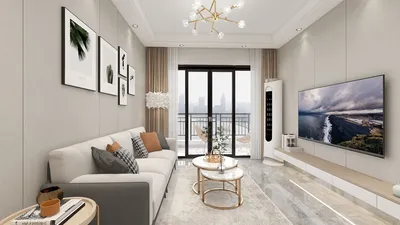


For more than ten years, I have designed plant tables for various clients and my personal space. The most effective designs incorporate essential elements such as light, height, drainage, and regular maintenance routines. When constructed thoughtfully, a plant table can evolve into a flourishing micro-garden, making upkeep straightforward without compromising aesthetic appeal or floor area.
The health of your plants depends significantly on measurable light levels and the ease of interaction. Recommendations suggest that areas meant for general tasks should maintain light levels between 300–500 lux, while many indoor plants flourish under ambient lighting conditions around 200–400 lux. For instance, peace lilies and pothos thrive well around 200 lux, while succulents prefer brighter regions closer to 500 lux. Moreover, maintaining an ergonomic reach of 15–20 inches helps minimize uncomfortable postures during watering or pruning, in line with established ergonomic standards. Before making any alterations, utilize a room layout tool to visualize sun angles, traffic patterns, and storage configurations, ensuring your plant table integrates seamlessly.
The color temperature and ambiance are just as crucial as brightness levels. Insights from research highlighted by Verywell Mind indicate that warmer shades enhance comfort, while green tones contribute to a soothing atmosphere. This knowledge can guide your selections regarding finishes and surrounding wall colors, promoting an inviting freshness without overwhelming brightness.
Design Principles: Height, Light, and Drainage
I typically maintain table heights between 30–34 inches for routine plant care, aligning with standard counter heights to provide comfort and avoid any strain. To assess lighting, a simple lux meter application can offer precise measurements, positioning the table within 3–6 feet of a window. Employ sheer curtains to lessen glare while allowing sufficient light through, and opt for a 2700–3500K LED light for an inviting evening glow. In areas with direct sunlight, slightly adjust the table’s orientation to prevent leaf burn, and incorporating a matte backsplash can help reduce glare that might irritate both people and plants.
Drainage is imperative. I design my tables with a two-layer top: a slatted upper deck made from either sealed hardwood or powder-coated steel, complemented by a removable tray underneath to catch excess water. A gentle 1–2% backward slope keeps spills away from the front. If you're renting, using silicone edge gaskets and a tray liner can prevent water stains.
Materials That Work Indoors
Select moisture-resistant materials that feel warm to the touch. Using FSC-certified ash or oak treated with waterborne polyurethane provides protection against swelling, while bamboo plywood is both stable and eco-friendly. Additionally, powder-coated aluminum frames withstand humidity better than unprotected steel. For tabletop surfaces, high-pressure laminate over birch plywood offers neat edges and easy cleaning. Using cork pads beneath planters can dampen micro-vibrations and safeguard finishes.
For areas with high humidity, like bathrooms or sunrooms, marine-grade plywood with an exterior finish remains structurally sound. If you desire a stone-like appearance, consider utilizing sintered stone or compact laminate materials to retain stain resistance without the significant weight associated with natural marble.
Light-Tuning: Natural and Supplemental
It's essential to recognize that not all windows offer the same quality of light. East-facing windows provide gentler light, ideal for herbs, whereas south-facing spaces may benefit from some light diffusion. Track light readings over a week, observing both morning and afternoon lux levels as well as the behavior of plant leaves. For supplemental lighting, combining full-spectrum LED grow strips in the 4000–5000K range with timers set to 12–14 hours proves effective for many light-dependent species. Ensure fixtures are 12–18 inches above the foliage, and allow passive airflow to manage heat.
Acoustic comfort is crucial, especially if the plant table is situated in a living area. Steer clear of noisy fixtures and select drivers equipped with high-quality dimming capabilities, opting for quieter fans if adding ventilation. Employing felt underlays or cork coasters can significantly reduce noise when setting down watering cans or ceramic pots.
Five DIY Plant Table Concepts
Perfect for tight spaces such as hallways or behind sofas, this design measures 10–12 inches deep with an approximate height of 32 inches. A recessed stainless steel tray beneath the slats can catch any overflow, and a front lip can prevent pots from sliding off. Position it near an east-facing window, ensuring mid-morning lux levels are around 200–300.
Utilize a triangular footprint that fits snugly into corners. Three tiers with 10–12 inch spacing provide ample room for various plant heights while enhancing daylight exposure. A desaturated green paint finish can promote calmness and visually integrate with the plants.
Use a powder-coated aluminum frame with soft casters for easy movement. Incorporate a perforated top to facilitate airflow and promote rapid drying; keep the overall width below 24 inches for effortless circulation. This design is optimal for turning succulents towards brighter light areas, aiming for lux levels of 400–500.
A counter-height rail design featuring shallow trough planters augmented with an under-shelf grow strip proves functional. Maintain a light schedule of 12–14 hours throughout the winter months; herbs flourish with light levels of 300–400 lux and regular harvesting. Align the bar to synchronize with your preparation workflow for quick access to cuttings.
Extend a windowsill with an 18-inch high platform for larger planters, ensuring reinforcement with angle brackets to support the weight. Add a back drip guard and apply a matte white finish to reflect light upwards without the risk of glare.
Layout and Circulation
Before constructing your table, plan out traffic patterns, window access, and pathways for watering. Utilizing an interior layout planning tool can assist in visualizing clearances and maintaining 30–36 inches of walkable space. Ensure vents remain unobstructed, and guarantee that the table is easily reachable from your water source. If pets are part of the household, be mindful to elevate toxic plants and use weighted ceramic pots to prevent tipping.
Finishes, Color, and Mood
Colors influence behavior significantly. Muted greens and warm neutrals offer visual relaxation, while a satin finish minimizes glare from evening lighting. If you desire energy within your workspace, consider integrating subtle pops of coral or terracotta around your planters, balanced with natural wood to prevent overstimulation. Grouping foliage by texture, such as matte against glossy leaves, can create rhythm and a clear visual hierarchy.
Sustainability and Care
Be mindful of sourcing. Opt for reclaimed wood treated with clear, water-based finishes, low-VOC adhesives, and modular shelving that can adapt as your plant collection evolves. A moisture meter can help you prevent overwatering, which is a common cause of root issues. Additionally, design storage space for tools—such as shears, misters, and fertilizers—within a comfortable reach of 15–20 inches to streamline daily routines.
Step-by-Step Build: A Balanced Console
1) Plan your structure: 36–48 inches long, 10–12 inches deep, and 32 inches high. Mark wall studs if attaching a safety strap is necessary.
2) Construct the frame: rip 1x2 hardwood for side rails, and secure with pocket screws to craft a clean finish.
3) Prepare the top: ensure slats are spaced 1/4 inch apart to allow airflow; seal all sides prior to assembly.
4) Install the catch tray: utilize a removable stainless pan or HDPE liner with a slight inclination towards the back for efficient runoff.
5) Apply the finish: use satin waterborne polyurethane and attach felt feet to safeguard your flooring.
6) Position and adjust: measure lux levels, modify the distance from the window, and introduce a 2700–3500K ambient lamp for evening use, while verifying comfortable reach areas.
Maintenance Routine
Every week: clean leaves, empty runoff trays, check moisture meters, and rotate planters a quarter turn for even growth. Monthly: reseal any distressed edges and inspect for stability, ensuring casters are leveled. Seasonally: adjust bulb timings and relocate plants sensitive to heat away from radiators.
FAQ
Q1: What height is most suitable for a plant table?
A: Most individuals find heights of 30–34 inches comfortable for both watering and pruning, corresponding to common counter-height ergonomics, which helps minimize forward bending.
Q2: How much light do indoor plants typically require?
A: Numerous popular houseplants generally thrive in lighting levels of 200–400 lux; however, succulents and herbs often prefer conditions closer to 400–500 lux. Always measure light near the leaves and adjust their placement accordingly.
Q3: What color temperature is advisable for evening visibility?
A: A gentle 2700–3500K LED will ensure that the foliage appears visually appealing while minimizing glare. For supportive growth, full-spectrum strips in the 4000–5000K range are highly effective.
Q4: How can I avoid water damage to my surfaces?
A: Implement a slatted top complemented with a detachable catch tray, meticulously seal wooden edges, and apply silicone gaskets to critical joints to safeguard against leakage. Make it a routine to empty the tray on a weekly basis.
Q5: Which materials are most resilient to humidity?
A: Choices like powder-coated aluminum, sealed hardwoods, high-pressure laminate, and marine-grade plywood offer strong resistance against warping. It’s advisable to steer clear of raw steel and unfinished MDF.
Q6: What clearance should be preserved around the table?
A: Aim to maintain a space of 30–36 inches for circulation while ensuring that vents remain unobstructed. If pets are around, position any toxic plants higher up their reach.
Q7: How far should grow lights be placed from the leaves?
A: Generally speaking, maintaining lights around 12–18 inches above the foliage ensures a balance between intensity and the prevention of heat stress, though adjustments should be made based on the plant species.
Q8: How does color affect the ambiance around my plant table?
A: Soft greens and warm neutral tones contribute to a calming atmosphere; subtle warm accents can inject energy. Color psychology indicates that shades of green are effective in creating serene environments.
Q9: Is a timer necessary for supplemental lighting?
A: Absolutely—consistency is key. Schedule 12–14 hours of light for plants that thrive under full sun, and decrease exposure for shade-preferring species to minimize stress.
Q10: What strategies can I use to improve acoustics near the table?
A: Opt for quiet LED drivers, incorporate felt or cork bases under pots, and avoid surfaces close to the setup that could create noise echoes.
Q11: How should I plan the layout prior to construction?
A: Experiment with layouts, tracking sunlight access and reach zones using a layout simulation tool to guarantee accessibility and sufficient light exposure.
Q12: How frequently should wooden surfaces be resealed?
A: Conduct monthly inspections; areas that experience significant wear should ideally be resealed every 6–12 months, depending on environmental exposure and cleaning routines.

Homestyler is your go-to online platform for home design, making it easy to create stunning spaces. With its user-friendly design tool, impressive 3D renderings, and a wealth of DIY video tutorials, you'll be inspired to bring your vision to life, regardless of your experience level!
立即免费设计
































