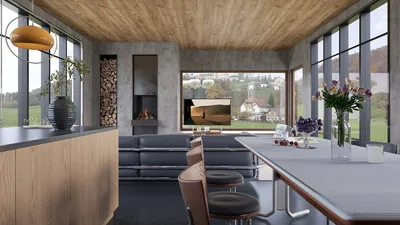


Having crafted and refurbished numerous outdoor tables, I've come to realize that the most cherished pieces are those that marry strong joinery, weather-resistant materials, and genuine farmhouse aesthetics. This guide offers a practical DIY method designed for gatherings, optimized for outdoor use, and crafted to ensure your table ages beautifully instead of merely becoming old.
The first consideration is scale and seating. A tabletop measuring 72–84 inches by 36–40 inches can comfortably accommodate 6–8 adults, while a height of 30 inches aligns well with the ergonomic standards for dining chairs recommended by industry experts. Research from Steelcase and Herman Miller consistently highlights neutral joint angles around 90 degrees for comfortable seating, which is ideal for dining scenarios. Additionally, WELL v2 emphasizes ergonomic support across various environments; hence, I design dining heights in the 29–30 inch range to facilitate knee clearance and relaxed shoulders.
The second essential pillar is outdoor durability. WELL v2 underscores the importance of material health and environmental quality for occupant comfort, and design studies frequently indicate that long-lasting user satisfaction relies on finishes and maintenance routines that limit off-gassing and weather-related degradation. Practically speaking, this means selecting wood species and coatings that withstand UV rays, moisture, and seasonal expansion. With proper joinery, you can prevent the issue of wobbling legs after just one winter.
Design Intent: Genuine Farmhouse Charm without Excess Bulk
Farmhouse design embraces simple lines, visible wood grain, and robust proportions. My favorite style features a plank top with breadboard ends, supported by a trestle or four-post base, and gently rounded edges. Maintain a balance in visual weight: a top thickness of 1.5–1.75 inches appears substantial without being overly bulky, while leg thickness between 3.5 and 4 inches looks sturdy yet sophisticated. Strive for a leg-to-top thickness ratio close to 2:1 to prevent a top-heavy appearance.
Layout and Space: Plan Before You Cut
Map out the movement around your patio. Leave a minimum of 36 inches of clear space around the table for easy navigation and chair pull-backs. If your terrace is small, consider a tabletop measuring 66 inches by 34 inches with a bench on one side to optimize chair space. To visualize furniture placement, you might use a user-friendly interior layout planner like the one offered by Homestyler to test the flow. Ensure to check door swings, grill placements, and sun angles so that the table fits naturally in the area.
Material Selection: Smart Choices for Weather Resistance
Choose wood species known for their outdoor resilience. Options like teak, white oak, ipe, and thermally-modified ash stand up well to moisture and decay. If you're on a budget, you might use pressure-treated pine for the base while opting for a higher-quality top. Make sure to utilize stainless steel (A2/A4) or silicon bronze fasteners to avoid staining. For adhesives, waterproof choices such as polyurethane or Type I exterior-rated glue are advisable.
The finish you select is just as crucial as the wood species. Penetrating oil finishes (like marine-grade tung oil blends or teak oils) are easy to maintain and keep the grain feeling natural, whereas high-solids exterior urethanes offer extended intervals between maintenance but may chip under intense UV exposure. You should plan for annual re-oiling in sunny conditions or reapplying topcoats every 2–3 seasons with film finishes. Whenever possible, choose low-VOC products that comply with WELL v2 material health recommendations.
Joinery: Designed for Seasonal Movement
All wood expands and contracts; outdoor wood experiences significant shifts. Utilize breadboard ends with floating tenons or dowels to maintain a level top while permitting cross-grain expansion. Secure the top to the base using slotted brackets or figure-8 fasteners to allow for movement without tearing screws. Employ mortise-and-tenon or half-lap trestles to achieve the durability that pocket screws alone won't provide. If you do resort to pocket screws, treat them as secondary aids rather than the main structural elements.
Cut List and Dimensions (6–8 Seater)
Top: five to seven planks measuring 6–7 inches wide by 72–84 inches long and 1.5 inches thick; breadboard ends 1.5 inches thick matching the table width. Legs (4): 3.5–4 inches square and 28.5 inches tall (assuming a 1.5 inch top for an overall height of ~30 inches). Aprons: 1 x 4 or 1 x 5 stock, cut to fit, positioned 10–12 inches off the ground to allow for knee space. Stretchers: 1.5 x 3–4 inch, centered to combat racking.
Construction Steps: A Simple Path
1) Mill and acclimatize the boards: Joint, plane, and let the lumber acclimate in a dry area for 48–72 hours. Align grain and color to create a harmonious top.
2) Glue the top: Alternate the growth rings to minimize cupping. Employ cauls to keep the edges flush. Be careful not to over-clamp—steady pressure will suffice.
3) Attach breadboard ends: Cut a 1–1.5 inch deep tongue across the tabletop. Create corresponding mortises in the breadboard ends. Peg the central tenons tightly and the outer ones in elongated holes to permit movement.
4) Construct the base: Use mortise-and-tenon joinery for the legs and aprons, or create a trestle with housed half-laps. Perform a dry fit, then glue and clamp to maintain square. Include a center stretcher to prevent racking.
5) Affix the top: Utilize figure-8 fasteners or Z-clips in elongated slots. Check the diagonals for squareness, aiming for a tolerance within 1/16 inch.
6) Edge treatment: Round off the edges with a 1/8 inch roundover. This not only enhances the handmade appearance but also reduces chipping while protecting the finish.
7) Sand and finish: Sand to a grit of 120–150 for oil finishes (for better penetration) or 180–220 for film finishes. Apply two to three coats according to the product specifications, reducing the sheen to a low luster for authentic farmhouse style.
Comfort, Lighting, and Outdoor Behavior
For outdoor dining, the ambiance benefits from soft, glare-free lighting. The Illuminating Engineering Society suggests avoiding direct glare and achieving a balance between vertical and horizontal illuminance; thus, utilize warm fixtures in the 2700–3000K range under pergolas or string lights with diffusers to soften the highlights on the table. Keep the light fixtures out of direct sightlines to reduce squinting at dusk. To manage acoustics, adding planters, soft textiles, or a nearby textured wall can help disperse sound and maintain clear conversations, even when the grill is active.
Color and Finish Psychology
Color has the power to influence mood around the table. According to Verywell Mind’s insights on color psychology, warm tones are generally inviting, while cooler shades are calming. In terms of wood finishes, medium oil treatments usually give off a warm, sociable vibe; if your patio leans towards hot and bright, consider cooler options—such as gray-washed oak or neutral teak—to ensure the environment remains comfortable rather than overwhelming.
Maintenance: Ensuring Longevity
Position the table where water can drain efficiently to avoid puddles forming underneath the legs. Consider adding discreet nylon glides to protect the feet from moisture absorption. Clean the surface with a mild soap, soft brush, and rinse; avoid pressure washing, as it can damage fibers. Plan for annual re-oiling or lightly sanding and recoating film finishes every 2–3 seasons. Occasional checks for minor seasonal changes are normal; attend to splinters promptly with a quick sand.
Sustainability Considerations
Whenever possible, opt for FSC-certified wood. Using durable species significantly lessens replacement intervals—an often overlooked sustainability advantage. Choose low-VOC exterior finishes in alignment with WELL v2 material standards, and minimize waste by strategically cutting your lumber from standard lengths to avoid offcuts. Those offcuts make excellent serving boards or can be repurposed for bench support.
Styling Your Finished Table
Keep the styling simple: stoneware, linen runners, a galvanized vase, and minimal candle holders will do. Layer various textures—raw wood, matte ceramic, and soft textiles—to create inviting warmth. If your patio receives strong sunlight, opt for a neutral umbrella material to prevent any color casting onto the food.
FAQ
Q1: What size is ideal for a farmhouse outdoor table?
A tabletop of 72–84 x 36–40 inches seats 6–8 comfortably, while ensuring at least 36 inches of clearance around it for movement.
Q2: Which wood species are best for outdoor use?
Teak, white oak, ipe, and thermally-modified ash are excellent. If you're budget-conscious, consider using pressure-treated pine for the base and higher-grade wood for the top.
Q3: How can I protect my table from the elements?
Opt for exterior-rated finishes: penetrating oils for easy upkeep or high-solids urethanes for prolonged protection. Anticipate annual oiling in bright sunlight or re-coating every 2–3 years for film finishes.
Q4: What joinery techniques prevent warping?
Utilize breadboard ends with floating tenons or dowels, along with slotted fasteners for top attachment, and consider mortise-and-tenon bases to reduce warping while accommodating seasonal shifts.
Q5: Is it necessary to use stainless fasteners?
Absolutely. Stainless steel or silicon bronze fasteners are crucial as they resist corrosion and staining—essential for outdoor applications.
Q6: What type of lighting is best for an outdoor table?
Warm 2700–3000K fixtures paired with diffused string lights are effective at reducing glare. Ensure light fixtures are out of direct line of sight to create a balanced and comfortable atmosphere, following IES recommendations.
Q7: How high should benches be if I opt out of chairs?
Benches should ideally be 17–18 inches high to match a 30 inch table, ensuring comfortable knee angles during dining.
Q8: Are pocket screws sufficient for assembly?
Use pocket screws primarily as aids; rely on mortise-and-tenon, housed laps, or dowel/tenon systems for structural integrity—pocket screws alone might loosen outdoors.
Q9: What edge profile suits a farmhouse style best?
A gentle 1/8 inch roundover or eased edges lend a handmade look, feel comfortable to touch, and help prevent chips on corners.
Q10: How can I manage noise outdoors?
Incorporate soft surfaces—like outdoor rugs, planters, and textured walls—to disperse sound and ensure clear conversations during gatherings around the table.
Q11: What steps can prevent leg rot?
Incorporate nylon glides or stainless feet, ensure proper drainage for water, and avoid placing legs directly into soil or grass. Seal the end grain thoroughly to protect it.
Q12: What sheen is most suitable for finishes?
A low luster or matte finish complements the rustic aesthetic and hides weathering more effectively than a high gloss finish.
Discover your design potential with Homestyler! This user-friendly online platform offers a powerful design tool, stunning 3D renderings, and a vast collection of design projects and DIY video tutorials. Transform your home effortlessly and unleash your creativity today!
تصميم الآن مجانا
































