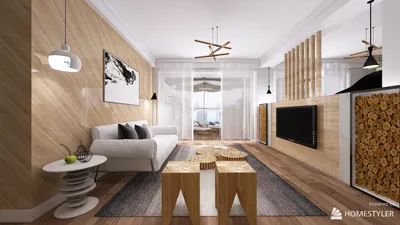


I have always been fascinated by how mid-century modern (MCM) design transforms simple geometric forms and authentic materials into enduring pieces. If you're looking to enhance your walls without the hassle of scouring vintage shops, these DIY projects are inspired by MCM characteristics—bold shapes, subtle color schemes, and inviting warmth—while remaining feasible with basic tools and a weekend's time.
Prior to starting, it's essential to keep two key principles in mind. Research from Gensler shows that thoughtful visual design fosters concentration and well-being when it strikes a balance between variety and coherence—a quality that MCM achieves through organized geometry and rhythmic color. Additionally, the WELL Building Standard v2 underscores the importance of visual comfort—managing glare and contrast—as a factor in cognitive performance; applying this to wall art advises the selection of matte finishes and surfaces that prevent unwanted reflections. I always consider these aspects when selecting paints, veneers, and protective coatings.
The choice of color is critical. An overview from Verywell Mind discusses how warm colors can invigorate a space, while cool tones create a calming atmosphere. Mid-century color palettes often combine both—envisioning terracotta and mustard set against shades of teal or Windsor blue—resulting in compositions that feel dynamic yet serene. For lighting, I adhere to IES recommendations for balanced illumination to circumvent harsh reflections on glossy artwork; employing a matte sealant or wax finish maintains clarity of your creations in everyday lighting.
Geometric Relief Panels
Begin by cutting a 12"×24" plywood or MDF backer. Create thin strips (1/4" to 1/2") and arrange overlapping rectangles, angled lines, and quarter arcs drawing from MCM principles—where rigid grids are softened by curves. Test-fit the patterns, then apply glue and brad nails to achieve sharp relief. Use a two-tone color palette—muted ochre and slate—while allowing some wood grain to show through. A satin or matte polyurethane finish will help reduce glare and preserve edge definition under typical 300–500 lux living room lighting.
Color-Block Diptychs
Create a narrative with two canvases. Use tape to define large areas—triangles or stacked modernist bars—and paint them in a palette of four colors: one neutral (warm gray), one vibrant accent (persimmon), one mid tone (olive), and one cool base (deep teal). Hang them with a 2–3 inch gap to let the negative space act as a design feature. This arrangement helps smaller spaces feel more thoughtful without becoming visually overwhelming.
Atomic Starburst Shadow Boxes
The starburst motif is distinctly recognizable, yet it can still be interpreted in a modern way. Utilize a shadow box frame and construct slender rays from walnut veneer or painted basswood. Layer the rays at varying depths to create a soft shadow halo. A brushed-brass center disc pays homage to period metalwork while remaining understated to avoid harsh reflections. Position the piece near diffused ambient light rather than under direct spotlight.
Wall-Mounted Wood Mosaic
Repurposed wood scraps can become beautiful art. Cut mixed hardwoods into 1"×1" tiles, sand them down, and organize by color—light ash, medium walnut, and dark stained oak. Construct a gradient grid or a repeating herringbone pattern transitioning from light to dark. Seal with a zero-VOC matte finish to safeguard the wood and minimize reflections. The warm texture complements wool rugs and linen upholstery typical in MCM interiors.
Paper Collage with Period Motifs
Mid-century graphics showcased layered forms beautifully. Cut high-quality art paper into shapes like half-moons, boomerangs, and stacked pill silhouettes. Arrange them following the rule of thirds—a tall vertical element balanced by broader, lower shapes—while limiting the palette to five colors for visual cohesiveness. Float-mount on a neutral backing to create gentle shadow lines. This technique also serves as a practical way to test palettes before committing to paint selections.
Minimal Line Art on Linen
Stretch natural linen over a frame and create continuous line art—abstract figures or plant designs—with India ink or acrylic marker. The organic texture mirrors MCM's love for natural materials, while the line work maintains elegance without distraction. Frame it minimally in oak or walnut to keep the fabric as the focal point.
Layered Circle Study
Employ laser-cut or hand-cut circles in various diameters using MDF or heavyweight paper. Stack three layers with slight offsets to introduce parallax. Paint the base a muted tone, the middle a warm shade, and the top a cool color; this interplay of temperatures reflects period interiors and helps the artwork adapt well through different seasons.
Tile-Inspired Wall Grid
Inspired by Heath ceramics, known for their earthy glazes and clean geometry, create a faux-tile grid on a canvas using painter’s tape and textured paint. Alternate between satin and matte finishes to introduce gentle variations without creating glare. Maintain consistent cell ratios (e.g., 1:2 rectangles) to preserve the characteristic rhythm of mid-century design.
Planning Your Composition
When designing wall layouts, I consider artwork as part of the overall spatial framework—accounting for sightlines, movement, and furniture placement. For gallery walls, center the arrangement around 57–60 inches from the floor for eye level, maintaining 2–4 inches between frames for visual clarity. If planning digitally, utilizing a room layout tool can facilitate the visualization of proportions and alignments relating to seating arrangements, consoles, and lighting.
room design visualization tool
Lighting for MCM Art
The right lighting can enhance or detract from mid-century art pieces. Aim for layered lighting: ambient (such as ceiling or soft floor lamps), task (sconces), and accent (picture lights). Keep accent lighting warm (2700–3000K) to complement wooden textures and warmer color palettes, using shielding or baffled designs to avoid hotspots. When artworks feature metallic components, angle lights at 30–45 degrees to reduce glare on reflective surfaces.
Color Strategy You Can Trust
I develop color palettes with two foundational shades and two supporting tones: one warm (rust or mustard) and one cool (teal or indigo), combined with neutral shades (camel, warm gray). Take cues from mid-century textiles—textured weaves and tweeds—when selecting paint finishes; eggshells and mattes work harmoniously with these textures more than high gloss. Keep saturation subtle and let one accent color provide the visual interest.
Materials and Sustainability
MCM design favors authentic materials: solid woods, plywood edges, paper, linen, and brushed metals. Whenever possible, opt for FSC-certified woods and water-based finishes. Utilizing walnut veneer over MDF allows you to achieve the aesthetic without the expense of solid wood; don’t forget to seal edges to prevent moisture absorption. For paper crafting, using acid-free stock ensures colors stay vibrant over time.
Mounting and Hardware
Use appropriate anchors for plaster or drywall when mounting, and keep frames level with a small level tool. For heavier relief pieces, French cleats offer robust support and simple alignment. Black or brass hardware complements MCM's metallic accents; choose subtle designs to ensure the hardware doesn't overshadow the artwork itself.
Scale and Proportion
Ensure that the width of the artwork corresponds to 2/3 to 3/4 the width of the furniture it is placed above; this ratio provides a balanced appearance in most spaces. Tall, narrow pieces fit well in tight wall sections near entrances, while broader artworks work best above sofas or credenzas. For arrangements of multiple smaller works, keep frame depths consistent and incorporate a repeated design motif—such as circles, arcs, or bars—to unify the display.
Acoustic and Tactile Benefits
Art pieces created with textiles, wood mosaics, and layered papers contribute to sound absorption in a subtle way. In spaces with hard surfaces, these elements can mitigate echo without needing bulky soundproofing treatments. The tactile quality enhances the sensory experience, giving the room a warm, lived-in feel—an essential characteristic of mid-century homes.
- Geometric relief: backer board, strips, wood glue, brad nails, primer, two paint colors, matte poly.
- Color-block diptych: two canvases, painter’s tape, four-color palette, satin varnish.
- Starburst shadow box: frame, veneer/basswood rays, brass disc, matte sealant.
- Wood mosaic: hardwood offcuts, tile spacers, adhesive, zero-VOC matte finish.
Common Pitfalls and How I Avoid Them
- Avoiding overly glossy finishes that create glare; I usually opt for matte or satin alternatives.
- Limiting the number of colors; I cap compositions at five hues.
- Misjudging wall scale; I use kraft paper templates for testing layouts before finalizing.
- Ensuring consistent distances; I maintain even margins for visual rhythm.
- Preventing harsh accent lighting; I utilize diffusers or wider beam spreads.
FAQ
Q1: What mid-century shapes are best suited for beginners?
A: Start with circles, arcs, rectangles, and starburst motifs. They are straightforward to tape or cut, making them distinctly MCM.
Q2: How can I choose a harmonious color palette?
A: Select one warm (mustard or rust), one cool (teal or indigo), and two neutral colors (warm gray, camel). This combination maintains harmony while allowing for contrast, following color psychology principles for balanced stimulation.
Q3: What finish minimizes glare on wall art?
A: Matte or satin varnishes diffuse reflections and help maintain edge clarity, enhancing visual comfort as indicated in the WELL v2 recommendations.
Q4: Is it possible to include metal in MCM artwork without causing harsh reflections?
A: Absolutely—opt for brushed or patinated brass and position lights at a 30–45° angle. Avoid narrow-beam spotlights directly pointed at metal surfaces.
Q5: What size should art be above a sofa or credenza?
A: Aim for a size between 2/3 and 3/4 the width of the furniture below it. This ratio ensures a balanced aesthetic without overwhelming the space.
Q6: What's an easy first project?
A: A color-block diptych. Using two canvases, painter’s tape, and a four-color arrangement can create a significant impact with minimal tools.
Q7: How should I illuminate MCM artworks?
A: Use a combination of ambient and accent lighting at warm color temperatures (2700–3000K). Employ matte finishes and diffusers to prevent hotspots.
Q8: Are sustainable materials viable for DIY projects?
A: Definitely. Select FSC-certified plywood or veneers, together with water-based paints and zero-VOC finishes. Projects involving linen and paper also have a low environmental impact.
Q9: How can I maintain cohesion in a gallery wall?
A: Repeat a singular motif—whether circles or arcs—and ensure consistent spacing (2–4 inches). Limit the color palette to five shades across all pieces.
Q10: Any suggestions for small spaces?
A: Utilize vertical formats, lighter bases, and a single bold accent. Diptychs with gaps can create visual breathing space without occupying horizontal space.
Q11: What mounting hardware is recommended for heavy panels?
A: French cleats provide sturdy and level support, making repositioning easier compared to single-point hooks.
Q12: Can DIY artwork enhance acoustics?
A: Yes—textile pieces, layered paper, and wooden mosaics contribute acoustic absorption, minimizing echoes in areas with predominantly hard surfaces.
Homestyler is your go-to online home design platform, perfect for transforming your ideas into reality. With its user-friendly design tool, stunning 3D renderings, inspiring design projects, and helpful video tutorials, you’ll find everything you need to create your dream space effortlessly!
Concevez maintenant gratuitement
































