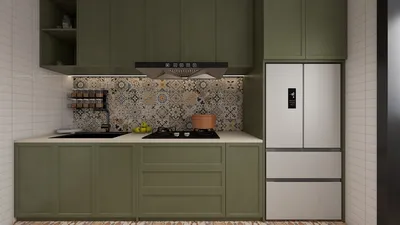


I once encountered a client who insisted on using leftover bathroom tiles for a kitchen countertop simply because they "matched the cat’s water bowl." In that moment, it was either laugh or cry — we chose to laugh, and I proceeded to present a more practical plan. Small environments often ignite substantial creativity, which is precisely why I am passionate about DIY countertop projects. For an inspiring real kitchen renovation example from my earlier experiences, you might want to check this real kitchen renovation.
1. Reclaimed Wood Countertops
I have a deep appreciation for the warmth and character of reclaimed wood. Transforming reclaimed pine or oak into butcher-block style surfaces can yield stunning results — they often look upscale yet are budget-friendly if you find local sourcing options. The benefit is immediate charm, coupled with straightforward DIY sanding and oiling; however, maintenance is key — wood surfaces require sealing and occasional sanding if they sustain minor damage.
Cost-saving tip: Opt for rough-cut reclaimed boards and use a planer, or seek out a local millworker who may charge less than those premium furniture stores.
save pin
2. Plywood with a Concrete Overlay
In various rental kitchens, where weight and cost are critical factors, I have successfully applied this method. Using a robust plywood foundation topped with a thin concrete layer replicates the look of poured concrete without the hefty weight demands. This approach is quite forgiving for DIY enthusiasts: it allows for tinting, stamping textures, or achieving a polished finish.
Important note: although concrete looks visually appealing, chipping can occur at the edges. Therefore, I always recommend reinforcing corners and ensuring proper sealing — typically, I advise applying two coats of a penetrating sealer followed by a high-gloss topcoat for kitchen applications.
save pin
3. Butcher Block for Budget-Friendly Options
Butcher block is my go-to choice when clients seek warmth and ease of installation. Pre-cut sections can easily be glued and fastened to plywood before trimming them to fit. It’s a quick solution that adds coziness and is also repairable — burns or stains can be sanded away followed by a fresh oil application.
One challenge involves the joints between sections, which can shift if not glued adequately. I often position these joints over cabinet rails for added stability. To ensure satisfaction, I recommend creating a mock-up layout; utilizing an interactive layout tool helps convey the plan to a hesitant homeowner, especially when using designs from tools like Homestyler.
save pin
4. Patterned Tile Countertops
Incorporating ceramic or porcelain tiles presents a fun opportunity to experiment with a variety of colors and designs. I once creatively utilized small encaustic-look tiles to cleverly conceal an awkward sink cutout, transforming it into a beautiful focal point. While tiles are water- and heat-resistant, regular grout maintenance is essential.
Creative tip: Employ bullnose or metal trim to finish tile edges for enhanced durability. Although this adds slightly more labor (such as cutting tiles and grouting), the customizable appearance is undoubtedly rewarding.
save pin
5. Laminate Makeovers with Customized Edges
Modern laminates have advanced significantly — you can now find sheets that imitate wood or stone that are easy to install over smooth substrates. By pairing these with metal or wooden edge trims, you can achieve a stylish, economical countertop that is stain-resistant and quick to replace.
Minor concern: laminate may delaminate at seams if exposed to water, so it’s vital to waterproof those seams and use silicone where the countertop meets the sink or backsplash. For demonstrating visual ideas and rapid prototypes, I frequently utilize an AI-driven kitchen mockup in Homestyler before commencing the physical installation.
save pin
FAQ
Q1: Which DIY countertop is the most budget-friendly?
My usual recommendation leans towards butcher block or quality laminate, as they strike the perfect balance between cost and finish. Both options are readily available and simpler to install compared to stone or poured concrete.
Q2: Is it possible to apply a concrete overlay over existing countertops?
In many cases, yes, provided that the substrate is solid and correctly prepared. It's essential to evaluate weight limits and adhere to the product's instructions for bonding and curing to prevent cracking.
Q3: How can I shield wood countertops from water damage?
Regularly seal them with food-safe oil and reapply as needed; in areas that experience heavy moisture, consider adding a waterproof polyurethane finish or a metal splash to protect those susceptible spots.
Q4: Are tiled countertops hygienic?
While the tiles themselves are hygienic and heat-resistant, the grout lines can trap dirt. Using epoxy grout and sealants can minimize staining and reduce bacteria growth.
Q5: What tools do I need for installing a DIY countertop?
Essential tools include a circular saw or jigsaw, orbital sander, clamps, adhesive, and silicone sealant. Specialty materials like concrete overlays may require specific tools such as trowels and a polishing kit.
Q6: How much time does a DIY countertop project typically require?
For smaller endeavors like laminate or butcher block installations, completion within a weekend is achievable; however, overlays and tiled surfaces may take several days due to curing and drying times for grout.
Q7: Are there safety issues associated with certain materials?
Certain resins or sealants can release VOCs during application. Always work in a ventilated area and opt for low-VOC or water-based products whenever feasible.
Q8: Where can I find comparisons of material durability?
You can find reliable summaries and testing results through sources like Consumer Reports, which evaluates countertop materials regarding stain resistance, heat endurance, and overall durability: https://www.consumerreports.org/cro/kitchen-countertops.htm
save pin
Homestyler is your go-to online home design platform! With its user-friendly design tool, stunning 3D renderings, and a wealth of DIY video tutorials, you can effortlessly create and visualize your dream spaces. Transform your home design ideas into reality with ease and inspiration!
Progetta ora GRATIS
































