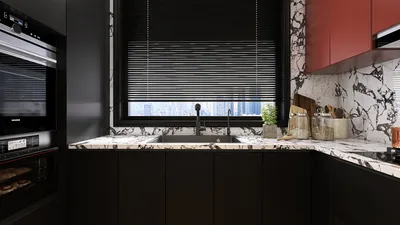


Over the years, I've crafted numerous compact tea pavilions, adhering to core principles: simplicity, proportion, and a profound appreciation for light and materials. Incorporating a DIY Japanese tea house kit can infuse these ideas into your garden or a spare room genuinely—provided you plan it purposefully from the beginning. The WELL Building Standard emphasizes that proper daylight and glare control significantly enhance comfort and decrease eye strain. WELL v2 advocates for managed luminance ratios and opportunities for views, which are essential for mental rejuvenation. Research from Steelcase connects restorative micro‑retreats with reduced cognitive load, further illustrating the importance of creating a tranquil corner in contemporary homes with tools like Homestyler.
Color and sensory experiences are just as crucial as craftsmanship. According to a color psychology overview by Verywell Mind, muted greens and warm neutrals foster tranquility, while vibrant reds can increase excitement—valuable insights when selecting tatami edging, the hue of shoji paper, and wall treatments. Gensler's workplace studies indicate that environments that encourage focus and rejuvenation lead to an increased perception of performance; in a tea house setting, this translates to optimizing acoustics, lighting, and minimizing visual clutter right from the start.
Establish Your Intent and Dimensions
Before selecting a kit, define its primary purpose: whether it's for a meditative tea ceremony (chanoyu), a reading nook, or a flexible space for yoga and quiet activities. Traditional chashitsu typically occupy compact spaces, often ranging from 2 to 4.5 tatami mats (approximately 1.8 m × 1.8 m to 2.7 m × 3.6 m). Smaller designs create a sense of intimacy, while a 4.5‑mat layout can accommodate two to three guests. If you're considering furniture or a tokonoma (display alcove), it's wise to sketch the flow first. A quick layout study with an interior planner can assist in visualizing door swings, tatami configurations, and tokonoma positioning using a straightforward room design tool like Homestyler.
Understanding Kit Components: What You Will Find
Most DIY tea house kits come as modular timber structures with shoji panels, translucent paper or acrylic inserts, and tatami or engineered rice-straw mats. Look for techniques like mortise-and-tenon or concealed fasteners (which ensure clean lines and fewer visible screws), utilizing cedar or hemlock for their light color and pleasant aroma, and replaceable shoji paper. If the kit includes a raised engawa (veranda), verify that the substructure is treated and has appropriate drainage and airflow.
Lighting, Glare Management, and Color Temperature
Serene, diffused light is ideal for tea rooms. My goal is to achieve ambient illumination of around 100-200 lux for a peaceful atmosphere, with task lighting reaching up to 300 lux at the tea prep area. The Illuminating Engineering Society suggests that residential ambient lighting typically falls within this range for calming, low-activity zones; incorporating a dimmable feature offers a gentle evening ambiance. It's best to keep the Correlated Color Temperature warm (2200–3000 K) to highlight the natural hues of wood and tatami. Additionally, ensure light sources are shielded to avoid glare on low tables and black lacquer utensils, utilizing indirect linear LEDs tucked behind beams or placed above a shoji transom as effective options.
Sound Comfort and Isolation
Silence is essential. While tatami naturally reduces footfall sounds, consider adding a thin cork underlayment beneath the mats if your base is plywood. Shoji are visually permeable and acoustically light; if you find yourself near traffic or in a noisy environment, implement a secondary, solid partition behind one shoji wall or use felt-lined panels within a closet-like space. Employ rugs at thresholds and weather stripping around sliding doors to minimize sound leakage while maintaining aesthetics.
Choosing Materials That Develop Character Over Time
Select hardwoods with tight grains and matte oil finishes—cedar, hemlock, or ash—to allow the wood to develop a rich patina. Use muted greens or charcoal for the tatami edges (heri) to maintain a serene color palette. In humid conditions, opt for laminated washi or acrylic shoji film to prevent sagging. It's advisable to use low-VOC finishes; WELL v2 recommends minimizing VOC content to enhance indoor air quality, especially valuable for smaller spaces. For the tokonoma, a single slab of light wood paired with a clay-based wall finish can add texture without visual clutter.
Considering Ergonomics and the Flow of Ritual
Even in a seated position, ergonomic principles apply. The seat height for a low chabudai (tea table) should be between 300-350 mm for optimal shoulder positioning and reach. Keep the tea set within a 400-500 mm reach from the main cushion. Pathways should be a clear 600 mm wide to accommodate comfortable kneeling and movement. If including a mizuya (prep area), its counter should be set at 650-700 mm for comfort during kneeling tasks, with concealed storage for utensils and tea supplies to maintain an uncluttered environment.
Ventilation, Safety, and Regulatory Considerations
If you plan to heat water inside the tea house, opt for an electric kettle instead of an open flame unless you have a compliant flue system. Ensure low-velocity cross ventilation is incorporated: a lower intake vent near the floor and a higher outlet near the roof will effectively dissipate steam without creating drafts. Electrical installations should be hidden within raceways; include tamper-resistant outlets and low-heat LED lighting. For outdoor constructions, elevate the structure on pavers or piers; establish a barrier to moisture between wood and concrete.
Step-By-Step Assembly Guide
- Site Preparation: Level the base; a slope of 0.5–1% away from the structure prevents splashback on the wood. Mark the tatami layout on the subfloor prior to framing.
- Frame Construction: Assemble the posts and beams without securing them initially to check for proper diagonals, then fasten. Pre-drilling for shoji tracks will maintain clean lines.
- Enclosure Assembly: Install shoji panels last to avoid any damage during construction. If your kit includes glass, ensure it is set in with neoprene gaskets to prevent noise.
- Interior Setup: Lay down tatami after the dust-producing tasks are complete. Hang the tokonoma scroll at seated eye level (approximately 900–1100 mm from the floor to the center), with low, asymmetrical floral arrangements to enhance the wabi-sabi aesthetic.
Natural Light Orientation and Landscape Design
Position the main shoji to capture gentle light from the east or north. Use bamboo screens or deciduous trees to mitigate the harsh afternoon light from the west. Incorporate an exterior gravel strip and a simple stone path to cultivate a meditative atmosphere as you approach the sliding door. If possible, consider elevating the pavilion with a narrow engawa to enrich the threshold experience.
Maintenance Practices
Rotate tatami mats every six months to ensure even usage. Annually reapply a breathable finish to the wood. Examine shoji paper for damages with the changing seasons; repair work is part of the upkeep and enhances the material's glow. Keep decorative items minimal—one scroll, one arrangement, one vessel—to maintain a serene visual landscape.
Financial Considerations and Value Assessment
Entry-level kits are relatively small and affordable, while custom-sized structures with an engawa and tokonoma features can be pricier. Don't forget to account for foundational work, replacements for shoji paper, and high-quality tools like a flush-cut saw, block plane, soft mallet, and a non-marring roller for shoji film. Investing in dimmable, high-CRI LED lighting is advisable, as it significantly improves the subtle greens of tatami and the warmth of cedar.
Rethinking the Layout
If your kit's dimensions necessitate adjustments for an irregular backyard space or a multipurpose guest room, virtually testing layout variations before finalizing is beneficial. Utilizing an efficient interior layout planner helps simulate tatami arrangements (ryurei vs. seiza seating) and sliding door placements, ensuring clearances and sightlines to the garden while assessing how light moves across the floor throughout the day.
Frequently Asked Questions
Q1: What dimensions should I select for my first tea house?
A1: A footprint of 2 to 3 tatami (approximately 1.8 m × 2.7 m) is perfect for solo sessions or accommodating one guest. This setup strikes a balance between intimacy and functional space while keeping structural expenses reasonable.
Q2: How bright should the tea house be?
A2: Target 100-200 lux for ambient lighting using warm 2200-3000 K LEDs with dimming capabilities. Provide 250-300 lux at the preparation area for safe pouring and utensil handling, matching calm residential lighting levels as per IES guidelines.
Q3: Should I choose shoji paper or acrylic inserts?
A3: Paper is the top choice for authentic light diffusion and sound quality. However, in humid environments or higher-traffic areas, laminated washi or acrylic shoji film offers durability while preserving a warm glow.
Q4: Can I keep a tea house outdoors year-round?
A4: Yes, provided the structure is elevated on piers or pavers allowing moisture breaks, uses weather-rated finishes, and includes appropriate ventilation. In snowy climates, ensure the design accounts for roof load and extends eaves to protect the shoji.
Q5: How can I control sound without heavy walls?
A5: Layer soft materials like tatami, thin cork underlayment, small rugs at the threshold, and felt-lined panels within storage areas. Use discreet weather stripping to seal door edges.
Q6: What color scheme is most effective?
A6: Opt for neutral, low-saturation colors—warm woods, clay whites, soft greens. Color psychology studies support these hues for their calming properties, perfect for meditative environments.
Q7: Can the tea house function as a workspace?
A7: Certainly. Incorporate a portable floor cushion providing lumbar support, a low table set at 300-350 mm, and glare-free task lighting. Conceal charging solutions within a floor grommet to maintain a tranquil appearance.
Q8: How do I integrate a tokonoma into a kit build?
A8: Allocate a recess of 600-900 mm wide for a slightly elevated or contrasting floor area. Keep the alcove free of clutter—one scroll and one seasonal display—to anchor the space without distractions.
Q9: Any safety suggestions for kettles?
A9: Use an electric kettle equipped with an auto shutoff feature, place it on a heat-resistant mat, and conceal cords within raceways. Ensure cross-ventilation is available to manage steam.
Q10: How often should I replace shoji paper?
A10: Expect to perform touch-ups annually in active households, with complete replacements every 3-5 years. Laminated washi maintains its diffused character through this cycle.
Q11: How should I allocate my budget?
A11: Approximately: 60-70% for the kit and structure, 10-15% for the base/foundation, 10% for lighting and electrical work, and 5-10% for finishes and tools. Set aside a small contingency for shoji maintenance and tatami rotation supplies.
Q12: Will I need permits?
A12: Some jurisdictions may exempt small, non-habitable pavilions, but it’s important to verify local codes relating to accessory structures, set-backs, and electrical installations. Any exterior gas or wood heating would require additional approvals.

XGEAR Camping Chair with Padded Hard Armrest
Fluted Sideboard Buffet Cabinet with Storage,

Tov Furniture Carmel Round Upholstered Chair (Velv
Looking to elevate your home design? Homestyler is the ultimate online platform for you! With its user-friendly design tool, stunning 3D renderings, a plethora of design projects, and helpful video tutorials, creating your dream space has never been easier. Unleash your creativity today!
Progetta ora GRATIS
































