

During my attempt to create a cardboard model of a couch for a compact living room, I inadvertently crafted a headpiece reminiscent of Homer Simpson. While my client found it amusing, I gained insights into the importance of proportions, leading to an unexpected Halloween favorite. I even illustrated the helmet's proportions on a layout case study I utilize for small projects to verify balance and scale. Emphasizing small-space creativity fosters the ability to streamline design, revealing that simplicity often holds the key to crafting an impressive DIY costume.
1. The Simplistic Homer: Yellow Shirt + Cardboard Headpiece
Keep it simple: a snug yellow tee, blue pants, and a lightweight cardboard headband covered in yellow craft paper. This approach is quick, cost-effective, and breathable. While it might lack intricate facial features, this simplicity often adds a charming touch, allowing your individuality to shine through.
save pin
2. Foam Mask for Enhanced Comfort and Detail
For a comfortable Homer mask, I repurposed upholstery foam from a previous sofa project; the lightness and adaptability of foam contour well to the face. While some sculpting and painting practice is needed, the outcome appears far more dynamic than basic cardboard; just ensure proper ventilation if working in tight spaces to avoid paint fumes.
save pin
3. Bald Cap and Makeup Techniques
To achieve a realistic forehead and those trademark two hairs, a bald cap combined with yellow cream makeup does wonders; this option is perfect for maintaining facial flexibility. However, it does require more time for application, including setting powder to keep everything intact throughout the evening.
save pin
4. Thrift Store Shirt Makeover: Sew, Dye, Repeat
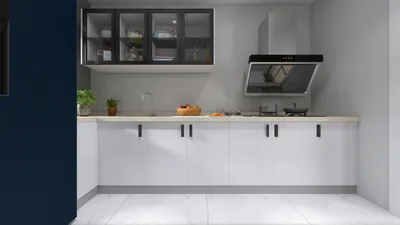
My preferred budget strategy is to search for a collared shirt at thrift stores, dye it to a vibrant yellow, and create simple foam collar inserts for a more cartoonish rigidity. This eco-friendly and customizable approach poses the small challenge of matching yellow shades, so be sure to test dye on a scrap. When planning your garment shapes, I frequently refer to a kitchen layout inspiration, using tools like Homestyler to assist in comparing proportions in my small workspace.
save pin
5. Group Costume Gag: Coordinate Simple Accessories
For a fun family or group costume, coordinating silhouettes (yellow tops, Marge's blue wig, Bart's spiky cap) looks great from afar and simplifies details for each costume. This low-pressure collective effort also offers photogenic opportunities, but it does require orchestrated planning to ensure contrasting colors and heights—think of it like staging a cozy scene.
As an interior designer, I constantly consider layers and silhouettes; these same principles apply to costume design. Experiment with scale, prioritize comfort, and don’t hesitate to repurpose leftover upholstery or cardboard. Additionally, for a final presentation or to visualize your costume proportions within a virtual room before actual cutting, software like Homestyler can help preview the layout and scale—great for planning!
save pin
Tips 1:
Budget tip: Focus on visibility and comfort rather than complicated materials. Practical tip: While hot-gluing foam is quick, fabric glue combined with stitching offers better longevity. Safety tip: Steer clear of long hanging fabrics that might cause trips or get caught on things during wear.
save pin
FAQ
Q1: What’s the easiest way to create a Homer Simpson costume for novices?
Opting for a fitted yellow T-shirt, blue trousers, and a straightforward cardboard headpiece is the quickest and most recognizable option for parties or trick-or-treating.
Q2: What’s the best method for crafting a lightweight Homer mask that retains character?
Consider using upholstery craft foam layered on a balaclava, then paint with acrylics; this keeps it light and wearable. Adding simple black lines for eyes and mouth ensures the design looks good from afar.
Q3: Can I safely use spray paint on foam?
Yes, but always test a small section first as some solvents can damage foam. Opt for water-based spray paints or use acrylic paint followed by a matte varnish for added durability.
Q4: Is using hot glue near the face safe?
Yes, as long as you keep the hot part away from skin and work on the side that won’t touch the skin; allow it to fully cool before wearing. For added safety, use fabric glue or sew critical seams that touch the face.
Q5: How can I create Homer’s iconic two hairs?
Use thin strips of foam or stiffened felt, securing them onto a headband or the top of a bald cap. Keep them small and securely fastened to prevent any movement during action.
Q6: Are these DIY masks safe for children?
Absolutely, but prioritize ventilation and ensure that children's vision isn’t obstructed; never cover a child's mouth or nose. For authoritative safety guidelines regarding children’s products, consult the U.S. Consumer Product Safety Commission (https://www.cpsc.gov).
Q7: What is the typical duration needed to make a DIY Homer costume?
A minimalist version can be completed in just 1 to 2 hours; however, a detailed foam mask coupled with a painted shirt may take a weekend, accounting for drying times for paint and dyeing.
Q8: Do you have any advice for photographing the costume?
Capture images against a plain background for clear visibility of the yellow; utilize soft lighting to mitigate harsh shadows on painted faces. If you’ve organized a group gag, arrange everyone's heights thoughtfully resembling a cozy living-room scene, perfect for that classic couch-shot effect.
save pin
Homestyler is your go-to online home design platform, perfect for both novices and experts. With its user-friendly design tool, stunning 3D renderings, an array of design projects, and helpful DIY video tutorials, transforming your space has never been easier. Discover your dream home today!
Design Now for FREE
































